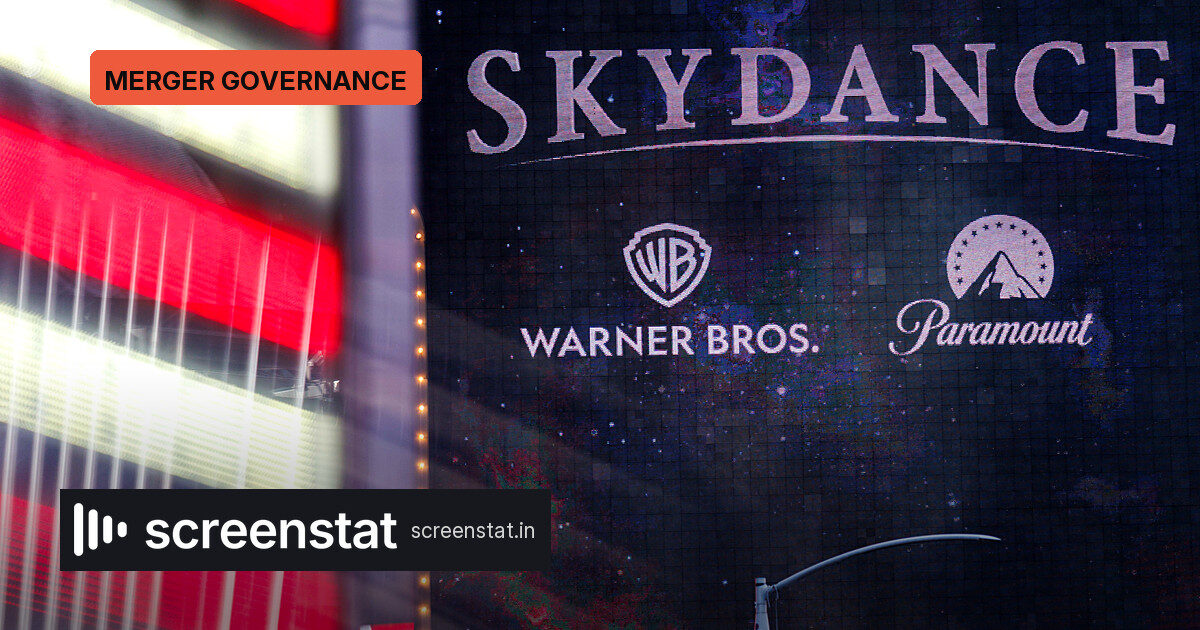
The company now called Skydance has its first board. David Ellison will lead the group as chairman and CEO, and the appointments are effective immediately. The announcement lands just as Paramount has been renamed Skydance after closing its merger with Warner Bros. Discovery.
The new names at the table
Laurene Powell Jobs and Bobby Kotick join as independent directors. Powell Jobs is founder and president of Emerson Collective, a media and philanthropy investor that holds majority stakes in The Atlantic and Anonymous Content. Kotick ran Activision for 32 years and navigated its $68.7 billion sale to Microsoft.
Co-CEO Ynon Kreiz, who joined Skydance last week, also takes a board seat. Former UK Prime Minister Tony Blair will serve as a board advisor in a personal capacity; his Tony Blair Institute for Global Change focuses on governance in the age of AI.
Ellison framed the additions as part of a larger ambition for the merged company. He said the new directors bring “the experience and fresh perspectives we need to build Skydance into an extraordinary company.”
- Laurene Powell Jobs — media ownership through Emerson Collective
- Bobby Kotick — games leader who sold Activision for $68.7bn
- Tony Blair — advisor on AI-era governance, not a director
- Ynon Kreiz — co-CEO, joined last week
A board built across media, gaming and capital
The wider board keeps several directors from the former Paramount board. Oracle’s Safra A. Catz, former Paramount Pictures chairman and CEO Sherry Lansing, and RedBird Capital Partners founder Gerry Cardinale are among the holdovers. That mix pulls in technology, Hollywood legacy and private capital.
Not every board appointment translates into a programming change. But an independent director is a deliberate signal: someone without an operating role who can push management and widen its perspective. Powell Jobs and Kotick are not paper appointments; they carry media ownership and games experience that Skydance may want as it decides what to do with a combined film, TV and streaming portfolio.
What media planners should watch
First boards after a merger often preview which assets get prioritised. A gaming veteran like Kotick points toward franchise management and interactive extensions. Powell Jobs’s media and journalism investments suggest a boardroom voice for narrative and news-adjacent ventures. Blair’s advisory role is less about content and more about AI policy and global positioning.
For buyers and partners, the practical move is to read the board as an early indicator, not a finished plan. The strategy still has to show up in deals, slates and distribution choices. Watch early statements from Ellison and the new directors for signs about whether the combined company leans further into global franchises, streaming consolidation or rights monetisation.
Don’t assume existing reporting lines survive unchanged. A new board can quickly re-cut studio portfolios or consolidate decision-makers. The names are a preview; the budget allocations will tell you what is real.
Source: Deadline