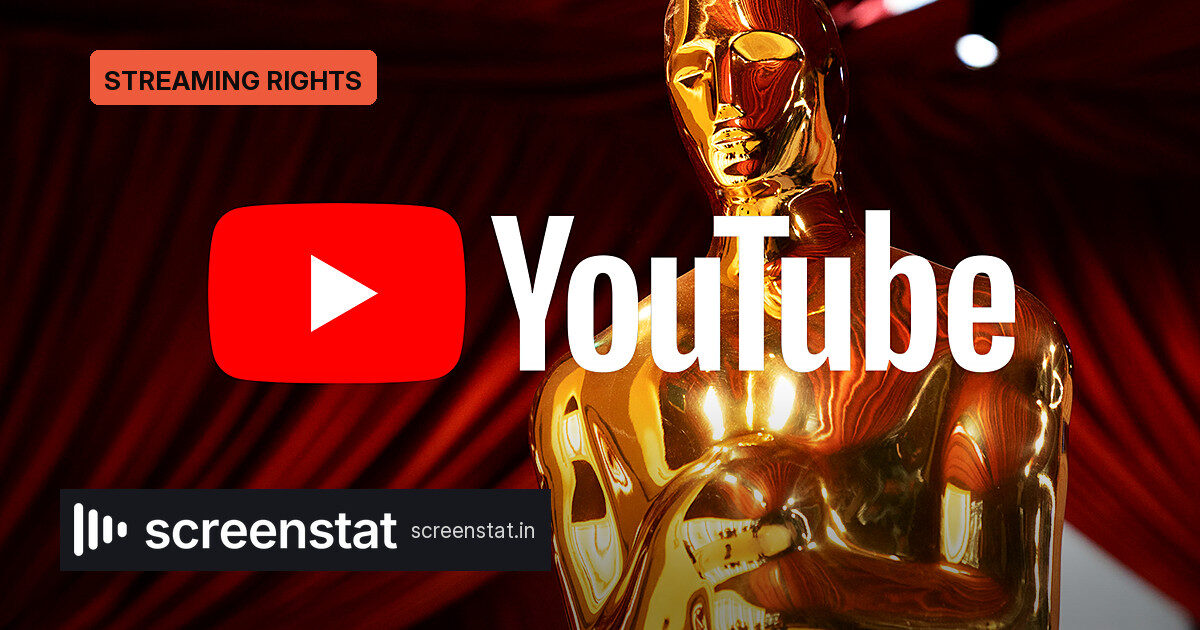
The Academy of Motion Picture Arts and Sciences is moving its biggest stage to YouTube, the platform where its next generation of viewers already spends time. From 2029, the Oscars will stream free on YouTube, ending ABC’s broadcast run. Speaking at a Deadline-moderated panel at the Zurich Summit, Academy CEO Bill Kramer framed the move as a forward bet: “It almost feels risky to not do it because we’re looking at the future.”
One global feed, not a regional edit
The shift changes the product, not just the distributor. Kramer said the ceremony will be free worldwide in more than 30 languages, and markets that currently see a reduced Oscars telecast will receive the same full show at the same time. The Academy is also planning a more interactive and deeper viewing experience with YouTube, though Kramer did not detail the specific features.
Deadline understands the rights deal is comfortably into the nine figures. Kramer would not give a number on stage but called it “a very good deal.” ABC had been back in for the rights, and Netflix was also in the mix, which makes the platform choice a strategic call rather than a default option.
YouTube fandom is already travelling to cinemas
Kramer tied the move to a theatrical trend: YouTube-native filmmakers are pulling younger audiences into cinemas. On the same panel, he credited Kane Parsons, director of Backrooms, and Curry Barker of Obsession. Backrooms took a reported $400M at the box office from a $10M budget.
Kramer also pointed to the Academy Museum, where classic and repertory screenings sell out and more than half of ticket buyers are under 40. The takeaway, as he framed it, is not that young audiences abandoned theatres, but that they needed new entry points.
Parsons, 20, pushed back on the idea that his generation only wants short-form. “I feel like this sentiment is weaponized,” he said, adding that many young viewers still want the closed room of a cinema and the removal of outside interference.
- Backrooms: $400M global box office from a $10M budget.
- Academy Museum rep screenings: more than half of ticket buyers are under 40.
- Oscars 2029: free on YouTube, over 30 languages, one simultaneous global feed.
- Deal value: comfortably into nine figures, per Deadline’s understanding.
What media planners should watch
More people already watch the Oscars outside the US than inside, according to Kramer, so the growth logic is no longer a regional edit or a paywalled broadcast. A simultaneous global feed on YouTube gives the Academy one audience, one telecast and measurable platform engagement.
For entertainment marketers, three signals stand out. First, treat YouTube-native IP as a leading indicator of theatrical demand rather than just an online trend. Second, plan live-event budgets around global simultaneity and interactivity, not broadcast hierarchy alone. Third, ask for platform engagement metrics early in sponsorship discussions, because the 2029 show is likely to create new interactive inventory.
The Academy’s bet is that the biggest film brand can trade linear reach for platform reach and keep its cultural weight. If the 2029 telecast grows global viewing and participation, it becomes the template for other major live events chasing the same under-40 audience.
Source: Deadline