Weta FX, the New Zealand visual effects house behind “The Lord of the Rings” and “Avatar,” is partnering with Taiwan Creative Content Agency (TAICCA) to turn Taiwan into an AI-driven screen production hub for Asia. The partnership will be formally launched on Nov. 6 at Taiwan Creative Content Fest (TCCF) in Taipei, with specifics announced on the festival’s main stage after the opening ceremony.
What the partnership covers
The pact has three workstreams: joint investment, AI research and development, and training new talent. On stage will be TAICCA chair Sue Wang alongside three Weta FX executives: CEO Daniel Seah, chief technology officer Kimball Thurston and VFX supervisor Sheldon Stopsack. Financial and operational details are being held for the launch.
Why this pairing
TAICCA, set up by Taiwan’s Ministry of Culture in 2019, already backs Taiwanese content across development, production, distribution and overseas marketing in film, TV, animation, publishing, comics, music, gaming and the performing arts. Weta FX contributes deep visual effects craft, a run of global productions and an international client network. For Seah, the deal has a personal angle: he grew up in Taiwan, and the studio has been building ties there, including an appearance at the Taoyuan International Film & Technology Forum in August.
- Weta FX has won eight Oscars for visual effects, 17 Academy Science & Technology Awards, eight BAFTAs and five Emmys.
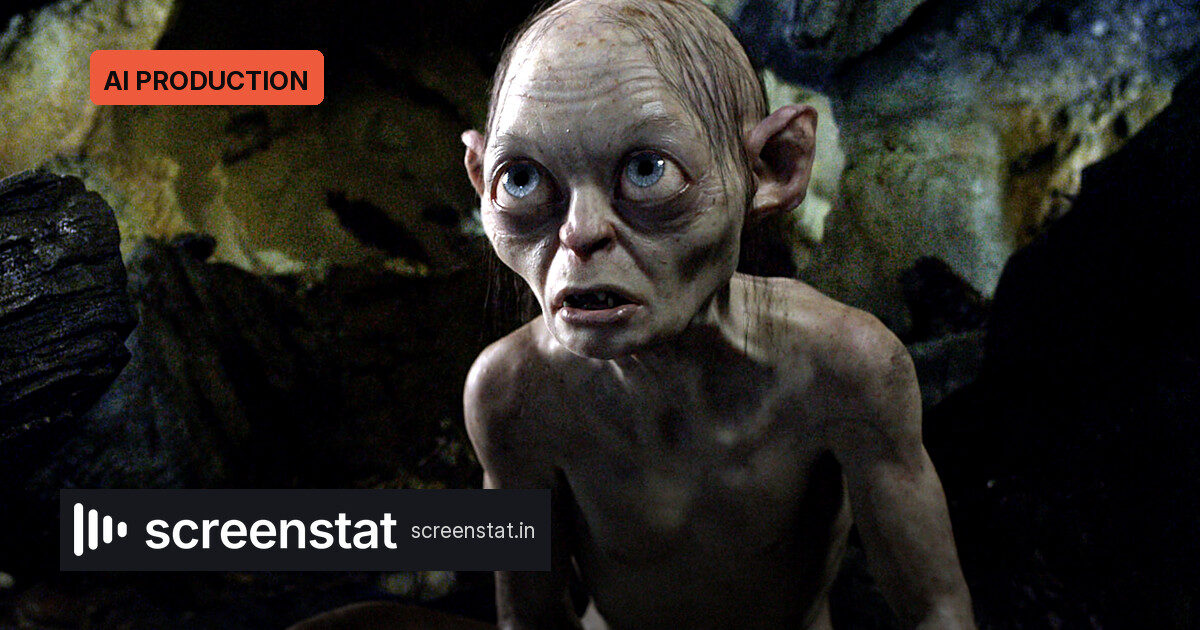
- Current Weta FX projects include “The Lord of the Rings: The Hunt for Gollum,” “Avengers: Doomsday” and “Children of Blood and Bone.”
- TAICCA’s brief spans film, TV, animation, publishing, comics, music, gaming and performing arts.
The business read
For screen industry professionals, the partnership matters because AI is moving from a post-production experiment into a pipeline question. A Taiwan hub could plug local technologists and creatives into international VFX and virtual production work while giving Weta FX another base near Asia’s expanding streamer and studio demand. The combination of joint investment and R&D suggests this is intended to put money behind tools and people, not just headlines.
The meaningful test is what the launch actually commits to. Watch whether the investment arm names budgets or projects, whether training produces credited production work, and whether AI research yields tools that Taiwanese and regional productions can reuse.
Source: Variety