A film finished 10 days before its premiere
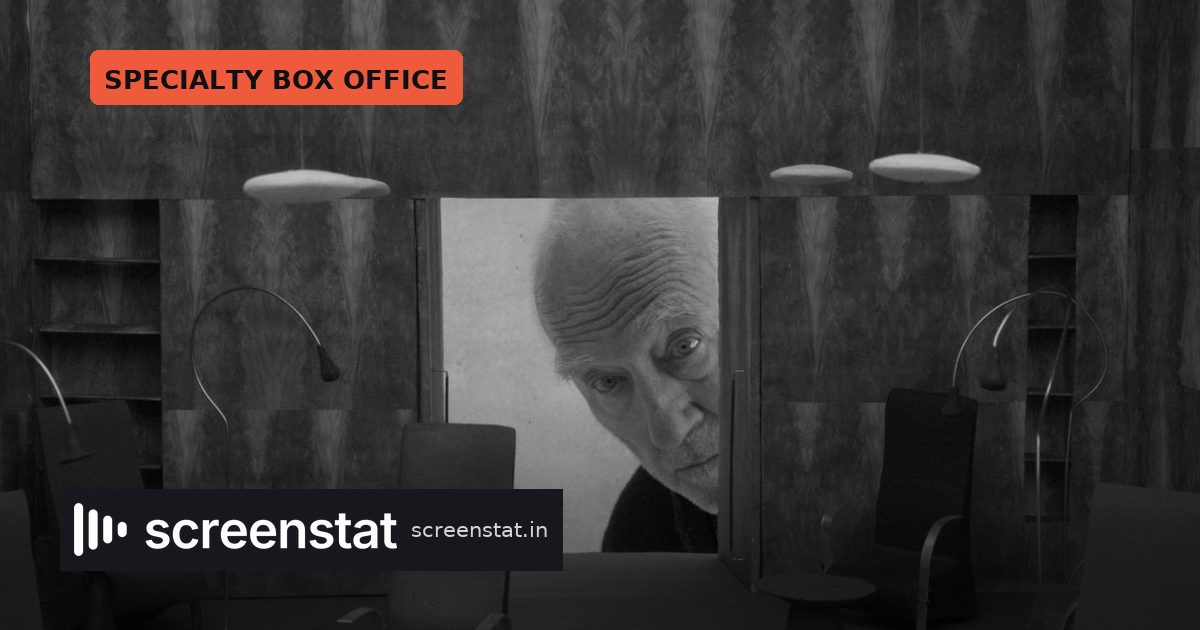
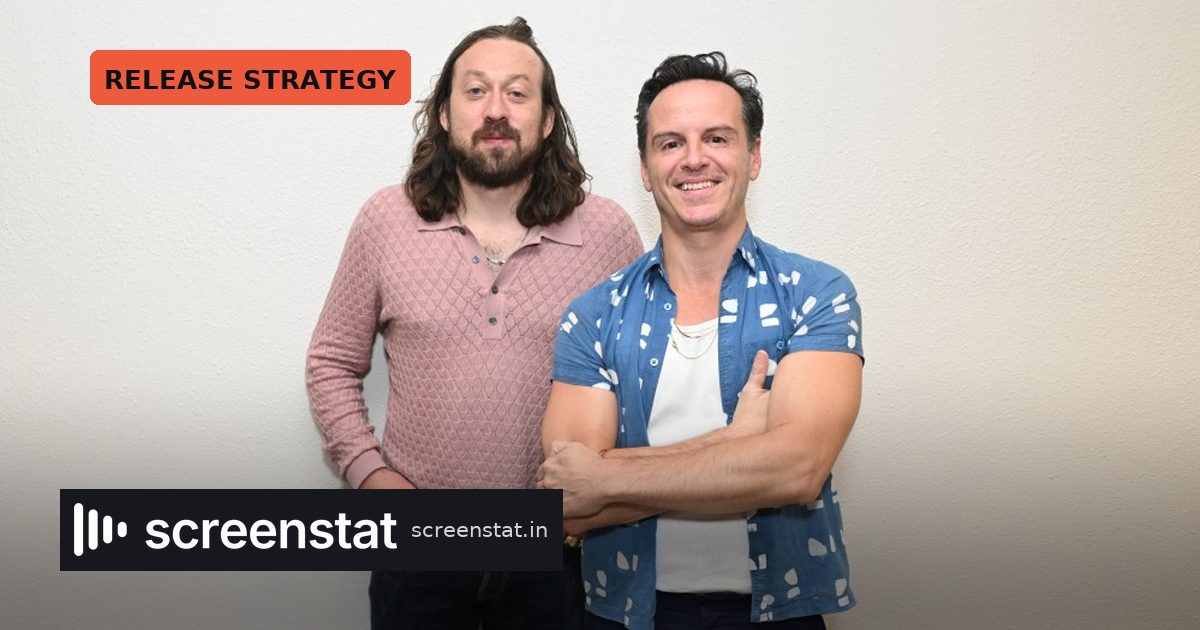
Simon Stone’s Elsinore, starring Andrew Scott, premiered at the 2026 Telluride Film Festival roughly a week and a half after post-production wrapped. Stone told Variety the picture was finished on the Wednesday before the Labor Day weekend festival, and that by the time it reaches cinemas in November it will be about 10 months from the shoot. His word for that turnaround: “lightning.”
The film dramatises the true story of British actor Ian Charleson, best known for Chariots of Fire, who died in 1990 during the peak of the AIDS crisis after willing himself through a run as Hamlet at the National Theatre. Stephen Beresford wrote the script. Stone had directed Hamlet on stage; Scott had played it. Focus Features, according to Stone, had an unfilled slot in its fall slate and moved.
Why the calendar matters more than the reviews
For anyone who plans release dates or buys media around them, the interesting number here is not a box office figure — there isn’t one yet — it is the 10-month gap between camera and cinema. Prestige titles aimed at awards season typically sit for 12 to 24 months: festival circuit, buyer courtship, platform release, campaign build. Elsinore compressed all of that because the distributor already owned the slot and, in Stone’s telling, saw a lead performance that was “undeniable” for awards consideration.
That inverts the usual sequence. Instead of a festival creating demand that a distributor then schedules around, an open date on the fall calendar pulled the film forward and set the festival deadline. It is a reminder that in the current theatrical market, availability of a good release window is itself a scarce asset — arguably scarcer than good films.
The theatrical argument, made by the film itself
Stone framed the film as built for cinemas, calling it “specially made as an advocate for the theater-going experience” — a movie about the value of sitting in a room with strangers, sold to studios that still believe in that room. He described a strong emotional response at the Telluride screening and an ovation in the lobby after the credits.
That is a specific commercial proposition, and one worth watching for adult-skewing releases everywhere, India included:
- Word of mouth as the media plan. Films built on catharsis convert on recommendation, not trailer frequency. Spend follows the second week, not the first.
- Compressed campaigns are now viable. A 10-month shoot-to-screen cycle means less time for a slow-burn awards narrative and more reliance on a single performance hook — here, Scott.
- Subject matter as context, not category. Stone argued the AIDS era functions as setting rather than sole theme, contrasting it with Philadelphia, where the illness had to be the only topic. That widens the addressable audience for a film that would once have been marketed as an issue picture.
How the Hamlet scenes were built
The production detail is unusual enough to note. Stone says he directed the in-film stage production live in the rehearsal room, with Johnny Flynn playing a director on camera while Stone fed him lines moments before rolling. Scott, he says, was genuinely improvising staging choices on the day. Several of Charleson’s real friends appear in the film, and Stone said he wanted theatre shown “as a crucible, as a shelter, as a safe place” rather than as performative excess.
What to watch next
Two markers will tell you whether the gamble worked. First, whether Focus goes wide quickly or platforms in limited release to protect per-screen averages through awards voting. Second, whether Scott’s campaign holds through a shorter runway than most best actor contenders get. If a 10-month cycle can produce a nominated performance and a profitable adult drama, expect more distributors to treat empty fall dates as a reason to accelerate rather than wait.
Source: Variety