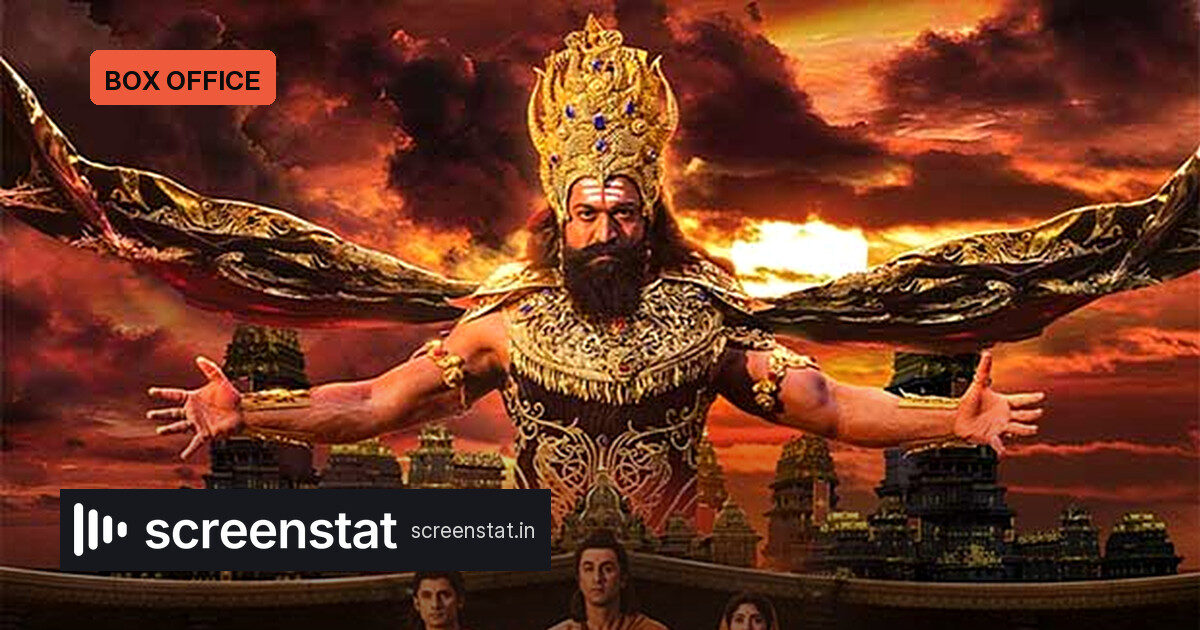
Nitesh Tiwari’s Ramayana: Part One is shaping up as a rare test of whether a Hindi film can pull grandparents, parents and Gen Z into the same theatre. The cast is built for scale: Ranbir Kapoor as Lord Rama, Sai Pallavi as Sita and Yash as Ravana. The story is familiar across generations, and the release is timed just before Diwali. The commercial question is less about whether it opens well and more about whether families can afford to show up together.
The family audience does not behave like an opening-day fanbase
Action spectacles generate early demand from younger ticket buyers. Family turnout works differently. It needs coordination: show timings, travel, senior citizens’ comfort and tickets for children. That means family-driven collections often arrive over weekends and holidays rather than in the first few hours.
Ramayana could benefit from this because different generations may have different reasons to watch: emotional connection for grandparents, memory of earlier adaptations for parents, and star power and visual scale for younger viewers.
Diwali timing cuts both ways
The pre-Diwali launch gives the film a window when families are already planning outings. But pre-festival days also bring shopping, travel and preparation commitments, so opening-day numbers may understate the film’s eventual reach. The holiday-period hold will be the better signal.
₹3,170 seats turn a family outing into a budget decision
Premium-format pricing is the clearest obstacle. A single top-tier seat at ₹3,170 means a family of four pays ₹12,680 before food, beverages, parking or transport. Even at ₹500 a ticket, the same family spends ₹2,000. That spread matters because a genuine family blockbuster needs standard-screen access, not just high-value formats.
- Family turnout accrues over the holiday stretch, not opening morning.
- High premium prices can lift revenue while capping the number of tickets sold.
- Tier 2 and Tier 3 markets will show whether the appeal is truly broad.
Footfalls are the metric to watch
Gross collections can rise even when attendance does not. For this film, footfalls reveal more than revenue: they show how many families, across city tiers and screen formats, actually turned up. Consider two paths. A film can post strong revenue by selling expensive seats to fewer people, or it can reach more viewers and build a longer tail through moderate pricing. Ramayana’s first two weeks will show which logic is driving the film.
Repeat viewing and word of mouth will decide whether it becomes a defining multi-generational event, and that depends on emotional accessibility: simple enough for children, substantial enough for adults. If Ramayana delivers, it could remind Bollywood that the biggest blockbuster is sometimes the film that gives a family a reason to return to the cinema together. If premium pricing dominates, the industry may learn a different lesson: a culturally universal film can still be financially narrow.
Source: bollywoodHungama.com