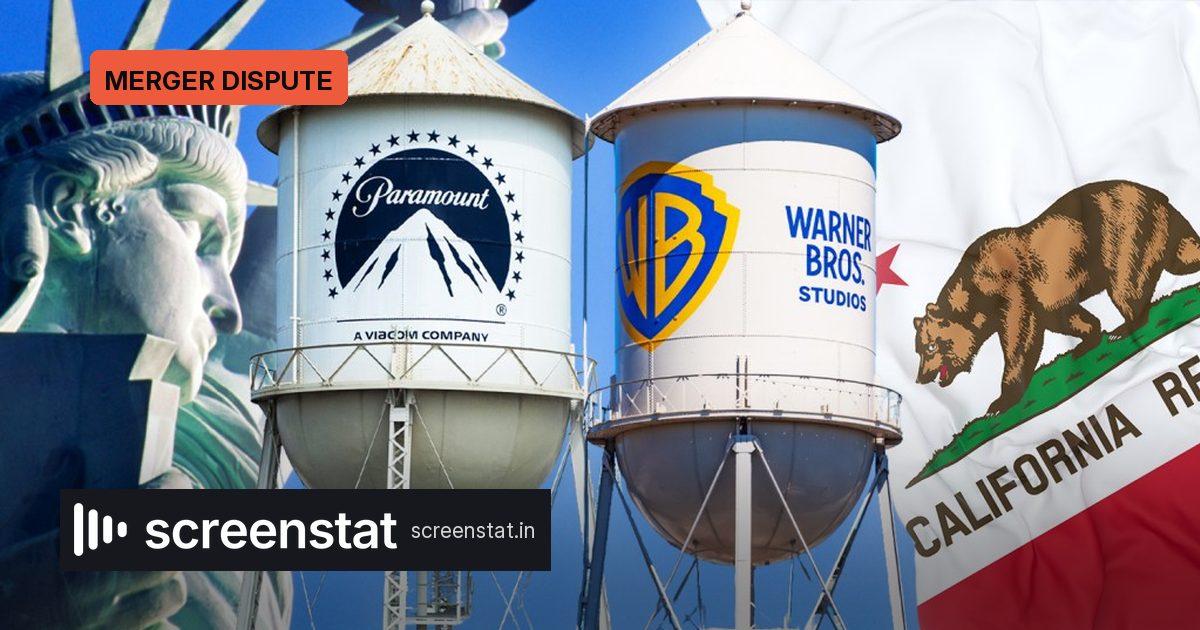
A late-stage fight over the Paramount–Warner Bros. Discovery merger has landed in federal court just as the transaction approaches its closing deadline.
What the coalition is asking
The Block the Merger Coalition asked U.S. District Judge Araceli Martinez-Olguin to set a briefing schedule so it can formally object to the settlement reached by state attorneys general. The judge has already scheduled a hearing on the proposed consent decree for Thursday morning.
The coalition includes the Committee for the First Amendment, Free Press, the Freedom of the Press Foundation, the Future Film Coalition and the International Documentary Association. In a legal filing, it said there are “serious questions” about whether the decree will extinguish potential claims from citizens of the plaintiff states.
- The commitment to release at least 30 films per year may let the combined company make fewer films than the two studios made separately last year.
- Separate carriage negotiations for cable channels may be “commercially unworkable.”
- An editorial oversight board raises First Amendment concerns if the court is left to manage implementation.
- A force majeure clause could allow Paramount to suspend the decree after a disaster, labor disruption or recession, making promises potentially “illusory.”
For film exhibitors and distribution teams, the 30-film promise is the most concrete clause. A floor is meant to protect theatrical output, but the coalition argues it could still produce a lower combined slate than the two companies managed separately in the prior year. That distinction matters for release calendar planning and film-marketing inventory.
Carriage language also matters beyond the courtroom. If separate negotiations for cable channels are commercially unworkable, the decree may create friction for distributors and operators who need predictable channel agreements.
Timing collides with the close deadline
The coalition proposed a briefing schedule running through October 13. That is beyond the start-of-month deadline by which Paramount must close or pay Warner Bros. Discovery $7 million per day.
Until the judge rules, the deal carries a visible cost. The $7 million per day payment to Warner Bros. Discovery is not a theoretical figure; it attaches to the period after the close deadline if Paramount has not completed the transaction.
Paramount called the proposed briefs “improper” and argued the groups lack standing. Its legal team said extra briefing would delay a closing “approved by every regulator and agency” and force “tens (if not hundreds) of millions of dollars of payments.”
Why the fight matters
For media planners and streaming buyers, the dispute is not just a legal footnote. Delay would keep uncertainty alive over Paramount’s slate, streaming output and carriage relationships. The 30-film floor, the carriage structure and the force majeure clause all sit close to decisions about inventory, release windows and content budgets.
A consent decree is not a routine sign-off. If objectors are allowed to brief, it becomes a live test of whether the settlement’s commitments are strong enough to survive outside scrutiny while the meter is running.
The Thursday hearing will signal whether the settlement can close on schedule or whether antitrust and First Amendment objections get a longer runway.
Source: Deadline