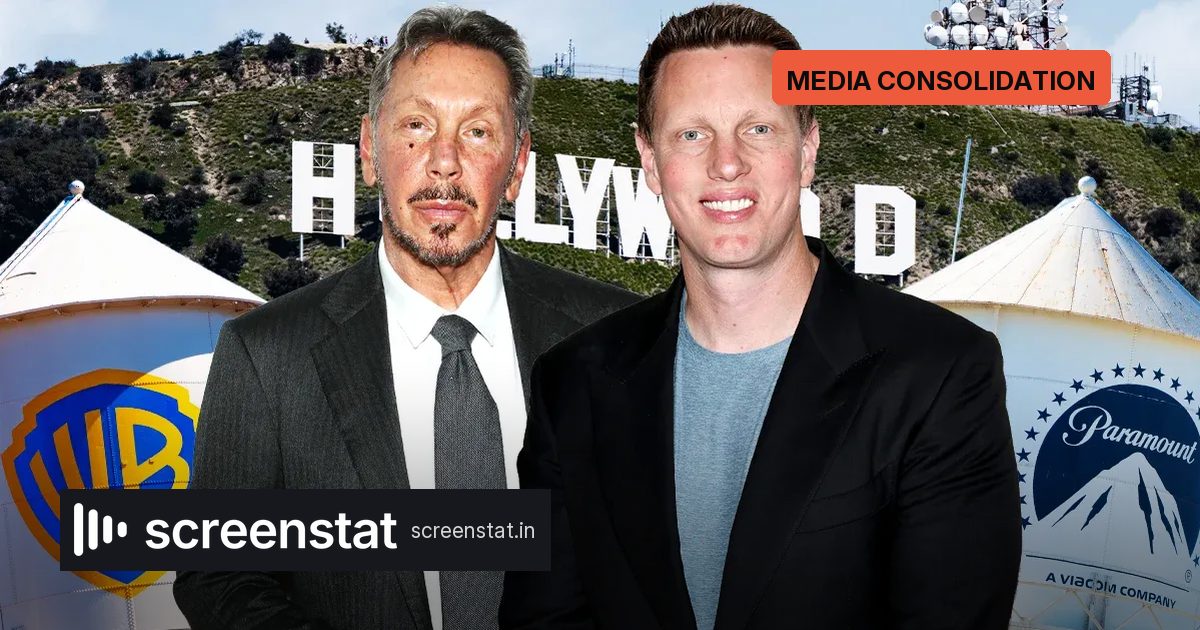
Paramount’s path to closing its $111 billion Warner Bros. Discovery merger is clearer after Monday’s antitrust settlements, but the market is now pricing the cost of delay. Paramount shares gave up an early 10% gain and closed lower, while WBD shares jumped 11%.
Two-week delay triggers a daily matter
Paramount CEO David Ellison told staff the final step would take about two weeks. That timeline matters because Paramount owes WBD shareholders a ticking fee of roughly $7 million per day for every day past Oct. 1 that the transaction remains unclosed.
The arithmetic is uncomfortable: if the deal were pushed to a March 2027 trial date, the fee could accumulate at about $650 million per quarter against a company worth roughly $11 billion.
Behavioral remedies, not structural sell-offs
The settlements include commitments to U.S. production and CNN editorial independence, along with a possible forced sale of what TD Cowen analyst Doug Creutz called “the inconsequential Miramax stake.” These are behavioral remedies, not asset sales or structural carve-outs.
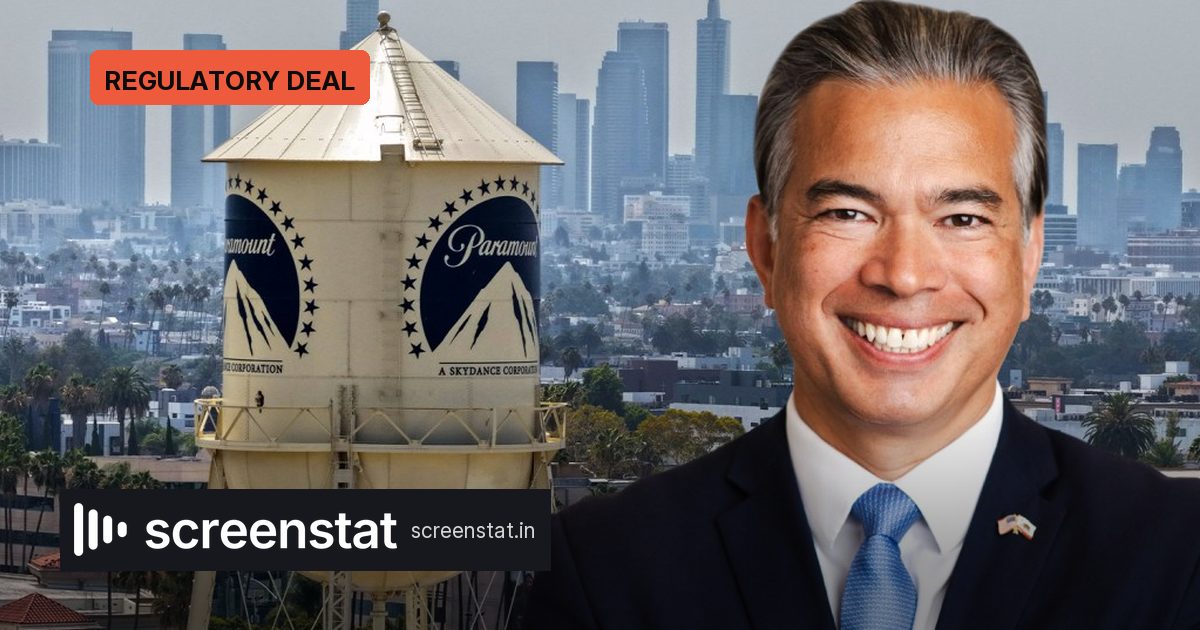
That distinction is why deal watchers called the terms favorable to Paramount. Lightshed Partners’ Rich Greenfield described it as a “huge win” and “slam dunk win” for Ellison and Paramount, arguing that refusing to cede structural remedies was decisive.
- Merger value: $111 billion, with a two-week completion estimate.
- Delay cost: About $7 million per day after Oct. 1, or roughly $650 million per quarter.
- Remedy type: Behavioral commitments on production and CNN; no major asset divestitures.
- Stock reaction: WBD up 11%; Paramount closed at $9.91, its lowest in a month.
Why it matters for the screen business
For media planners and entertainment finance teams, the settlement is a reminder that regulatory wins can still carry cash-flow risk. Paramount’s ticking fee is effectively a carrying cost that could flow to WBD shareholders if closing slips.
Not everyone sees the result as benign. Former FTC commissioner Alvaro Bedoya argued the outcome will reduce competitive checks, lead to layoffs, and raise costs for consumers, adding that Saudi Arabia’s sovereign wealth fund will co-own outlets. Wharton professor Paul Nary framed the practical question for merger watchers: “Just how bad did Bonta think his position was?”
The two-week window is the next data point. If closing slips past early October, the daily meter becomes a material line item for a company Paramount’s size.
Source: Deadline