
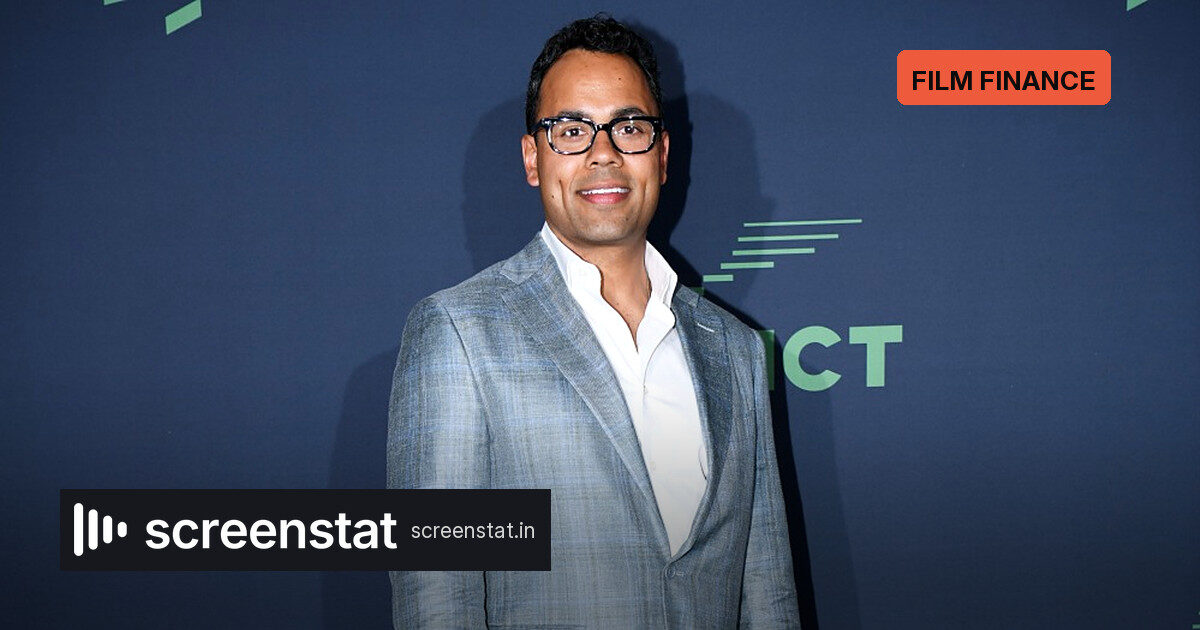
Italy’s fragmented indie production market has a new liquidity backstop. At Rome’s MIA Market on Tuesday, Raj Singh, CEO of Media Capital Technologies, and RP1 Holding, an Italian alternative-finance group, launched the One Media Capital Fund, a €100 million ($112 million) vehicle to finance audiovisual production and distribution in Italy.
What the fund will finance
The vehicle is aimed at Italian and international film and TV producers that shoot in Italy. It will fund operations, development and growth planning, and will also provide cash-flow financing to Italian film distribution companies. The positioning is deliberately complementary: not a replacement for bank credit, but a specialised layer tailored to how production companies actually spend and get paid.
RP1 Holding, led by former Wildside CFO Mauro Martani, brings a track record that includes support for Conclave, Emily in Paris, House of Gucci and The Equalizer 3. Martani framed the fund as a financing product built from firsthand knowledge of the sector rather than a generalist credit line.
The cash-flow gap it targets
Italy’s TV producers association APA estimates the value of Italian content production at more than €2.24 billion ($2.5 billion) annually. Yet the sector is fragmented, and many production companies cannot wait for deferred tax credits and regional soft-money rebates to arrive. The fund says that imbalance limits competitiveness and scale.
The fund’s pitch is structural: provide liquidity when public incentives have not yet landed, and free up resources for new investment.
- €100 million fund for production and distribution in Italy
- Targets Italian and international companies shooting in Italy
- Backing from RP1 Holding, whose credits include Conclave and House of Gucci
- Gap bridging deferred tax credits and regional soft money
Why this matters beyond Italy
For media planners and entertainment marketers, a dedicated liquidity vehicle changes the practical economics of a production hub. If financing is predictable, Italian shoots become easier to schedule, local distribution cash flow becomes steadier, and international producers may treat Italy as a more reliable co-production market.
It also sharpens a broader lesson: in markets where incentives are generous but slow, the scarcity is not always money—it is timing.
What to watch next
The test will be whether the fund’s terms are competitive enough to change behaviour among indies that have long leaned on traditional bank credit and delayed collections. If it succeeds, it could become a template for similar vehicles in other production markets with deferred public incentives.
Source: Variety