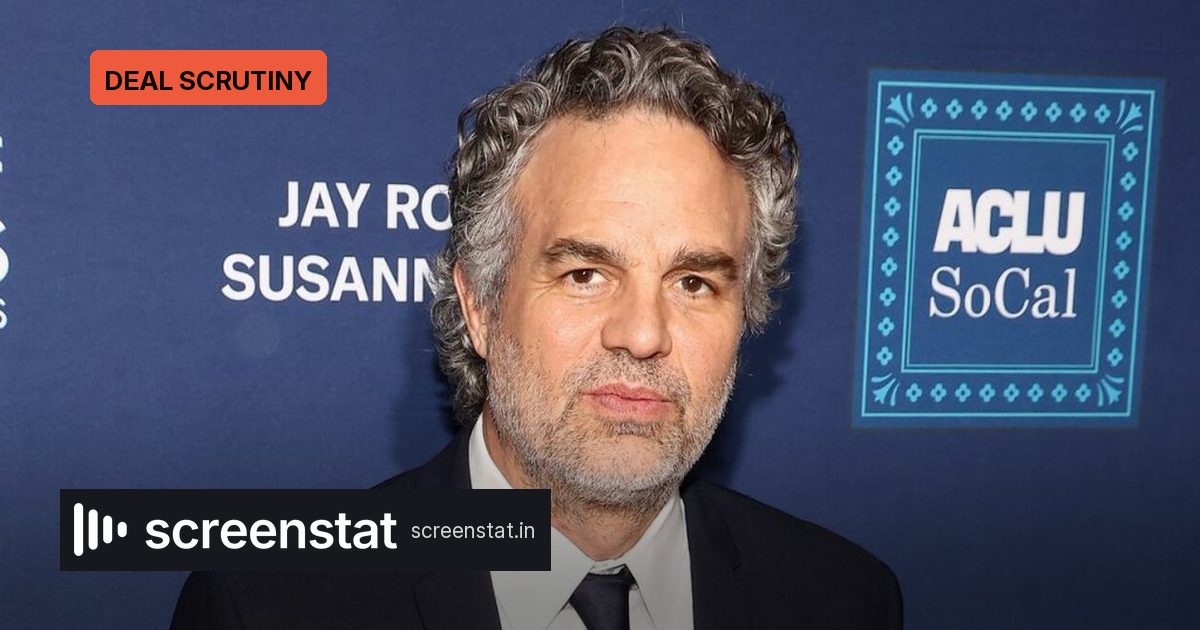
Mark Ruffalo is turning up the pressure on California Attorney General Rob Bonta as state attorneys general meet with Paramount over a possible settlement in the Warner Bros. Discovery merger. His message is blunt: reject the deal rather than negotiate concessions.
The public call
In a Saturday post on X, Ruffalo told Bonta not to cave and pointed to 5,670 filmmakers who he said had put their necks on the line against the merger. He also said more than 75,000 people signed a Block the Merger petition in three weeks.
Ruffalo raised the stakes by calling for supporters to show up outside Bonta’s Oakland office at 5 p.m. to oppose what he described as a backroom deal.
What’s on the table
The Paramount-Warner Bros. Discovery combination is scheduled for a federal antitrust trial on March 2, 2027. Settlement talks involving the state AGs could produce conditions attached to the deal, or fail to stop it, depending on the terms.
For streaming and entertainment buyers, the regulatory fight matters well beyond Hollywood. Any settlement would help define how much market power a combined studio and streaming operator can hold, and what licensing or distribution remedies regulators are willing to accept.
The pressure points
- Ruffalo claims 5,670 filmmakers have opposed the merger.
- More than 75,000 people signed an opposition petition in three weeks, according to Block the Merger.
- Opponents include Bryan Cranston, Jane Fonda, Denis Villeneuve and Sofia Coppola.
- California’s AG office did not respond to Deadline’s request for comment after talks leaked late Friday.
- The federal antitrust trial is set for March 2, 2027.
Why rejection, not settlement
Block the Merger’s position is that no concessions should be accepted. In a statement, the group said AG Bonta and other state attorneys general should fully block the merger with no concessions, adding, “We know a bad deal when we see one.”
The group also said national leaders such as Elizabeth Warren have joined the opposition. That broadens the issue from a Hollywood labor dispute into a wider political signal about media consolidation.
The weekend talks put Bonta in a difficult position: the California AG is leading the negotiations while facing direct public pressure from prominent industry figures. Any settlement could still leave the deal open to court scrutiny, and opponents are already framing it as a retreat.
The deal-signal framework
Media mergers tend to follow a pattern: talent opposition raises public salience, regulator negotiations test structural remedies, and markets watch for leaks before formal filings. Here, the volume of signatories matters less as a legal argument than as a political pressure gauge. If the AGs settle, any terms could become a reference point for future streaming consolidation; if they reject, it signals a harder line on vertical studio-platform combinations.
For distribution and ad-sales teams, the watch item is whether any settlement carves out licensing windows, platform-neutral access or content-supply commitments. Those details are where the business impact will show up long before subscriber numbers move.
Source: Deadline