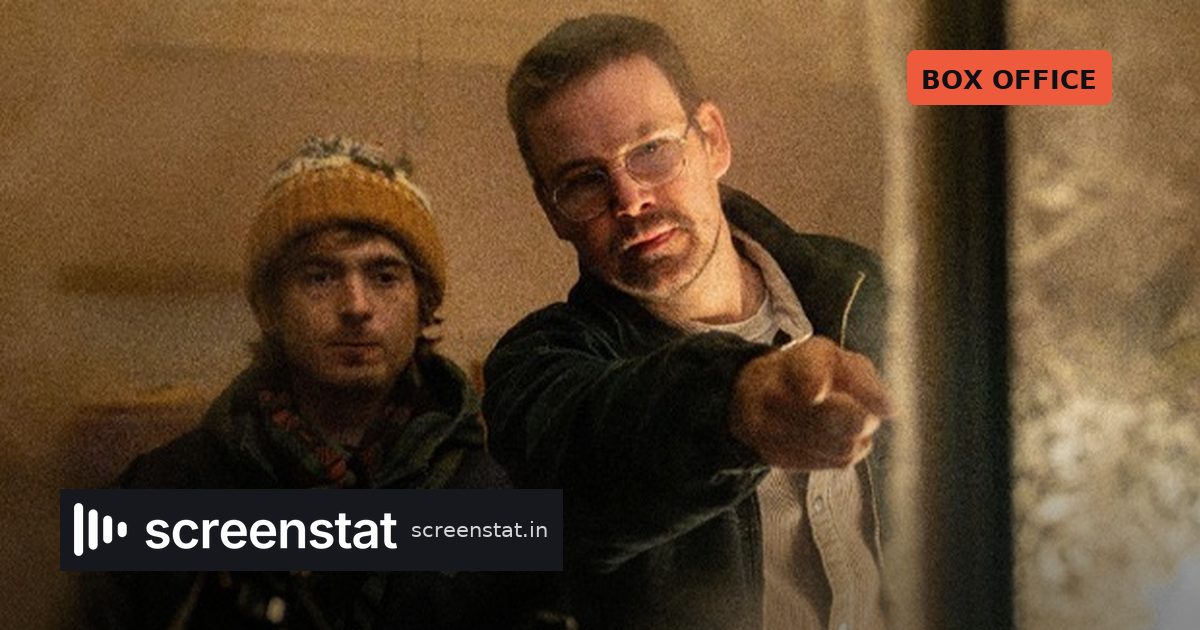
Zach Cregger has a set story to sell, and it is a good one. The director of the new Resident Evil film says lead actor Austin Abrams came within a step of a fatal accident while shooting a street-level action sequence built on real explosions rather than visual effects.
Speaking at a recent Q&A, as reported by Deadline and carried by BollywoodHungama, Cregger described a sequence in which Abrams runs down a Raccoon City street while zombies leap from rooftops on both sides. To sell it, the crew dropped 150-lb “body-sized blood bags” from cranes around the actor as he ran. One landed close enough that, in Cregger’s telling, “if he had been one step to the right, he would’ve died.” The shot stayed in the film.
The number that matters is not 150 lbs
For a stunt anecdote, the operative figures for the trade are these: a September 18 theatrical release, and an India rollout in English, Hindi, Tamil and Telugu. That four-language spread tells you how the distributor is reading the title — not as a niche horror import, but as a wide-release event with South India built into the plan rather than treated as an afterthought.
Abrams plays Bryan, a medical courier who ends up in Raccoon City on a night that turns violent. Cregger, coming off Weapons and Barbarian, is directing an original story set inside the Resident Evil universe rather than a straight adaptation of any single game.
Why practical effects are a marketing line item
Cregger’s stated reason for avoiding VFX was blunt: he felt it would simply look like VFX. That instinct is now a commercial position, not just an aesthetic one. Audiences have become fluent in spotting digital compositing, and “we did it for real” has hardened into a reliable pre-release talking point across action and horror.
The business logic works on three levels:
- Earned media. A near-miss story generates coverage that no trailer placement buys. This item travelled from a Q&A to a trade to an Indian entertainment site inside a news cycle.
- Credibility with genre audiences. Horror opens on first-weekend belief. Practical-effects claims signal craft to the exact cohort that decides opening-day occupancy.
- Rewatch and clip value. Set-piece sequences with real detonations travel as social clips, which extends the tail into the streaming window.
The framework: IP + auteur + genre economics
Horror remains the most efficient genre on a cost-to-return basis, which is why studios keep pairing recognisable IP with directors who have small-budget credibility. Cregger fits that template. Resident Evil supplies the awareness; the filmmaker supplies the reason for people who have never held a controller to buy a ticket.
For planners in India, the four-language release means the campaign has to run on at least two tracks — a game-literate metro English audience that already knows Raccoon City, and a broader dubbed audience that needs the survival-thriller premise sold plainly. Horror also over-indexes on late-night and weekend shows, which shapes how screen time and ad slots should be allocated across the first ten days.
What to watch
Three things will tell you whether this works: the split between original-language and dubbed admissions in week one, how much of the opening comes from Tamil and Telugu markets, and whether the practical-effects narrative sustains word of mouth past the first weekend. Video-game IP has a long history of strong openings followed by steep second-week drops. If this one holds, the credit will belong less to the brand than to the filmmaker attached to it.
Cregger, for his part, framed the shoot as a team achievement and said he grew as a filmmaker on it. That is the kind of line that plays well in a press cycle. The box office will decide whether it plays anywhere else.
Source: bollywoodHungama.com