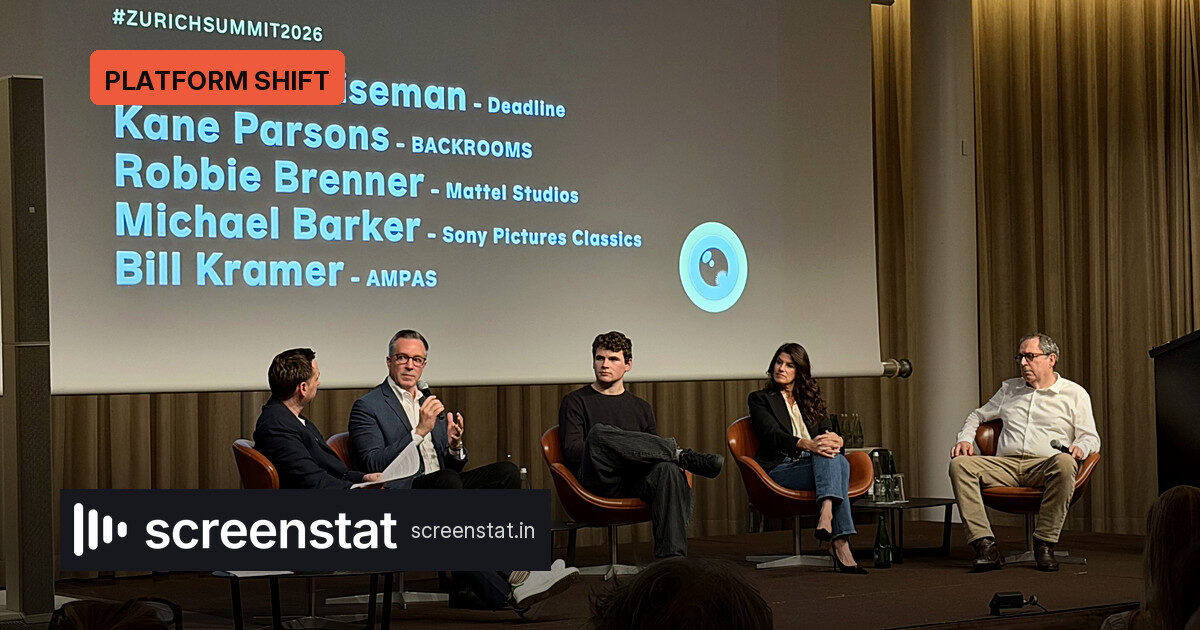
The Academy of Motion Picture Arts and Sciences is making its bet official: from 2029, the Oscars will leave ABC, its U.S. broadcast home since 1976, and stream on YouTube free to viewers in 30 languages. At the Zurich Film Festival Summit, Academy CEO Bill Kramer said the shift “almost feels risky not to do it,” framing the move as an audience play rather than a retreat from linear television.
The deal behind the switch
The YouTube arrangement begins with the 101st Oscars. Disney remains the Academy’s partner for the next two shows, but Kramer said the organization is already “deep in discussions” with YouTube CEO Neal Mohan and his team. Asked whether the package was lucrative, he called it “a good deal” without putting a figure on it.
What changes is the shape of the property. YouTube will carry not just the ceremony but a large slate of supporting programming:
- Red carpet pre-show and behind-the-scenes in-show content
- The Oscar nominations announcement and the Governors Awards
- The Nominees Luncheon, Student Academy Awards and Scientific and Technical Awards
- Member and filmmaker interviews, education programs and podcasts
What the ratings show
The move lands as the U.S. broadcast audience shrinks. The 2026 Oscars drew 17.86 million viewers on ABC and Hulu, down about 9 percent from 19.69 million in 2025 and the smallest turnout since 2022. Yet the Academy’s revenue story is still tied to the television contract: the Oscars generated $150 million in revenue from 2024 to 2025, with the majority coming through the Disney rights deal.
Kramer’s counter is geographic. More people now watch the Oscars outside the U.S. than inside it, and he argued that YouTube’s share of TV viewing is climbing each month. The platform, he said, gives the Academy direct engagement with film fans in ways a network window cannot. He promised “you’ll see a very different-looking Oscars” that allows more interactive and deep engagement than the current broadcast.
Why this matters for media buyers
For planners and entertainment marketers, this is not a like-for-like move of a three-hour telecast. The 2029 Oscars is being packaged as a multi-format, multi-language YouTube content franchise. A brand can align with the red carpet, nominations moment, awards events or archival interviews separately from the main show. The trade-off is familiar in streaming: a rights holder gives up a guaranteed distribution fee in exchange for global reach, first-party engagement and the ability to iterate the format.
The practical read is to stop benchmarking awards television on U.S. linear ratings alone. The relevant question for a sponsor is no longer “how many people watched the broadcast” but “where in the Oscars content system do we show up, and in how many markets and formats.”
Source: The Hollywood Reporter