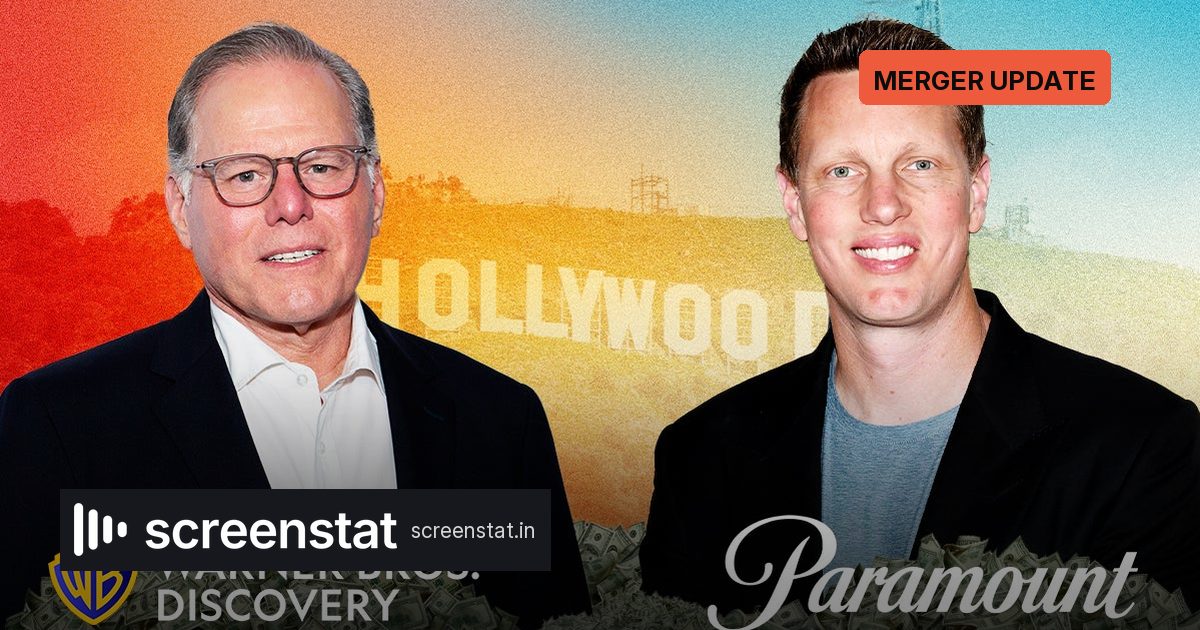

Paramount Skydance has cleared the final regulatory obstacle to its US$110bn acquisition of Warner Bros Discovery, reaching a settlement with the 12-state coalition that sued to block the deal.
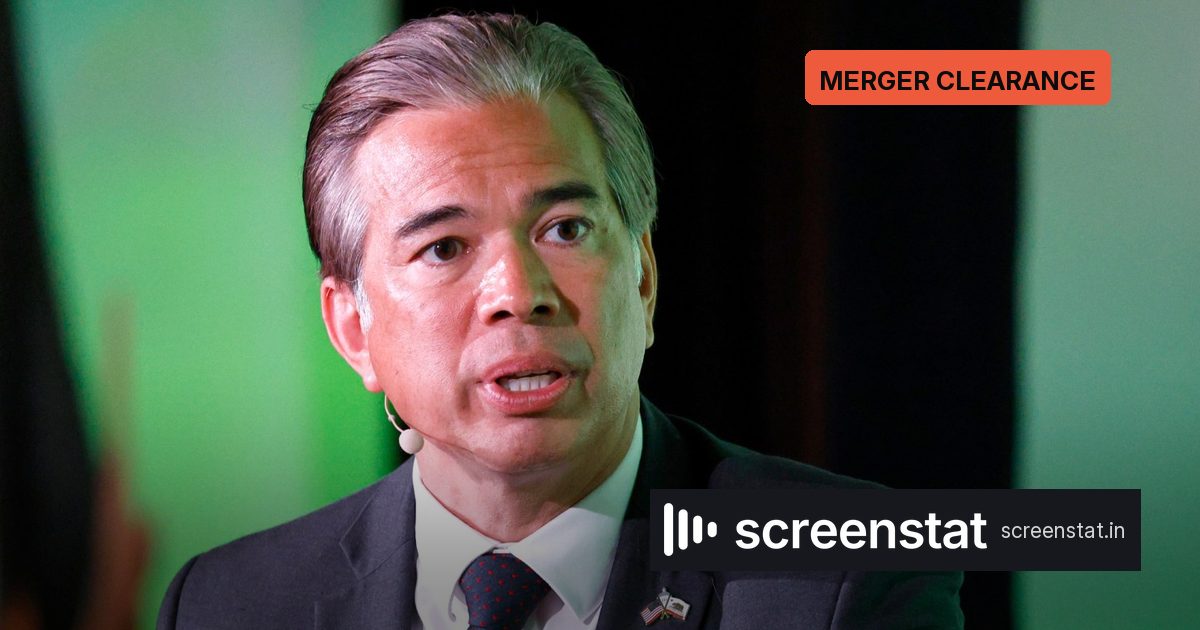
The settlement removes the last antitrust overhang for a transaction that has already received approvals from more than 65 jurisdictions and regulatory bodies worldwide. California attorney general Rob Bonta led the state coalition.
What was at stake
Without a settlement, the parties were running toward a costly deadline. A ticking fee would have taken effect on October 1 if the transaction had not closed by September 30, adding about US$7m per day — roughly US$650m per quarter — under the deal provision.
That made the state-level standoff more than symbolic. Regulatory delay was a direct line item in the merger math.
Remedies to watch
The specific settlement details have not been revealed, but remedies discussed before the final agreement point to areas regulators wanted constrained:
- Divesting some cable networks
- Independent content monitoring of CNN
- Commitments to release 30 theatrical films per year
Those potential remedies are not yet confirmed as final terms, but they reveal the pressure points: local cable concentration, news independence, and theatrical output.
The case for scale
PSKY has argued the deal is pro-competitive, positioning the combined company to go head-to-head with Netflix and large tech platforms in streaming and content. The asset map would pull together CBS, Paramount+ and Paramount film and television studios with HBO, Max, CNN and a group of factual cable networks.
For media planners and entertainment marketers, the closing changes the practical questions from ‘will this deal happen’ to ‘what happens to inventory, pricing and sales coverage.’ A rationalized streaming portfolio could mean fewer but larger deals, while any divested networks could create new buying points or ownership changes within the cable ecosystem. For streaming teams, the merged portfolio also raises questions about windowing and subscription bundles, but those details will likely emerge after the close.
The possible 30-film theatrical commitment is also worth tracking. If it survives in final terms, it would protect a baseline of box office supply for exhibitors and movie marketers. Independent monitoring of CNN would be a watch item for news advertisers and political planners who care about editorial separation.
State AG settlements in big media mergers often matter as much as the global clearances because they attach conduct and divestiture conditions to the assets that touch domestic buyers most directly. The headline is scale; the operating reality will show up in the fine print.
Source: C21media