The last U.S. gate clears
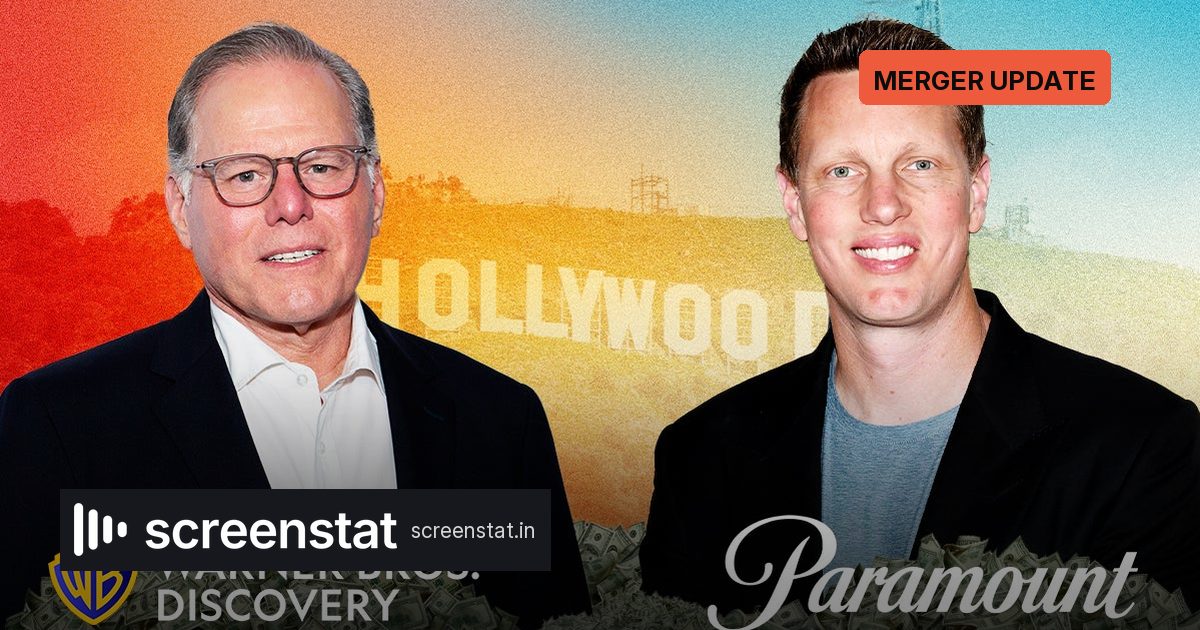
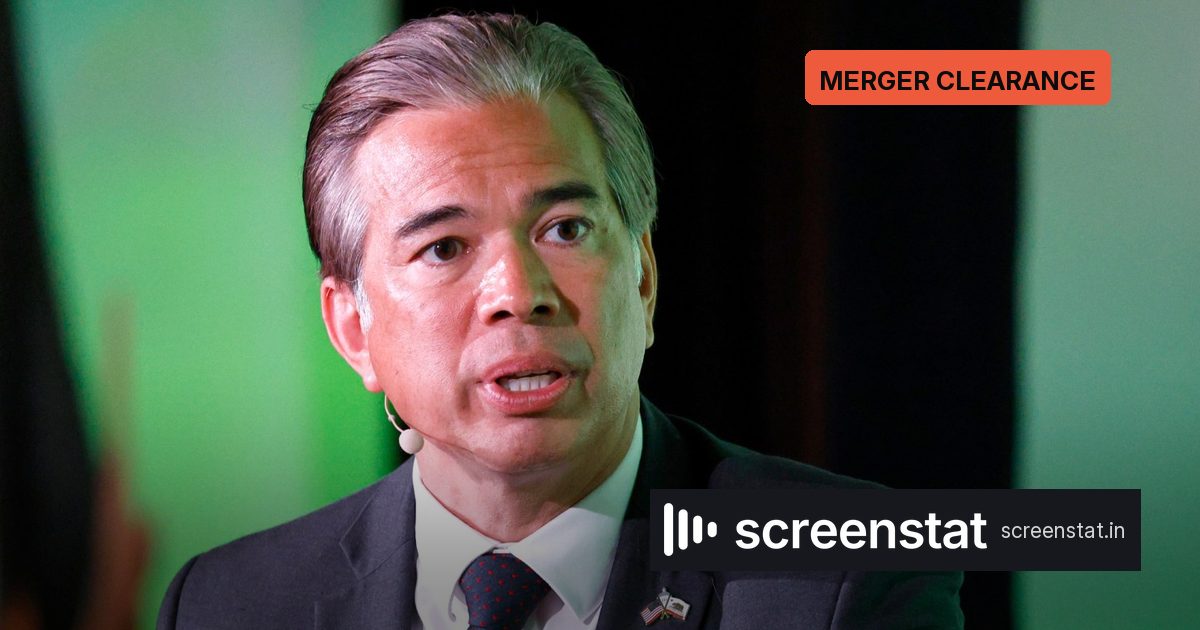
Paramount has cleared the final U.S. regulatory hurdle on its $111 billion acquisition of Warner Bros. Discovery. California Attorney General Rob Bonta and a coalition of 12 state attorneys general settled their July antitrust challenge, allowing David Ellison to move forward with terms that are lighter on structural remedies than many opponents had demanded.
Bonta was direct about his own view: “I don’t think these two companies should merge.” But he framed the agreement as the best available resolution, pointing to production, investment and governance commitments rather than a breakup of the combined studio.
What the settlement requires
The deal terms are largely operational and time-bound:
- $1.5 billion in domestic film and TV production over five years
- A 30-film commitment over five years, with a $30 million penalty for each film under the target
- No cable channel divestments; Warner Bros. and Paramount keep their Los Angeles studio lots as is
- Independent editorial boards for CBS News and CNN
- $9.5 million per year for workforce training and career development
- A $5 million annual fund for independent films
Bonta said the $1.5 billion production figure is about $300 million more per year than the two studios spent last year. The 30-film pledge extends an earlier three-year commitment from Ellison.
Guardrails, not a reordering
For Hollywood’s anti-consolidation voices, the result may feel like a warning label rather than a wall. There are no forced studio sales, no separation of CNN and CBS News, and no requirement to keep separate production pipelines. The consent decree includes fallback divestiture language if Paramount fails to deliver, but the immediate targets look reachable.
Warner Bros. distributed 11 wide releases in 2025 and Paramount released 10, according to a Los Angeles County economic report cited in the coverage. Both were already expected to increase theatrical output as the industry moves away from pandemic-era streaming-first release decisions. Independent editorial boards provide governance, but they do not prevent cost-focused synergy moves that could reduce reporting resources inside the news divisions.
Why it matters for the screen business
The path to approval shows how the regulatory conversation shifted from blocking consolidation to attaching conditions. The European Union approved the deal after Paramount exited a distribution joint venture with Universal. The FCC waved through Middle East sovereign wealth funds as backers. The state case had threatened to push an antitrust trial to March 2027 and trigger a $7 million-per-day ticking fee starting in October; that pressure is now gone.
For media planners, entertainment marketers and streaming buyers, the combined company will be one fewer major seller of film, TV content, advertising inventory and streaming rights. The explicit production commitments are a short-term supply signal. The longer-term question is whether behavioural conditions can preserve negotiating choices when the number of major sellers shrinks.
Source: The Hollywood Reporter