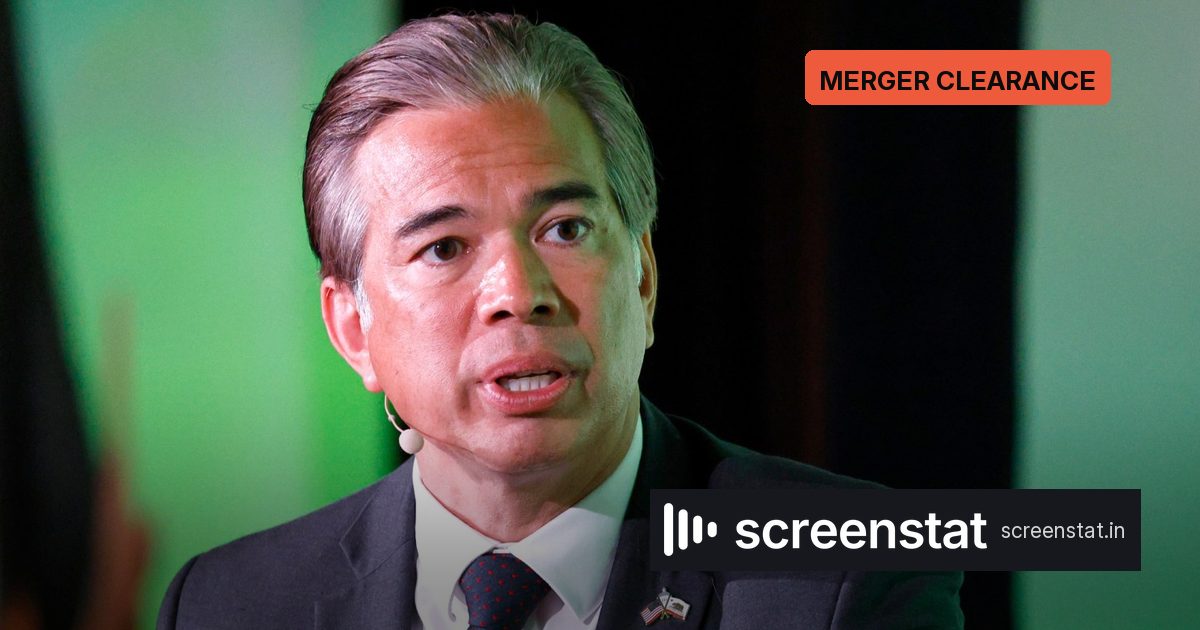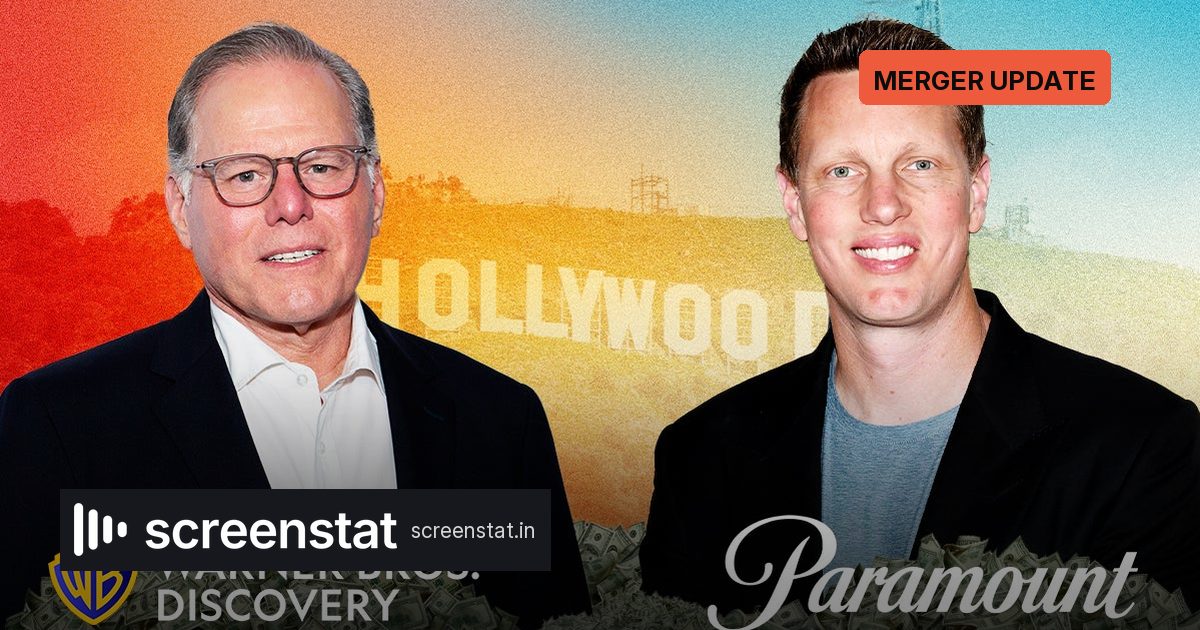

Paramount has removed the final legal hurdle to what would be the largest media merger on record: its $111 billion combination with Warner Bros. Discovery. According to IndieWire, the company settled a lawsuit brought by California and 11 other states by agreeing to a set of conditions tied to California production spend, newsroom independence and theatrical film output.
The terms on the table
The reported concessions are designed to address the consolidation concerns raised in the states’ July suit. The package includes:
- An additional $1.5 billion in California film production spending over five years.
- A board of journalists to protect the editorial independence of CNN and CBS News.
- Penalties if the combined company cannot distribute 30 theatrical films per year, a promise CEO David Ellison has repeated publicly.
Paramount did not respond to a request for comment, and the settlement has not been formally announced by the company or California Attorney General Rob Bonta.
Why the timing matters
The settlement removes a ticking fee that would have started October 1, forcing Paramount to pay Warner Bros. Discovery shareholders millions of dollars per day until the deal closed. That gave both sides a hard incentive to resolve the state litigation quickly, even though formal negotiations had been expected to resume in October.
What the combined entity would control
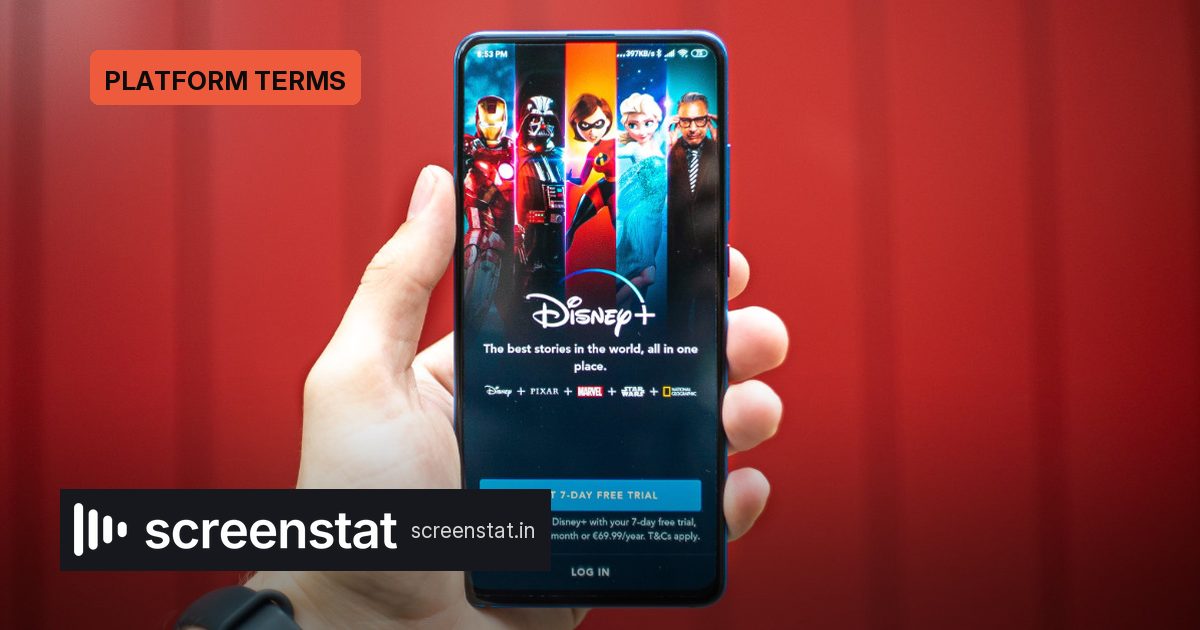
The merger would put two legacy studios, Paramount Pictures and Warner Bros. Pictures, under one roof, alongside Paramount+ and HBO Max, and a cable lineup spanning CNN, HBO, Discovery, TNT, TBS, TCM, MTV, Comedy Central and Paramount Network. The unresolved question is whether Paramount will divest some cable channels to ease regulatory concerns.
The box office angle
For theater owners and film business analysts, the key concession is the commitment to release 30 films a year and preserve a 45-day theatrical window before digital rental or streaming. After Disney’s acquisition of Fox reduced major-studio output, exhibition chains have been wary of further consolidation. AMC, Regal and Cinemark have already signaled support for Ellison’s theatrical plan, but earlier criticism focused on whether that promise was enforceable. The reported penalty structure is meant to change that.
For media buyers and streaming professionals, the merger would reshape supplier negotiations. A combined company would control more premium film and TV inventory, two major streaming services, and a broad linear footprint. The practical impact will come down to how the company prices and packages that inventory across theatrical, streaming and traditional television.
There are still details to review: divestitures, the scope of the newsroom board, and the enforcement mechanics for the 30-film commitment. ScreenStat will track the formal settlement terms as they are filed.
Source: IndieWire