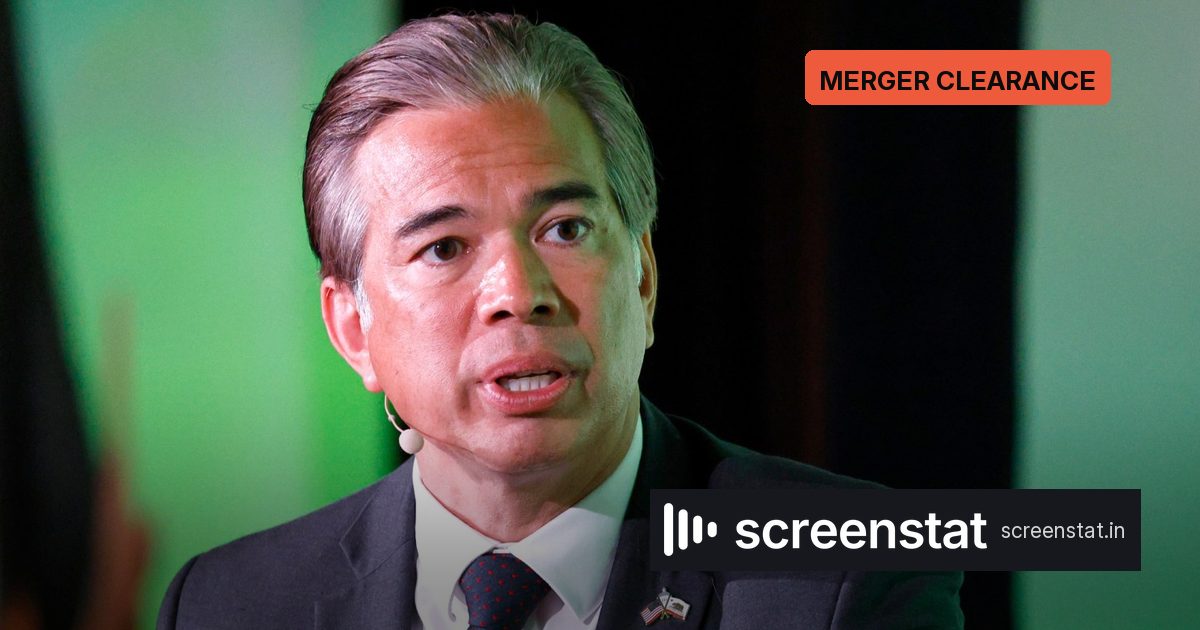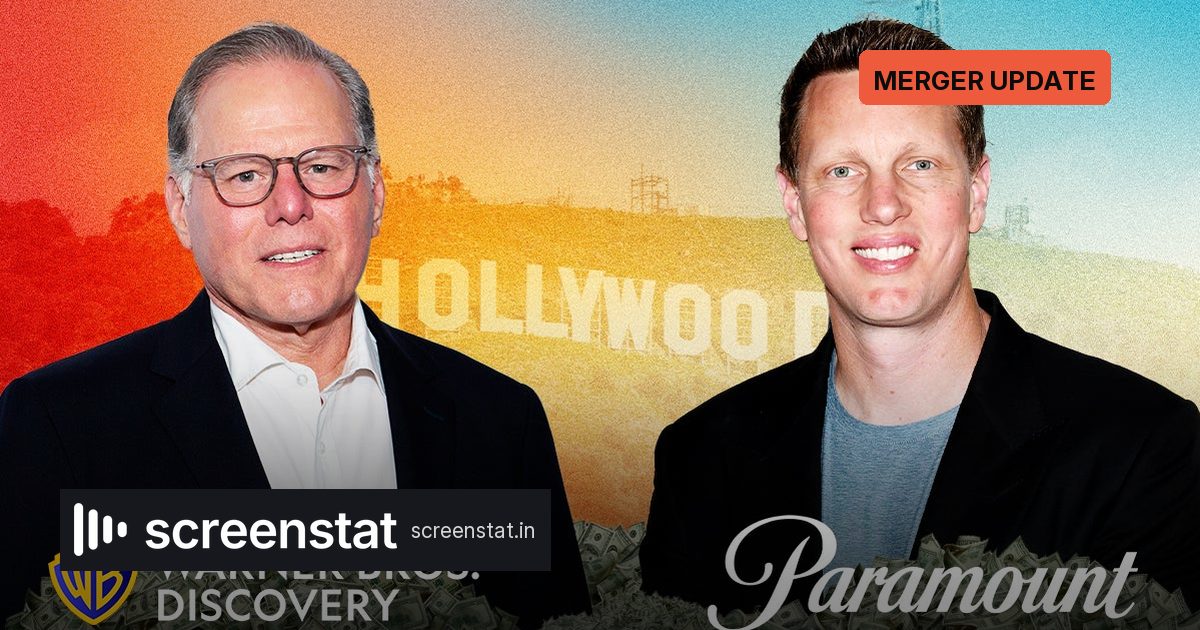
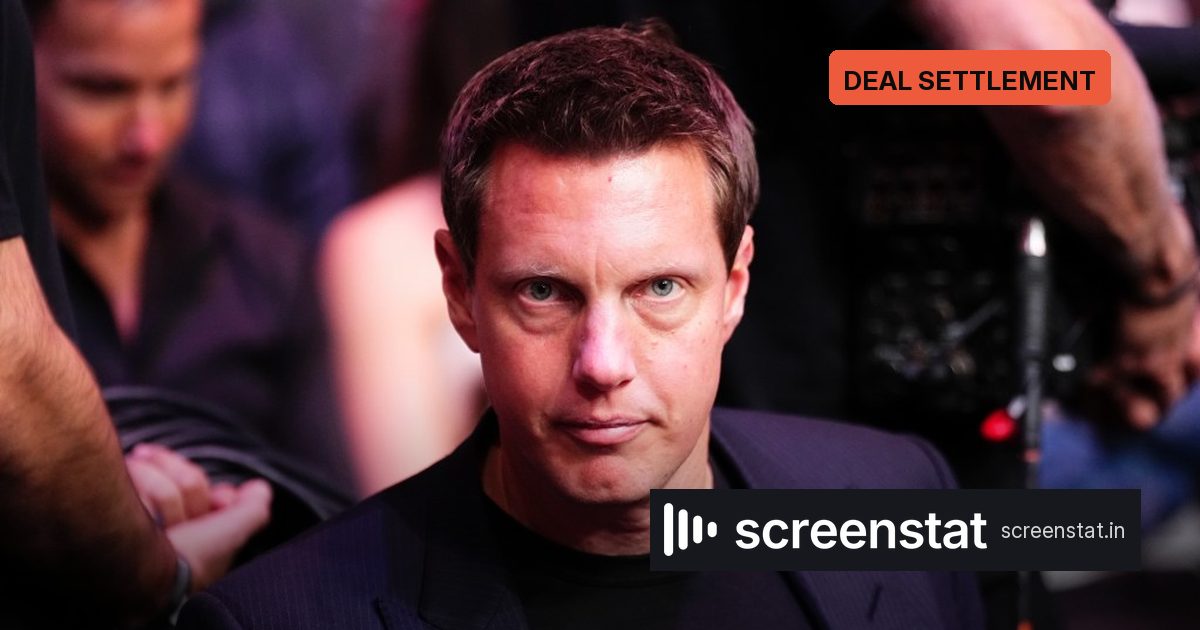
The last legal barrier to Paramount’s acquisition of Warner Bros. Discovery has fallen. Paramount settled an antitrust lawsuit brought by a dozen state attorneys general, led by California’s Rob Bonta, clearing the way for the deal to close. The agreement includes concessions aimed at protecting Hollywood jobs and production, and it folds in a parallel Writers Guild of America challenge, Deadline reported.
Formal terms will be announced with the deal. But the broad shape of the settlement is already visible.
What Paramount gave up
- CNN guardrails: Paramount agreed to some operational protections for CNN. A Wall Street Journal report said the company will not have to sell cable networks.
- Studio separation: The two studios will be kept separate for a period.
- Film-output penalties: Financial penalties are tied to CEO David Ellison’s commitment to make 30 movies a year.
- Production and labor commitments: The package includes a $1.5 billion domestic film production investment, a $47.5 million workforce development fund, and a requirement to honor existing collective bargaining agreements.
- Conditional production: Additional domestic production is required if the federal government approves tax incentives.
The Writers Guild of America’s separate lawsuit is also included in the settlement, Deadline reported.
Why the weekend mattered
Paramount had a hard financial clock. Under the merger agreement, Paramount faced a ticking fee starting October 1: $7 million a day, or 25 cents per share per quarter, owed to Warner if the deal had not closed. Missing that date could have cost close to $2 billion. The settlement removes that risk.
Four attorneys general — from New York, Connecticut, Minnesota and Nevada — initially held out. They came around late Sunday after Bonta assured them he would hold Paramount’s “feet to the fire” on enforcement, Deadline reported. Bonta had earlier said he preferred structural remedies, such as asset sales, over behavioral remedies that require monitoring.
A source close to Sacramento power players framed the settlement around one priority: jobs.
The bigger business picture
Investors welcomed the news: Paramount shares rose 9% and Warner Bros. Discovery gained 10%, trading around $30.50 against the $31-per-share takeout price. That narrow gap suggests the market expects the deal to complete.
The combined company will carry a heavy load. Paramount agreed in February to acquire Warner for $31 a share, valuing Warner at $81 billion in equity and $110 billion in enterprise value. The transaction was backed by $47 billion in equity and $54 billion in debt. Larry Ellison, David’s father, personally guaranteed the bulk of the equity portion.
For media planners and streaming buyers, the relevant figure is the $6 billion-plus in announced synergies. A consolidated Paramount-WBD is likely to make content licensing and ad inventory decisions with cost discipline, because it also faces a heavy projected debt load.
The road to this point included a temporary restraining order, a public fight over projected job losses, and even a threat from David Ellison to relocate Paramount out of Hollywood. Warner had earlier agreed to sell its studio and streaming assets to Netflix, then reversed course for Paramount’s richer full-company bid. Netflix walked away with a $2.8 billion breakup fee.
The settlement follows FCC approval on Sept. 17. The agency waived a 25% foreign broadcast ownership cap to allow sovereign wealth funds from Saudi Arabia, Qatar and the UAE to hold 49.5% of the merged company in non-voting stock, with no say in governance, operating or content decisions.
Source: Deadline