The film, in one line
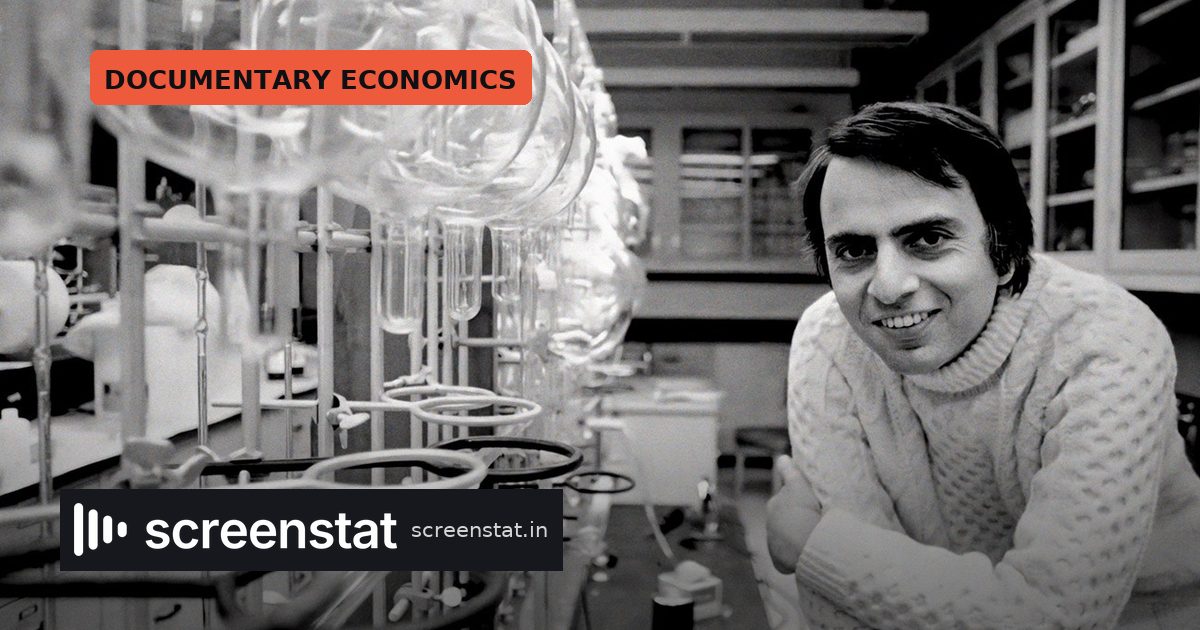
Carl Sagan: We Are Made of Star Stuff is a 98-minute National Geographic documentary directed by Nanette Burstein, and reviewed this week by The Hollywood Reporter as a warm, fast-moving biography that deliberately skips the heavy science.
The producer list is the tell. Sagan’s widow Ann Druyan is a producer and a central on-camera presence. So is Seth MacFarlane, who shepherded the Fox revival of Cosmos. The production companies are National Geographic Documentary Films, MacFarlane’s Fuzzy Door and hungryman. Tal Ben-David co-wrote and edited; Adam Beckman shot it; Logan Nelson scored it.
Why the estate-plus-celebrity structure matters
For anyone tracking documentary commissioning, this is a familiar package: rights-holding family member on the producer credit, a marquee entertainment name attached, a legacy broadcaster brand on the front. That structure solves three business problems at once – archive clearance, marketing reach and platform confidence.
It also shapes the film. THR’s review notes that the doc leans on the people closest to Sagan rather than the scientists who built on his work, and that it moves quickly past the messier parts of his personal history: the long divorce from second wife Linda, and first wife Lynn Margulis, a renowned evolutionary biologist, treated largely as a footnote. Critics of Sagan’s populism inside academia get no representation on camera.
Access-driven docs almost always make this trade. The archive and the intimacy come from the estate; the estate’s version of the story comes with them.
The animation line item
One production detail worth flagging for anyone budgeting a science doc: with the original Mariner, Viking and Voyager imagery no longer capable of shocking a 2020s audience, the film turns to animation from Imaginary Forces to carry the wonder. THR’s verdict is that the sequences skew whimsical rather than mind-boggling – illustration rather than revelation.
That is the core economic tension in legacy science documentaries. The historic footage is cheap and available but no longer astonishing. New CGI spectacle is expensive and competes with everything from streaming space series to social video. Most productions land where this one does: pleasant motion graphics that bridge scenes without becoming the reason to watch.
What to watch if you buy, plan or market this stuff
- Runtime discipline. Ninety-eight minutes is squarely in the feature-doc sweet spot for streaming completion rates – long enough for theatrical and festival play, short enough to survive a single sitting at home.
- Positioning risk. A review that says the film explains the man rather than the science is a marketing instruction, not just a critique. Sell it as biography and it works; sell it as Cosmos and expect audience disappointment scores.
- Brand equity. National Geographic Documentary Films remains one of the few non-fiction labels with instant consumer recognition. That matters more, not less, as documentary titles get buried in algorithmic rows.
- The nostalgia hook. THR points to a period when public intellectuals used talk shows like The Tonight Show to push ideas rather than product. That framing has obvious appeal to older, higher-income viewers – a demographic advertisers on ad-supported tiers pay up for.
The broader read
The documentary market has split. On one side, true crime and celebrity scandal chase volume. On the other, heritage-brand titles like this one chase prestige, awards eligibility and a durable library shelf life. Sagan docs do not open weekends; they sit in a catalogue for years and get rediscovered every time a space mission makes headlines.
Judged on that basis, a humanising portrait may be the smarter commercial call than a rigorous scientific one, even if it leaves critics wanting more. THR’s bottom line is roughly that: expect a guide to Carl Sagan the person and the 100 minutes are engaging; expect a guide to the cosmos and you will be let down.
Source: The Hollywood Reporter