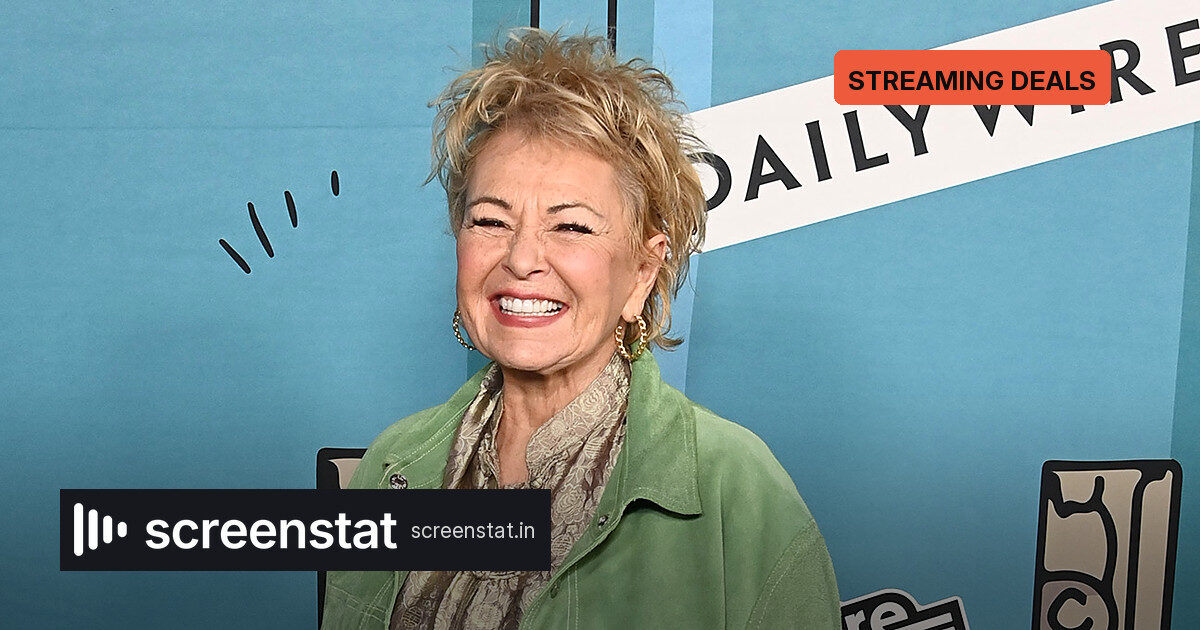
Roseanne Barr’s self-produced comedy Meemaw: A Modern-Day Fable has moved from production to the sales phase. Eight thirty-minute episodes are shot, and the project’s representatives are showing a trailer to distributors and streamers.
Co-creator Allan Stephan told The Hollywood Reporter that “we have a lot of nibbles right now.” He did not name any platforms but said representatives are “in talks with a few places.” Stephan has a business interest in presenting the project as sought-after, so the pitch should be read as an early market signal rather than a done deal.
The package
Barr plays the matriarch of a Texas prepper family planning a blowout bat mitzvah for her granddaughter. The cast includes Randy Quaid, Drea de Matteo, Omar Gooding, Doug Jones and Indy Bugg, with cameos from Jon Lovitz, Tony Hinchcliffe and Kim Congdon. Allen Covert, a longtime Adam Sandler collaborator, helped write the series.
Stephan says the show is deliberately not a sitcom. “We call it a fable because part of the storytelling involves some animals and it’s just a little different,” he said.
How the deal is structured
- Eight 30-minute episodes, shot in Austin
- Self-financed by Barr, with her son Jake Pentland helping raise funds
- Distributor talks are active, but no buyer or platform has been named
- The show is being positioned as nonpartisan and broad-based
The independent route changes the power dynamic. Rather than a network paying for development, Barr and Pentland carried the production cost first. That means any eventual buyer is licensing a finished package, not financing a risky pilot. It also means the producers need a buyer to recover their outlay and fund future seasons.
Why this matters for streamers
The project is a test of how independent production can re-enter the market after controversy. ABC cancelled the Roseanne reboot in 2018 after Barr posted an offensive tweet about former Barack Obama adviser Valerie Jarrett; Barr apologised. Now, eight years later, streamers can assess whether the content itself clears a brand-safety bar without making a political statement.
For media buyers and programming executives, this is also a reminder that creator-funded shows often reach buyers only after the financial risk has been taken. Interest does not equal an acquisition. The number that will matter next is not “nibbles” but a signed licensing agreement and a release commitment.
Stephan says the story is about survival: struggling farmers trying to keep food on the table and the family together, with no Trump side and no Democratic side. That is a direct appeal to platforms looking for broad, advertiser-safe comedy.
What to watch
Treat unnamed platform interest as a conversation, not a slot on the release calendar. If a streamer or distributor commits, the next signals are marketing support, windowing and whether the show is positioned as broad entertainment or a comeback narrative.
Source: The Hollywood Reporter