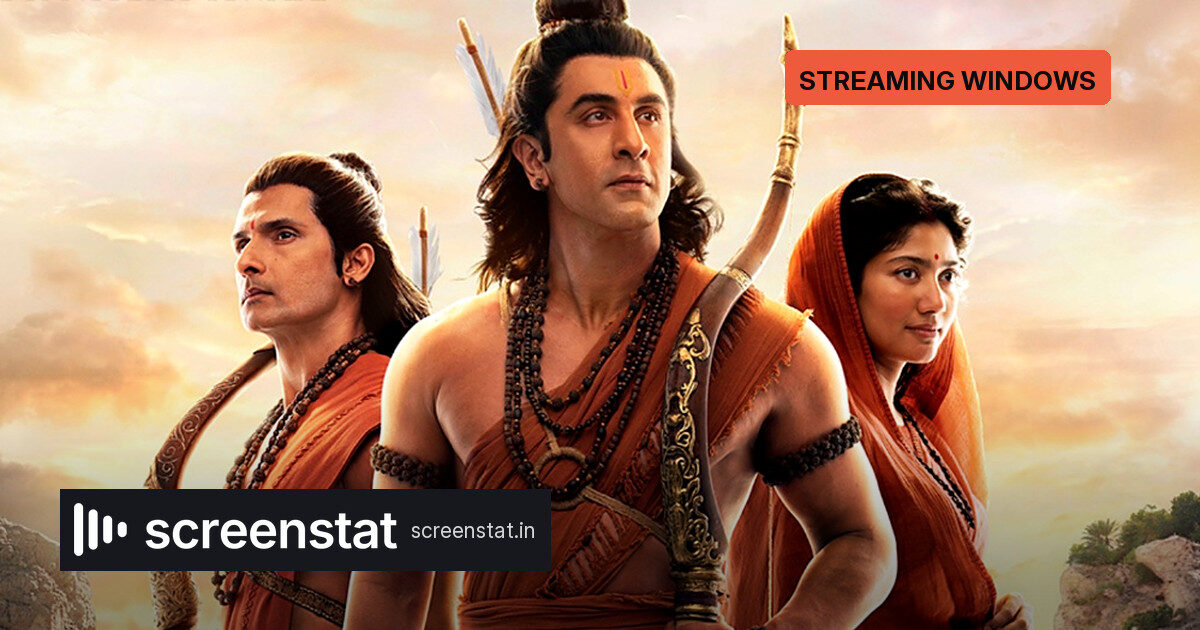
JioHotstar is stepping outside the subscription bundle for one of Indian cinema’s biggest theatrical bets. After its cinema run, Nitesh Tiwari’s Ramayana: Part One will be sold as a pay-per-view purchase on the platform — a first for JioHotstar, under a deal with producer Prime Focus Studios.
For now, the film is not being placed in the standard subscription catalogue. The arrangement is a transactional video-on-demand play: viewers pay separately for the title instead of accessing it through a monthly plan. JioHotstar says it will deliver playback at the best quality each supported device can handle.
A new window between box office and SVOD
The film opens worldwide on Nov. 5, timed to Diwali, in Hindi, Tamil, Telugu, Kannada, Malayalam and English. Imax 3D is among the formats. Sony Pictures Entertainment is releasing the film globally, while Karan Johar’s Dharma Productions is handling Indian distribution. The production brings together Prime Focus Studios, visual effects house DNEG and Yash’s Monster Mind Creations, with Hans Zimmer and A.R. Rahman on music.
This is the first pay-per-view offering of its kind on JioHotstar, which matters because Indian streaming has largely been built on subscription access. A large-scale purchase window after cinemas would create an additional revenue layer for event titles before they land in the subscriber catalogue.
Release snapshot
- Title: Ramayana: Part One, directed by Nitesh Tiwari
- Theatrical: Opens worldwide Nov. 5, six languages, including Imax 3D
- Streaming: Pay-per-view purchase on JioHotstar after the theatrical run
- Partners: Sony Pictures Entertainment for global release; Dharma Productions for Indian distribution
Why media planners should watch this
The test is behavioural. Indian audiences are used to watching films on streaming as part of a subscription. A film of this scale asking for a separate transaction after cinemas will show whether viewers will pay once for a single title, wait for subscription availability, or simply move on. If conversion is strong, expect pay-per-view to become a standard intermediate step for event cinema.
Namit Malhotra, DNEG’s CEO, frames the move as an infrastructure play. He argues the film deserves the largest screen and Imax 3D, but cinema infrastructure cannot reach everyone who holds the epic close. JioHotstar, he says, was a natural partner to take Ramayana into living rooms after its theatrical run.
JioStar chair Nita M. Ambani positions the release as a cultural moment, calling the epic a story that has shaped India’s conscience and a chance to introduce a new generation to its values. That gives the platform a premium, family-oriented hook around a title that will already command wide theatrical attention.
The number to watch
Pricing has not yet been disclosed, so conversion and average revenue per buyer become the real performance indicators. A media plan for this title now has three paid moments: the theatrical opening, the pay-per-view window, and an eventual subscription release. Each needs its own message — urgency for cinemas, access and ownership for purchase, and value for the catalogue.
If Ramayana: Part One succeeds as a purchase title, it may reset how Indian event films are released. If it does not, pay-per-view remains a niche. The platform’s promotion and the purchase price, when revealed, will signal how seriously the industry is betting on the window.
Source: Variety