A magazine cover used to have a shelf life measured in weeks. A digital cover has no shelf life at all – it has a comment section, a re-share loop and an archive that can pull a decade-old television interview back into today’s feed.
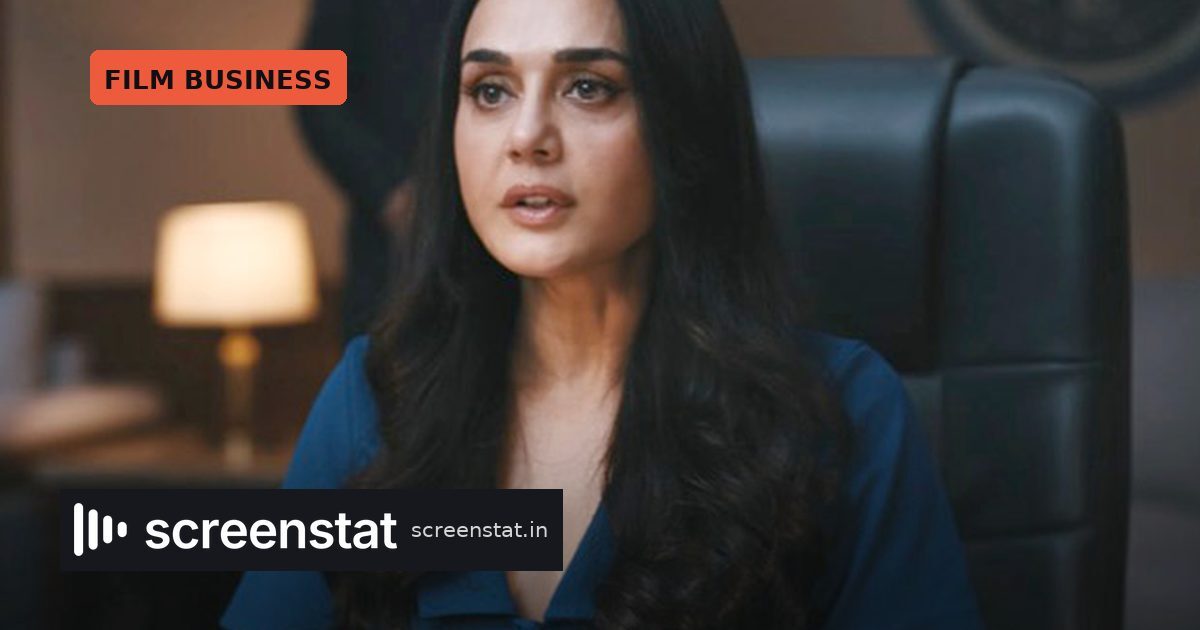
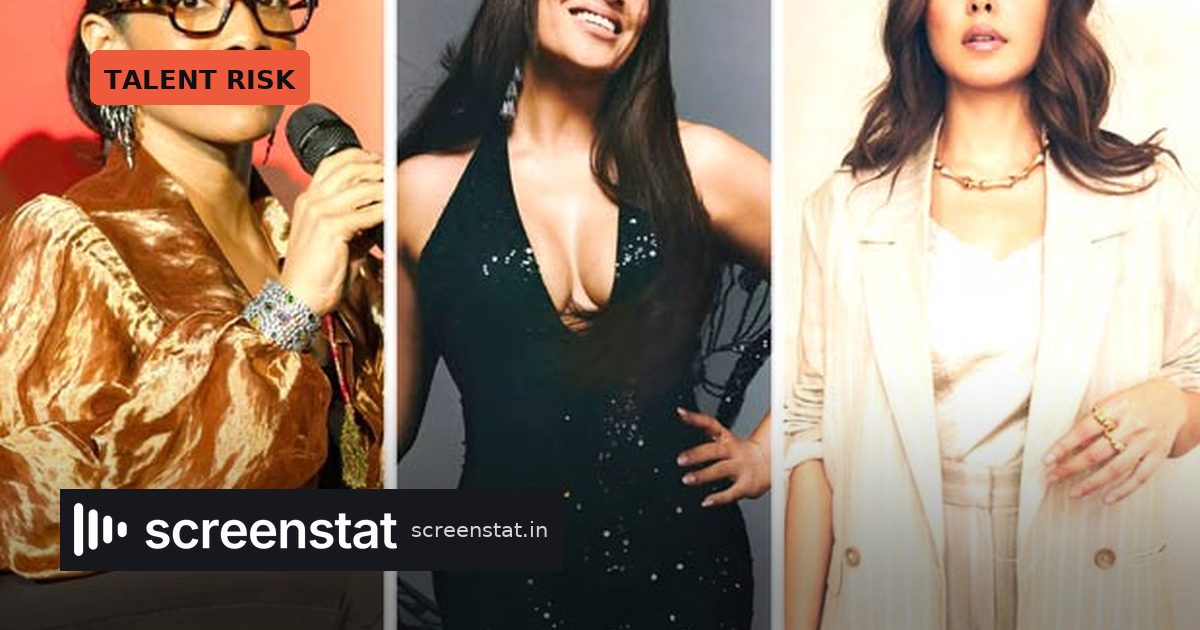
That is effectively what happened this week. Designer Masaba Gupta re-shared a post featuring Bipasha Basu, who appeared as Elle India’s Digital Cover Star, and wrote that she was “the last of the OGs.” Gupta argued there would not be another Bipasha “because everything is a cookie cutter template today,” and described some actresses of the current generation as “boring and dull,” saying the present crop “does not inspire one bit of confidence.”
The line that actually travelled
The most-circulated part of the post was not the cover praise. It was Gupta’s note on Basu’s physique – that she loves the actress’s athletic build and the muscle, and wants more of it because of the fitness standard Basu set. She followed it with a pointed sign-off: “Too bad if someone doesn’t see that as feminine.”
Gupta named no one. Social media did the naming for her. Users connected the line to an old interview from Mrunal Thakur’s television years, when she appeared with her Kumkum Bhagya co-star Arjit Taneja and, in a conversation about fitness and partner preferences, said, “Do you want to marry a girl who is manly with muscles? Go marry Bipasha.” The clip resurfaced online in 2025, drew body-shaming criticism, and Thakur later apologised.
Why a fashion cover became a discourse cycle
For anyone planning talent-led campaigns, this sequence is worth studying because it is structurally repeatable, not a one-off.
- The digital cover is a distribution asset, not a print artefact. Its value is in re-shares by high-follower third parties like Gupta, who add commentary the brand never briefed.
- Commentary is the payload. The cover image is the carrier; the opinion attached to it is what earns reach.
- Archives are always live. A years-old TV interview clip is one search away from being welded onto a fresh news cycle.
- Attribution is crowd-sourced. An unnamed subtweet gets assigned a target within hours, whether or not that was the intent.
- The brand at the centre may be entirely passive. Basu did nothing here beyond appearing on a cover.
What it means for marketers and platform teams
Two practical takeaways. First, when you buy a digital cover or a talent collaboration, you are buying into an open comment ecosystem, not a controlled placement. Budget for community management on the amplification tail, not just the launch day. The secondary conversation frequently outperforms the primary asset in reach – and it is the part no media plan accounts for.
Second, run an archive audit before you sign talent. Old broadcast interviews, reality-show clips and chat-show segments now sit permanently on video platforms and are trivially clippable. The Thakur example is instructive precisely because the original remark predates the current outrage economy by years; it was made in a television promotional context and only became a reputational event when it re-entered circulation in 2025.
The signal underneath the noise
Strip out the personalities and there is a genuine content-strategy point in Gupta’s complaint. Her “cookie cutter template” line is a critique of sameness – the argument that a homogenised visual and personality grammar has flattened star differentiation. Whether or not you agree, distinctiveness is a measurable commercial asset. Talent that looks and sounds like everyone else is harder to build a campaign around, and harder to justify at a premium fee.
Bipasha Basu’s cover, and the volume of conversation it generated without any paid push, is a reminder that legacy recognition plus a distinct physical identity still moves numbers on platform-native formats. That is the data point worth filing away, long after the discourse cycle has moved on.
Source: bollywoodHungama.com