What premiered
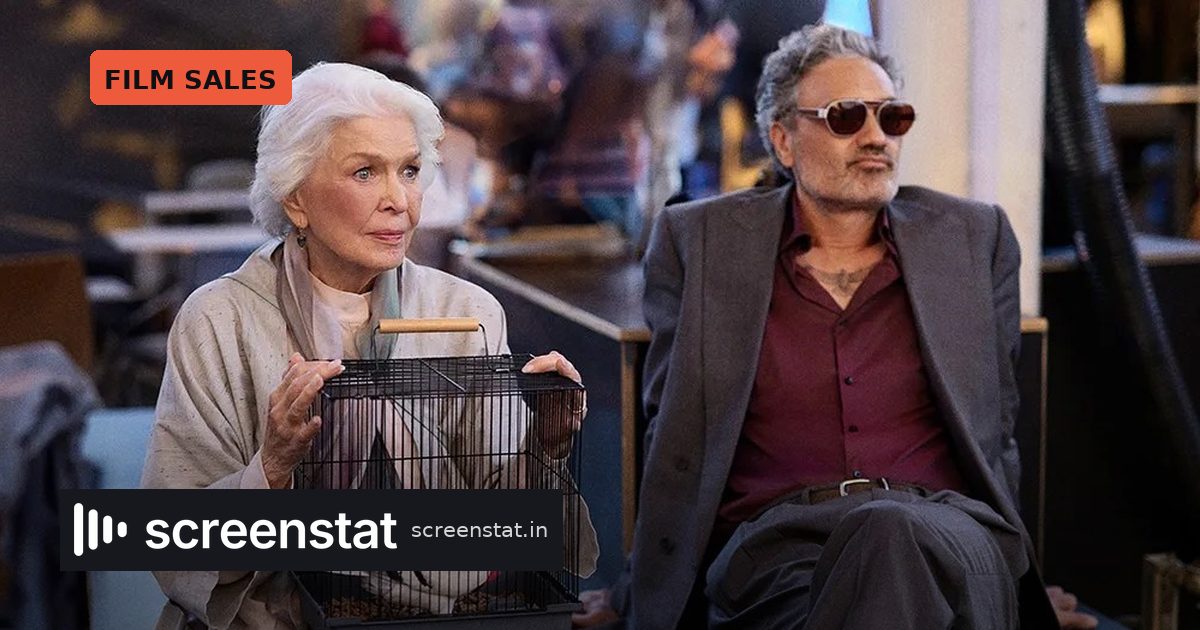
Place To Be, directed by Kornél Mundruczó, had its world premiere out of competition at the Venice Film Festival, with Deadline reviewing it on September 9. The film runs 1 hour and 50 minutes, is written by Kata Wéber, and stars Ellen Burstyn as Brooke, a Chicago widow who sets out to return a wayward racing pigeon — which she names Intruder — to its owner in New Jersey rather than accept her son’s push toward a retirement home.
Taika Waititi plays Nelson, a real estate agent she meets on the train. Pamela Anderson plays her daughter Molly, Murray Bartlett the pressuring son, with David Wenham and Lena Waite in support. Producers are Joman Thomas, Megan Wynn, Alexander Rodnyansky and Craig McMahon. CAA is handling sales.
Why the sales listing is the story
For our readers, the headline detail is not the pigeon. It is that a festival-premiered title with three globally recognisable names is going to market via CAA out of an out-of-competition Venice slot. That combination — strong cast, no competition berth, no announced distributor — is exactly the profile that ends up defining a chunk of the specialty streaming slate each year.
Out-of-competition premieres skip the prize cycle, which means buyers cannot lean on a Golden Lion press bump to justify a P&A commitment. What they can lean on is talent recognition and a performance narrative. Deadline’s review calls Burstyn’s work “sterling and memorable” and notes she is in almost every frame at age 93, having received Venice’s Golden Lion lifetime achievement award this year. That is the awards-adjacent hook a buyer would build a campaign around.
The buyer maths on a film like this
A 110-minute, dialogue-driven road movie with a 90-something lead is not a multiplex play in India or most global markets. Its economics are streaming and specialty theatrical. Here is the practical frame buyers use:
- Cast search value. Waititi and Anderson deliver recognisable thumbnails on a platform home page; Burstyn delivers critical legitimacy. Different audiences, one asset.
- Awards optionality. A lead-actress campaign is cheap relative to a Best Picture push, and Burstyn’s Venice honour plus her two 1974 Oscar-year credits are ready-made press angles.
- Completion risk is zero. The film is finished and screened, so a buyer is pricing marketing, not production.
- Library durability. Gentle, humane dramas index well with older streaming cohorts, a demographic most ad-supported tiers are still under-serving.
- Low windowing friction. A limited theatrical run followed by a fast digital window costs little and buys review coverage.
What this signals for programmers and planners
Two things. First, the veteran-lead drama is quietly becoming a reliable streaming category rather than a charity case — the same logic that has powered Anderson’s recent run of work, which the review notes continues her career resurgence. Second, Mundruczó is a known quantity for acquisitions teams: he directed the Oscar-nominated Pieces of a Woman, which also featured Burstyn in support, and White God. A director with an Academy track record shortens the internal sell inside a platform’s content committee.
For media planners, the takeaway is about timing. If a film like this lands with a streamer, expect a Q4-to-Q1 push tied to awards chatter and a marketing beat built almost entirely around one performance. Inventory around older-skewing film and drama slates gets competitive in exactly that window.
What to watch next
Track whether CAA closes a global deal or breaks the film territory by territory. A single worldwide streaming sale points to library-and-awards positioning. Territory-by-territory suggests theatrical partners see a specialty run, which would in turn mean a longer, noisier campaign and a later digital date. For Indian buyers, the question is simpler: does a quiet American road movie with an English-language cast earn a slot on a slate that is increasingly weighted toward local originals?
Source: Deadline