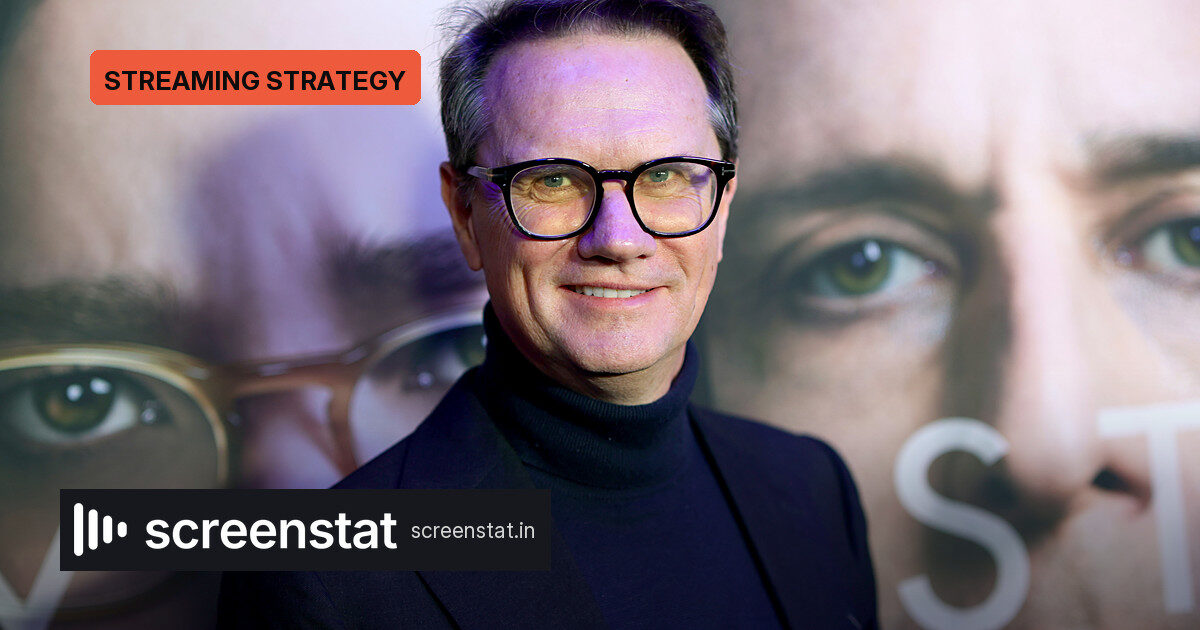
Netflix’s new content chief is being introduced as an operator who can solve a specific problem: the streamer wants better commercial returns from its slate without alienating the creative talent that powers it. On Tuesday’s third-quarter earnings call, Co-CEO Ted Sarandos said Peter Rice would blend “art and commerce” as he re-orients Netflix’s film and TV operations.
A handover during a reset
Rice replaces Bela Bajaria, a 10-year Netflix veteran, at one of the most influential content jobs in global entertainment. The appointment lands during a significant workforce reduction: Netflix is cutting about 1,000 roles, or roughly 6% of its staff, including senior executives.
Sarandos described Rice’s background in television and film as the right fit for the next phase. He said the former 21st Century Fox executive has run TV networks, movie studios and streaming services, and added that industry and creative-community excitement about his arrival had been “nothing short of overwhelming.” Sarandos also said he has known Rice for about 15 years. Rice stayed at Fox after Disney acquired most of its assets and was later fired by then-Disney CEO Bob Chapek.
The market signal
The earnings call followed solid July-to-September results, but lower fourth-quarter and full-year guidance spooked investors and sent Netflix shares tumbling in after-hours trading. Sarandos insisted this is not a strategy crisis. The business flywheel is working, he said; the immediate need is better execution in the United States.
Here is what the company has told the market so far:
- Peter Rice is the new chief content officer, replacing Bela Bajaria.
- Netflix is cutting about 1,000 jobs, roughly 6% of the workforce.
- Q3 results were solid, but Q4 and full-year guidance disappointed investors.
- Sarandos sees no need for a fundamental strategy shift.
Why it matters for screen professionals
Sarandos framed the content problem in a way that should interest producers and media planners. Netflix has had “some solid doubles and triples this year,” he said, but other territories count on those being home runs so they can travel around the world. That distinction points to a portfolio shift: the platform wants higher-yield titles, not simply a steady volume of watchable ones.
Rice can “have an impact” on fourth-quarter and 2027 titles “even in the short term,” Sarandos said, even though he was not part of earlier greenlight decisions. That means planners should watch near-term Netflix commissioning decisions for a more commercial filter. Sarandos also mentioned Rice’s live sports experience, another area where the platform has been expanding.
What to do about it
The signal for the market is not an exit from streaming investment. It is a sharper discipline about which projects travel. For media planners evaluating Netflix as a reach vehicle, this may mean fewer broad bets and more concentrated campaigns around titles positioned as global events.
Don’t read the layoffs as Netflix retreating from content. Sarandos went out of his way to say the flywheel is working. The real test is whether Rice improves execution in the US and turns more of Netflix’s doubles and triples into home runs.
Source: Deadline