Netflix film chief Dan Lin has a direct answer to the industry’s favourite joke about the platform: it does not make shows repeat their own plots. Speaking after an Oscars sketch mocked the device, Lin said the team laughed and rejected the idea outright. ‘If you watch our movies or TV shows, we don’t repeat our plot,’ he told Variety.
The claim began months earlier, when Ben Affleck and Matt Damon flagged the habit while promoting their Netflix film The Rip. Conan O’Brien and Sterling K Brown then turned it into an awards-season gag, reimagining Casablanca with constant plot restatement. The source notes that ‘Here’s looking at you, kid’ is actually said four times in the 1942 original.
Netflix closes ranks
Jinny Howe, VP of original series, added that chief content officer Bela Bajaria is the company’s ‘exposition police’ and is ‘very against being overly explainer about things.’ Howe argued that audiences are sophisticated, and that Netflix treats fans ‘as smart as they are.’
As a positioning statement, that is pointed. Netflix wants talent, creators and buyers to hear that the platform is committed to lean, premium storytelling, not padded scripts for distracted viewing.
The audience has other evidence
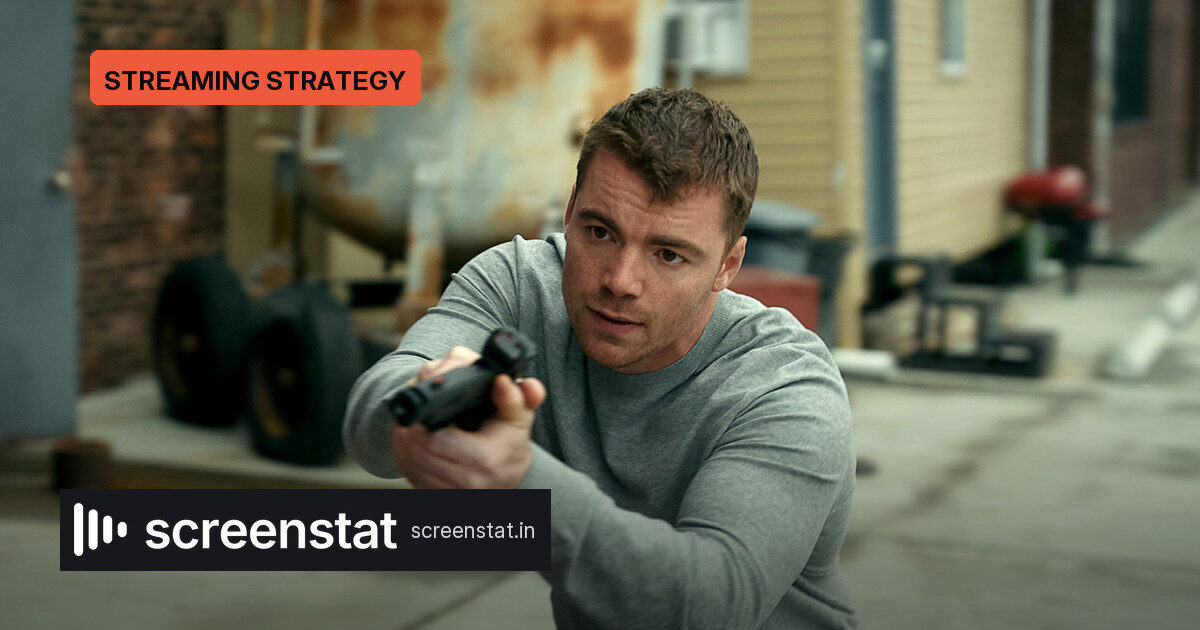
The pushback collides with a familiar on-screen pattern. The Esquire report points to The Night Agent season 3, where episode 3 has Agent Peter Sutherland recapping the first two episodes to the President. Similar re-explaining shows up in Stranger Things, The Lincoln Lawyer and Wednesday.
The sharper read for ScreenStat readers is that this is less about a policy and more about format design. A platform serving binge, dubbed and second-screen audiences will always build some redundancy into dialogue. That can protect completion rates and make episodes work after a long viewing gap.
For media planners and streaming marketers, the argument is a useful diagnostic:
- Clock how much of a premiere restates earlier story, and compare that across binge and weekly releases.
- Ask whether the repetition is doing work for a global dub or subtitled audience, not only domestic viewers.
- Treat heavy recap as an engagement signal, not a quality verdict, when buying ad-supported inventory.
That does not mean Netflix issued a memo; it means a service built for bingeing has a structural reason to make each episode legible on its own. But that same design costs the platform whenever viewers and creators treat visible exposition as a sign of padded TV.
Why the denial matters
Netflix cannot afford a reputation that its originals are padded. At the same time, its scale depends on holding viewers who are not paying close attention. The tension is not between truth and fiction; it is between creative ambition and retention engineering.
For industry watchers, the proof will show up in minutes of runtime spent re-explaining, not in executive statements. If that share grows in mid-budget dramas, it will signal more about platform priorities than any quote.
Source: Esquire UK