YouTube’s “Made on YouTube” event on Sept. 23 was meant to preview what the platform is building next. This year, the more telling story was what its rivals are doing.
Netflix, Disney+ and Tubi are cutting aggressive deals with YouTube-native creators, in some cases locking wholly original programming or day-and-date releases and offering millions of dollars. YouTube, meanwhile, is mixing new incentives with pointed warnings to keep top talent close.
The money is moving first
LightShed analyst Rich Greenfield estimates Netflix has committed upward of $1 billion to creator and podcast programming over the next three years. That is still a small slice of its roughly $20 billion annual content budget, but it is a clear directional shift.
- Netflix started with kids hitmakers such as CoComelon, Ms. Rachel and Mark Rober, then moved into food, talk and teen creators.
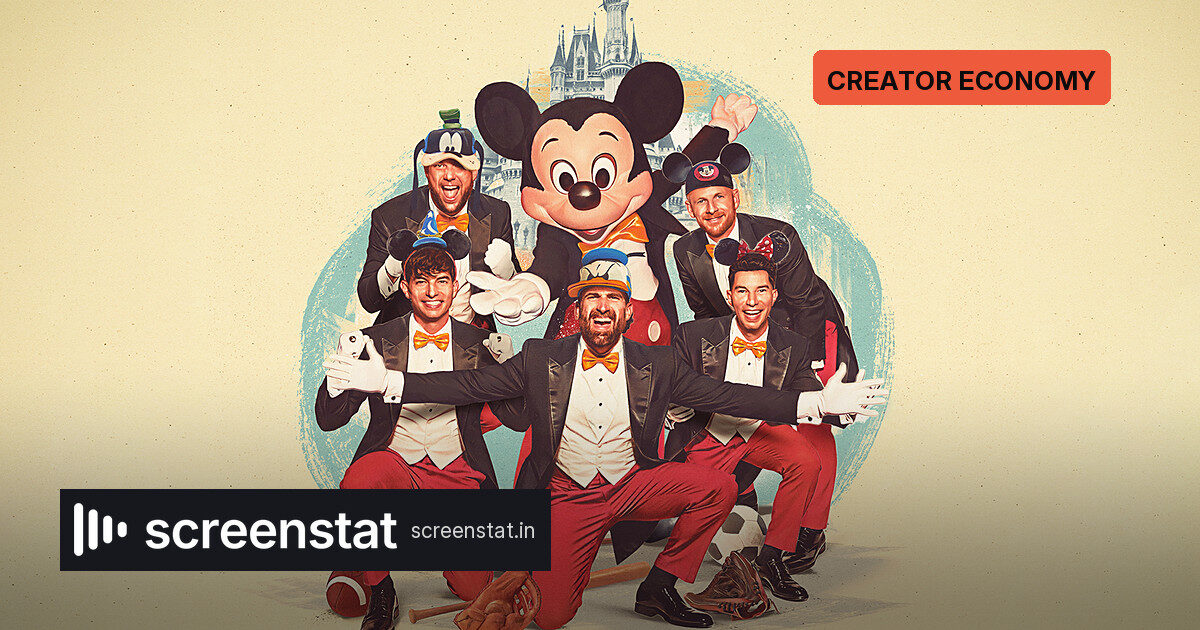
- Disney has struck wide-ranging deals with Dhar Mann, Dude Perfect and Like Nastya, and recently hosted about 350 creators at El Capitan and the studio lot.
- Tubi has cut deals with dozens of creators across originals and library titles.
Why streamers are paying
The pitch comes down to audience, money and speed. Streamers want younger, digitally native viewers, and creator shows cost far less than traditional programming. One top creator with a streaming deal says an hour of their programming can be produced for perhaps 10 percent of the cost of a traditional comedy, drama or unscripted show — and at a faster pace.
Nic Paul, president of creator services company Spotter, frames it around churn: platforms with ad-supported tiers need a steady stream of content to keep audiences engaged, and creators move far faster than a show that takes more than a year between seasons.
YouTube’s carrot and stick
YouTube is increasing its brand-deal resources, which creators see as a way to subsidise content they want to make. But it is also playing hardball. Creators say perks such as the Brandcast upfront stage, Emmy campaign support and YouTube Select eligibility could disappear for those who make rival platforms the priority. One creator told The Hollywood Reporter they were “shocked” at the approach.
“On YouTube, there are no gatekeepers demanding I make my brain baby more palatable for the masses.”
That is Lilly Singh, in a YouTube-published interview after her return to the platform. Her message doubles as YouTube’s pitch to creators weighing Hollywood money.
The advertising battleground
Greenfield argues the top 20 to 50 creators have outsized importance to YouTube’s brand advertising commitments. Most brands only know that select group. If those faces start showing up on Netflix or Disney+, a brand may start asking why it is paying YouTube for creator reach available in a curated, brand-safe environment.
Adam Wescott, CEO of Home Game Studios, puts the stakes plainly: “A dirty little secret of our space is 90 percent of the revenue is brand endorsements, influencer marketing.”
None of the creators expect to abandon YouTube. The platform is where their audience and direct control live. But the smarter ones are now thinking like CEOs about distribution — choosing what to fund on YouTube and what to develop with a streamer.
Source: The Hollywood Reporter