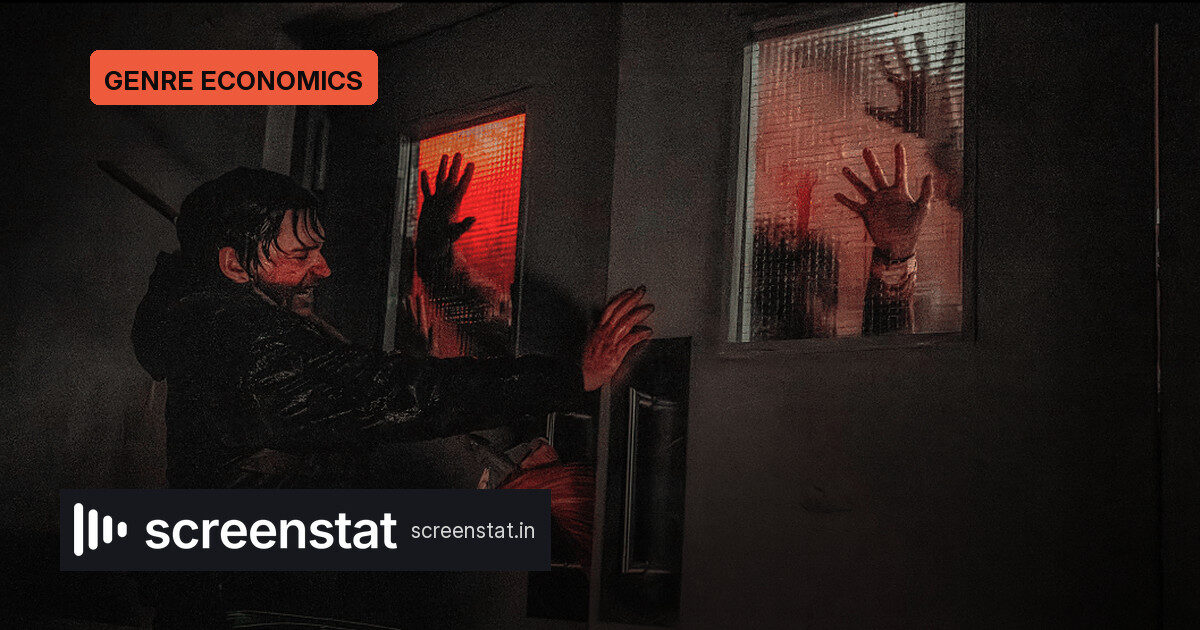
For years, horror carried a niche label. In 2026, the numbers tell a different story: the genre has become one of entertainment’s leanest growth engines, across film, television, streaming and games.
The box office reset
Two films directed by YouTube-native filmmakers, Backrooms and Obsession, have generated close to $1 billion in combined box office. The return is built on remarkably small budgets: Backrooms cost an estimated $10 million, while Obsession came in under $1 million.
Those two titles out-grossed established franchises including Star Wars and recent work from Steven Spielberg—despite costing a fraction of a typical blockbuster. Before them, Iron Lung, another YouTube-rooted horror film, passed $50 million without a major studio behind it. The pattern is hard to ignore: horror can now deliver blockbuster revenue on an indie risk profile.
Streaming turns October into a battleground
The fight for spooky-season subscribers has become explicit. Amazon’s Prime Video released a Mike Flanagan-directed remake of Stephen King’s Carrie. Netflix countered with Below, a six-episode sea monster thriller starring Josh Hartnett and Charlie Heaton. Peacock has Crystal Lake, a Friday the 13th prequel with Linda Cardellini; AMC Plus is running Yaga; and Disney Plus is airing the 13th season of American Horror Story.
Apple TV+ got ahead of the calendar by releasing the horror-comedy Widow’s Bay in April. The show won a record number of Emmys and has stayed on the platform’s most-watched list. Streamers rarely share full viewership data, but the programming investments themselves show where they expect subscriber acquisition to come from.
Games feed the pipeline
Capcom’s Resident Evil franchise shows how a new release and a catalogue can reinforce each other. Resident Evil Requiem has sold 8 million copies since its February launch, making it the 14th best-selling game in Capcom’s history. Six different Resident Evil titles have each sold at least 3 million copies this year.
Capcom described the dynamic as “a virtuous cycle in which sales of both new and past titles grow together.” Discovery is increasingly social: Twitch viewers watched 287 million hours of horror content between January and September, up 6 percent year on year. Indie horror games have become Steam bestsellers and source material for theatrical releases, including Iron Lung and Exit 8.
What the trend means for the business
- Horror’s low production cost lowers the downside of experimentation.
- YouTube, Twitch and fan communities now function as an R&D pipeline for studios.
- Success in one medium does not automatically translate: a game hit can still miss as a film.
Studios are already moving. A24 and Neon are developing competing films around the SCP Foundation universe, and Warner Bros. has acquired rights to Siren Head. Amazon’s exclusive deal with Flanagan and Xbox’s backing of Hideo Kojima’s OD point the same direction. Not every bet will land, but the cost of finding out is far lower than in most other genres.
The upside for marketers is discoverability: these projects often arrive with a built-in audience from YouTube, Twitch or creepypasta communities, which reduces the cost of building awareness.
Source: The Verge