
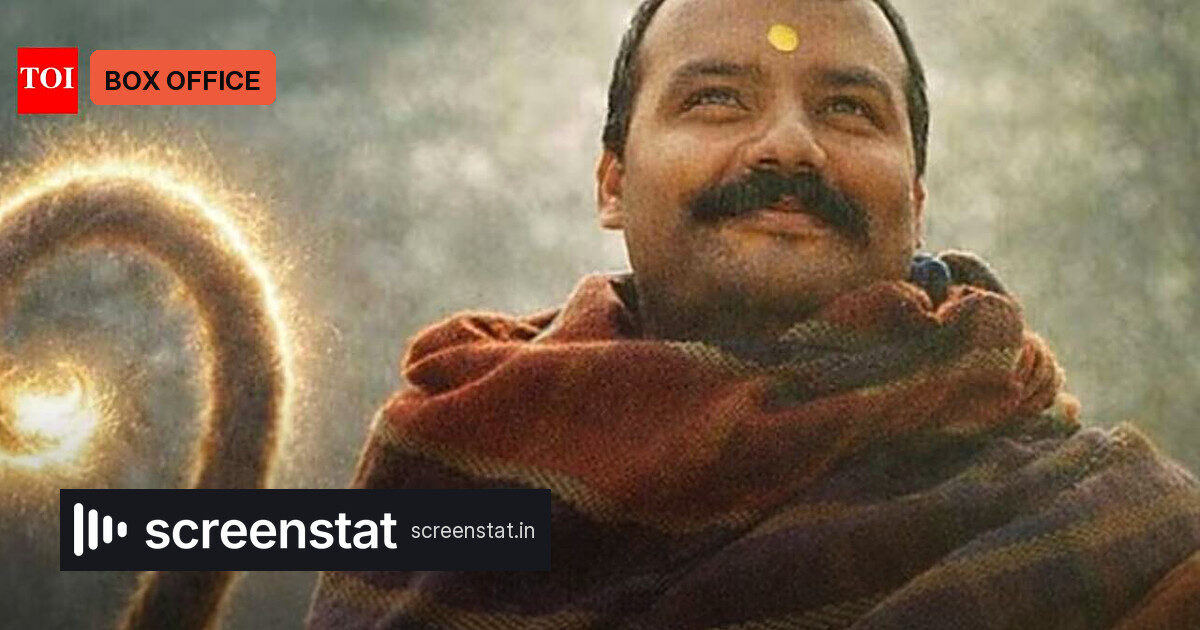
Two months into its theatrical life, Hanuman Ansh is still adding to its total. The Vishal Chaturvedi-directed devotional drama collected Rs 75 lakh in India net on Monday, October 5, its 60th day in cinemas, pushing worldwide gross to Rs 424.24 crore, according to Sacnilk data cited by The Times of India.
Day 60 by the numbers
The Monday number was 75% lower than Sunday’s Rs 3 crore, but the weekday holds give a clearer picture. The film ran 1,475 shows across India with 19% occupancy and recorded 47,033 footfalls. Its Hindi version reached 19.83% occupancy; evening shows touched 27.85%, far ahead of the 9.69% morning average.
- India net total: Rs 325.48 crore
- India gross: Rs 384.44 crore
- Overseas gross: Rs 39.80 crore
- Worldwide gross: Rs 424.24 crore
The reverse box office curve
Weekly collections reveal a rare demand pattern. Week 1 brought Rs 1.08 crore and Week 2 just Rs 40 lakh, then Week 3 jumped to Rs 10.40 crore, Week 4 to Rs 61 crore, Week 5 to Rs 90.25 crore and Week 6 to Rs 80.25 crore. Weeks 7 and 8 added Rs 44.80 crore and Rs 29.20 crore.
That is the opposite of a front-loaded blockbuster. It points to strong word-of-mouth and a steady theatrical expansion. For entertainment marketers, it means a devotional title can peak weeks after opening, so media plans should not be locked into the first weekend.
The weekday pattern also offers a scheduling cue. Evening shows at 27.85% occupancy are doing far better than morning shows at 9.69% and afternoon shows at 17.92%. If a film leans toward evening demand, trade marketing, showtime inventory and social pushes can cluster around that window instead of spreading evenly across the day.
The Kainchi Dham effect
The film’s story follows a boy in pre-Independence India who later becomes Neem Karoli Baba. Its box office run is now feeding interest in Kainchi Dham, the Uttarakhand ashram associated with him. Videos online claim devotees travelled after watching the film.
Chaturvedi responded with a video asking people to check local conditions first, saying, “we should all visit the place only after checking the situation there.” For destination and content marketers, this is a live example of a film creating offline demand—and a reminder that infrastructure and crowd management should be part of any surge plan.
Source: The Times of India