CBS and Australia’s Seven Network have ordered local versions of Stacks of Cash, a Fremantle-represented game show built around supersized stacking games familiar from mobile screens. CBS has commissioned a 10×60 run hosted by Emmy-nominated actor Mike O’Malley. Seven’s shorter 6×60 order does not yet have a host.
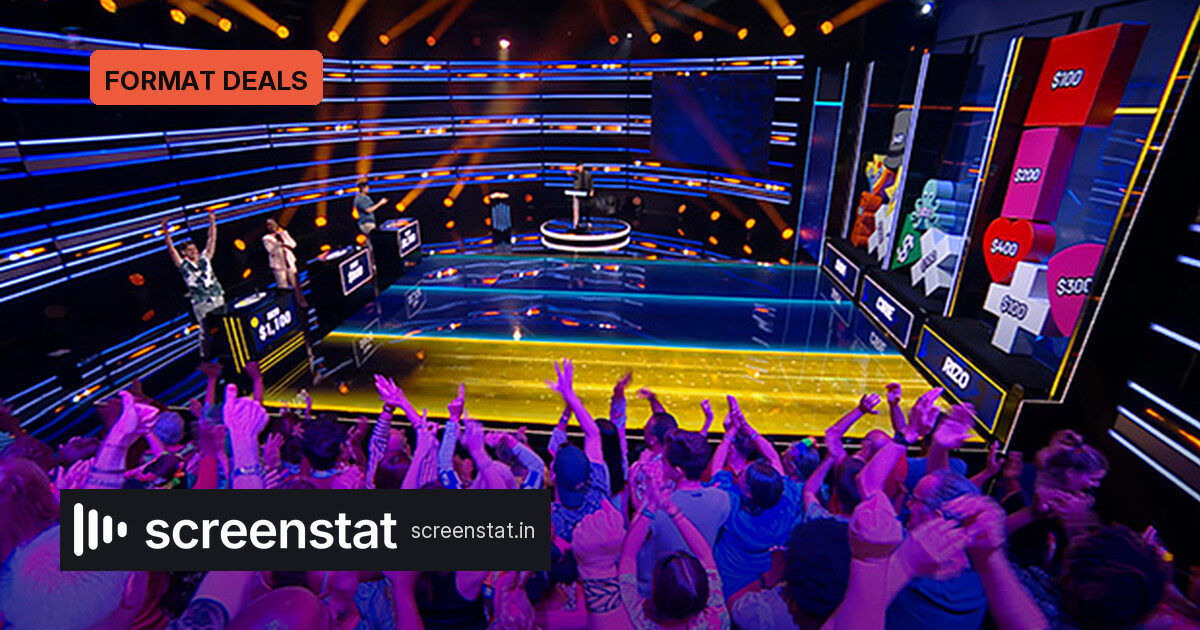
Created and produced by Eureka, the format asks six players to answer quick general-knowledge questions to win giant shapes, each marked with a cash value. They then use a giant claw to lower those shapes into a steadily wobbling tower. If the tower falls, the contestant is eliminated. More than 30 shapes—including a circle, a teddy bear and a top hat—make the outcome hard to predict.
Why broadcasters are buying phone-native formats
Unscripted commissioners need shows that viewers understand within seconds and that can fill hour-long slots without a scripted drama’s cost. Stacks of Cash turns a behaviour already installed on phones into a physical, high-stakes game. That familiarity reduces the marketing burden: audiences don’t need a trailer to explain the rules, and ad sales teams can sell it as family-friendly, skill-and-luck entertainment.
The production model is just as important as the mechanic. All three current commissions—CBS, Seven and Portuguese broadcaster TVI’s Linha D’Ouro, which ran 7×90 in its summer debut—are filmed at a dedicated Stacks of Cash production hub in Portugal. One hub, multiple territories, shared set capital. That is a direct answer to the old problem of rebuilding a giant set in every market, and it is likely to keep the format’s licensing price workable for broadcasters.
- CBS: 10×60, hosted by Mike O’Malley
- Seven Network: 6×60, host to be announced
- TVI Portugal: 7×90, local title Linha D’Ouro
Fremantle is taking the show to Mipcom in Cannes as part of a slate that includes Eureka’s new format The Tunnel and recent entertainment launches Handcuffed and Holey Moley. The pitch to international buyers is straightforward: mobile-style mechanics, physical stakes and a reusable production base.
What media teams should watch
For entertainment marketers and media planners, the commissioning pattern is the signal. A format travels fastest when it needs little explanation and the production model promises margin. The giant claw, the cash-labelled shapes and the falling tower also create natural sponsorship moments for family brands and quick-service advertisers looking for appointment viewing.
The next data point is Seven’s host choice. A local celebrity suggests a broad entertainment play; a quiz or reality host would signal a more competitive game-show slot. Either way, this is a live test of whether touchscreen habits can become scheduled co-viewing rather than solo screen time.
Source: C21media