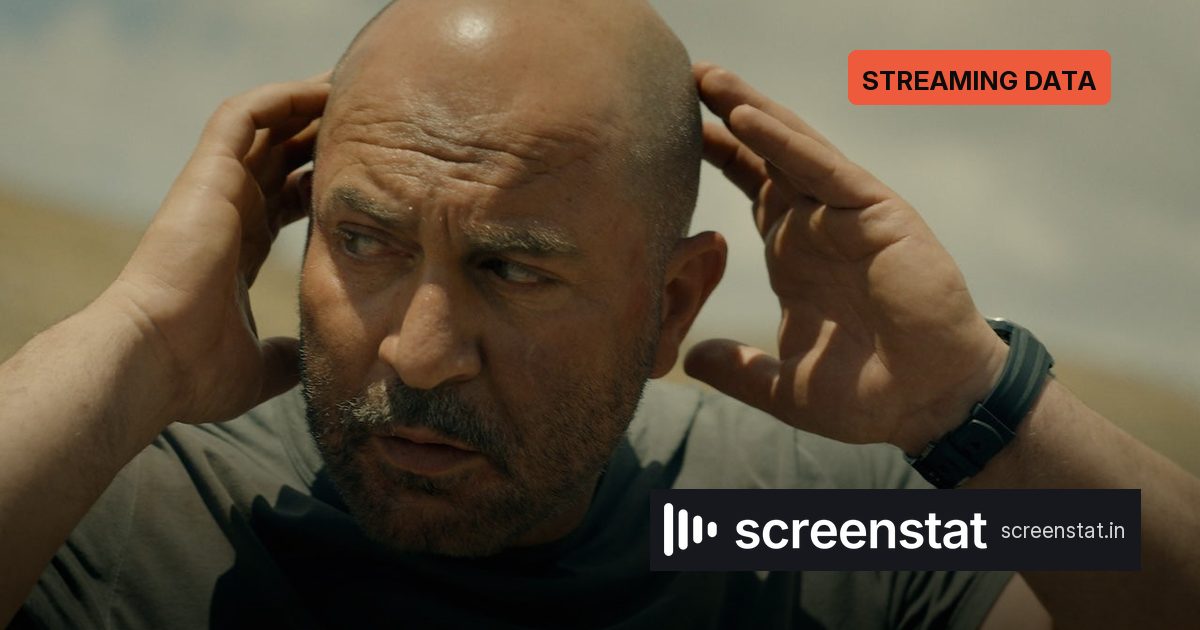
Netflix’s Fauda has turned its most politically charged season into its strongest chart performance yet.
The Israeli thriller drew 2.1 million viewers globally for the week of Sept. 7–13, according to Netflix data cited by TheWrap, landing at No. 4 on the streamer’s non-English TV list. That marks a series high for the show on the chart; Season 4 had peaked at No. 7 in January 2023.
Where the audience concentrated
The season appeared in the Top 10 in 41 countries, mostly in Europe and Asia, and reached No. 1 in Israel and Lebanon. Other Middle East markets where it charted include Bahrain, Jordan, Kuwait, Oman, Qatar and the UAE.
- 2.1 million global viewers in the Sept. 7–13 window
- No. 4 among non-English TV titles — up from Season 4’s No. 7 peak
- Top 10 in 41 countries
- No. 1 in Israel and Lebanon; also charted in six other Middle East markets
The Lebanon placement is especially significant because it lands while Israeli military operations against Hezbollah are underway. For streaming professionals, it is a reminder that regional conflict news can drive discovery for scripted titles that sit close to real-world events — not always linearly, and not always in the markets you would first assume.
Why the Oct. 7 storyline matters for the numbers
The 11-episode season is largely set in 2025, following the fallout from the Oct. 7, 2023 attacks, with two episodes flashing back to that day. A friend’s unsanctioned revenge mission in France pushes Doron, played by co-creator Lior Raz, into a dangerous undercover operation.
Co-creator Avi Issacharoff told Netflix’s Tudum that the creative team weighed whether depicting the attacks would cause more pain. Ultimately, he said, the writers went with “our truth — with our belief — that this is the right story to tell.”
Raz framed the release as an attempt to spark a conversation. According to TheWrap, he said he hopes viewers will “understand the price of war, how hard it is.”
What media buyers should watch
For entertainment marketers and platform planners, Fauda is a useful case of a non-English title converting a politically sensitive premise into measurable international reach without breaking into the US Top 10. The audience signal is regional and deeply engaged rather than broad and casual. That makes it less useful as a mass-reach buy, but highly relevant for campaigns targeting Middle East, European or Asian streaming viewers who respond to high-conflict, character-driven drama.
Source: TheWrap