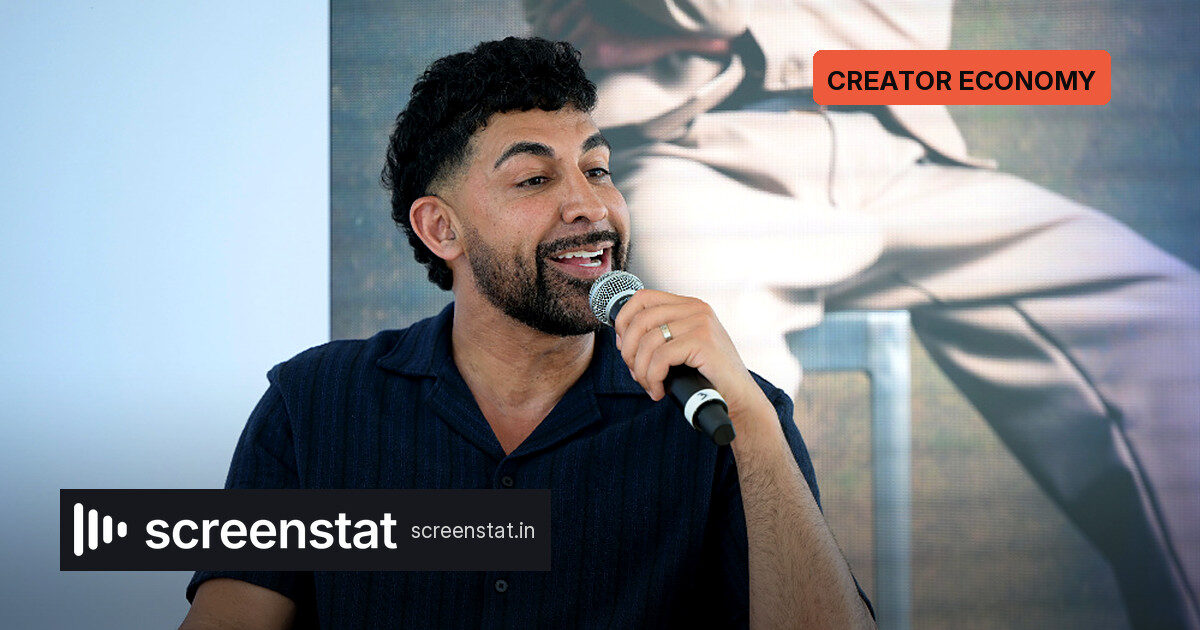
Dhar Mann used Mipcom to argue that the creator studio has outgrown the spare bedroom—and the legacy studio model. Mann, who has 170 million YouTube followers, is now selling scale, speed and branded sets as a package that traditional platforms are buying.
Creator City: from iPhone shoots to nine sound stages
The Los Angeles campus he has bought spans four acres and includes nine sound stages. Under the name Creator City, it will house about 175 sets and support around 15 simultaneous productions, with an opening planned during Super Bowl week.
Just as important is what the sets will look like. Mann said his current studio has unbranded sets because, five years ago, advertisers did not take YouTubers seriously. Creator City inverts that: sets will be built around real retail brands, and a group of founding partners will launch with the campus. His pitch is that brands can sit inside storytelling rather than interrupt it—commerce as part of the scene, not the ad break.
Speed is the product
Mann’s production claim is stark: Dhar Mann Studios can move an hour of digital content from script to screen in seven days, with the longest episodes taking about 21 days. That cadence already supports five half-hours of scripted programming a week.
The traditional partners are not signing up for more of their own model. Samsung TV Plus, where the studio is its first original creator and reaches over 100 million households, has ordered a new scripted show, “Unlikely Families,” following June’s “Unlikely Romances.” Fox is taking 40 vertical dramas, and Disney+ gives the studio a route to 135 million subscribers.
A monthly IP portfolio
From December, Mann plans to launch one new series a month on his own YouTube channel. The strategy replaces the expensive pilot-and-wait cycle with a portfolio test: make multiple series for what a legacy pilot budget might cost, release fast, and let audience reactions pick the winner.
CEO Sean Atkins framed the economics differently. He said it is wrong to call creator content cheap; it is “right size for the audience’s expectations and the economics of that platform.” That is the line media buyers should track—budgets are being matched to platform behavior, not to prestige production.
Why it matters
The revenue base is already shifting. Two and a half years ago, 95% of revenue came from YouTube and Facebook platform payouts; that share is now under 40% and is expected to fall to around 30% next year. For entertainment marketers, that means creator inventory is becoming less dependent on a single algorithm—and more attached to licensing, branded sets and platform deals.
- 170 million YouTube followers and five scripted half-hours a week.
- About 175 sets and 15 concurrent productions planned at Creator City.
- One new YouTube series every month starting in December.
The signal for the market is not that Dhar Mann is becoming a legacy studio. It is that the legacy studio’s economics—scale, volume and IP—are now available to a creator-led company without the old pilot overhead.
Source: Variety