The dispute
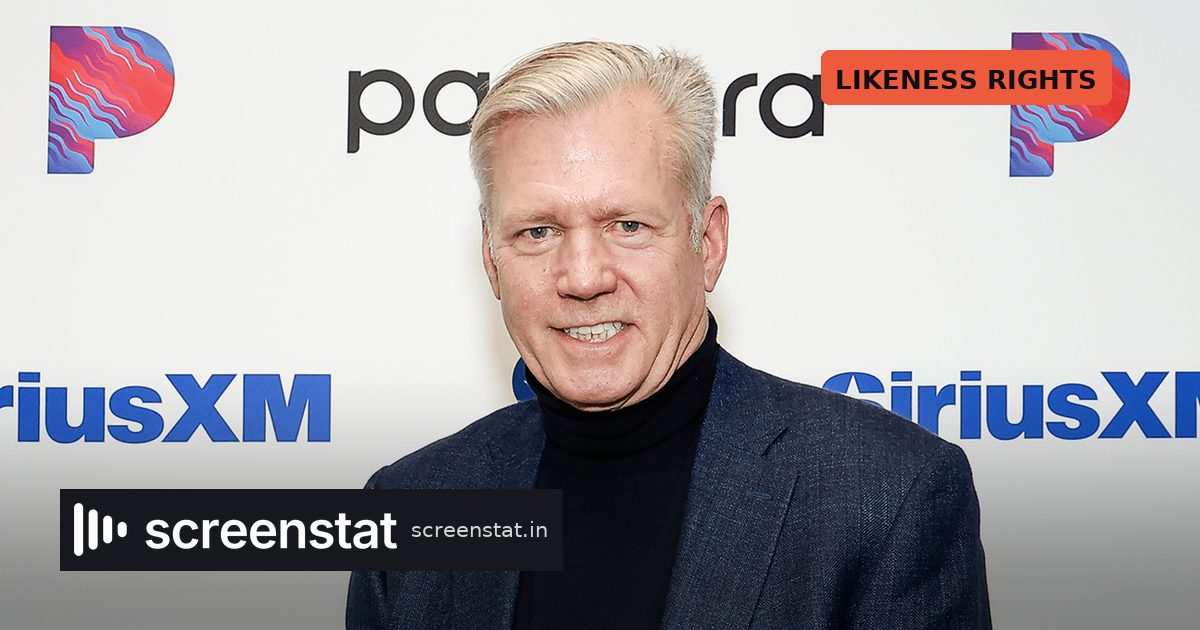
Chris Hansen has not seen Primetime, and says he will not sign a nondisclosure agreement to do so. That has not stopped the former NBC correspondent from calling A24’s film an “insult,” in an interview with The Hollywood Reporter conducted from Chicago, where he was presenting at the National Center for Victims of Crime conference.
The film, directed by Lance Oppenheim in his narrative debut and written by Ajon Singh, dramatises 2006 — the year Hansen’s hidden-camera stings for Dateline NBC‘s To Catch a Predator became a ratings phenomenon and, later, a legal liability. Robert Pattinson plays a fictionalised Hansen and produces; Merritt Wever plays his producer, with Skyler Gisondo and Phoebe Bridgers as decoys and former NBC chief Jeff Zucker appearing as himself.
Primetime premiered in competition at Venice on Sept. 5 to a roughly eight-minute standing ovation. Pattinson drew strong notices and early Oscar chatter; reviews of the film were more mixed. A24 opens it in select theatres on Sept. 25 before expanding in October.
The NDA, and the ad buy
Hansen says A24 would only screen the film for him if he signed an NDA he found unacceptably restrictive. Studio sources described it as a standard anti-leak agreement; legal experts who reviewed it for THR said the language went well beyond boilerplate. Hansen skipped the screening.
Then he did something more interesting than a lawsuit. As THR first reported, Hansen bought ad space for his true-crime streaming network, TruBlu, to run before every screening of Primetime for at least the first four weeks of release.
That is the part media planners should study. A studio is spending an awning of P&A to put a real person’s name in front of audiences; the person who owns the name is renting the last 30 seconds before the trailers to redirect that attention to his own subscription product. TruBlu has around 270 episodes produced over the last four years and drops a new one every Thursday, alongside the series Takedown and an in-progress documentary, I’m Chris Hansen, which Hansen says was underway before he learned of the film.
Why the legal route is narrow
Hansen says he has lawyers looking at options but is not obsessing over it, and openly wonders aloud whether commercial use of a name amounts to something like identity theft. As a business matter, the odds are against him:
- He is a public figure, so the defamation threshold is high, as he acknowledges.
- Courts have given dramatisations of real people wide First Amendment latitude — in De Havilland v. FX Networks (2018), a California appeals court tossed Olivia de Havilland’s suit over Feud.
- Daryl Hannah made a similar complaint in a March New York Times op-ed about her portrayal in FX’s Love Story, calling it not remotely accurate — and asked the same open question about recourse.
A24, in Hansen’s account of their correspondence, took the position that the film is loosely based on his work and required no consultation or permission. Hansen’s counter is commercial rather than legal: the name has value, and that is precisely why it was used.
What it means for the business
Unauthorised dramatisation is now a standing production category — cheap IP, built-in search demand, festival prestige. The countervailing trend is that subjects increasingly have their own distribution. Hansen has a network, a podcast slate and a documentary pipeline; he does not need a court to answer a studio, only inventory.
For marketers, the lesson is that cinema pre-roll and search terms around a title are contestable. For studios, the calculation is changing: the cost of skipping a consultation may no longer be a lawsuit, but a competitor advertising inside your own release window.
Hansen also disputes the film’s substance — that the stings crossed into exploitation, that they were his consuming obsession, that he has regrets about the November 2006 Texas case that ends the film. He says he has won 10 Emmys, none for the Predator series, and that the investigations continue.
Source: The Hollywood Reporter