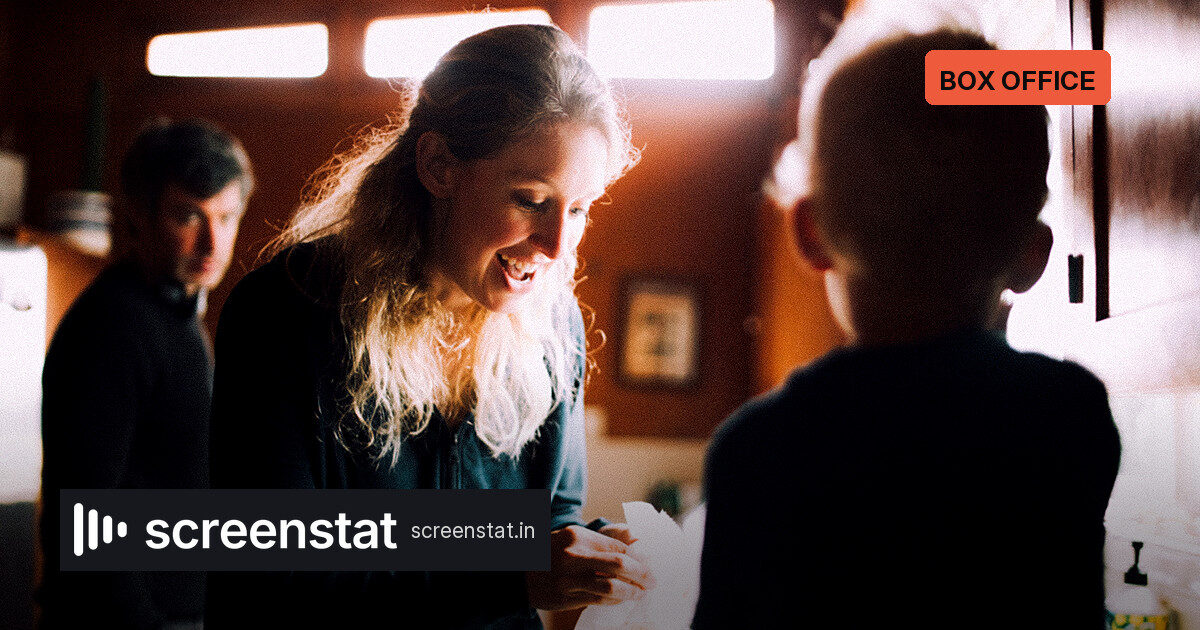
A24 turned a secret, three-hour documentary about disgraced Theranos founder Elizabeth Holmes into a $15 million limited-release opening, with more than 2,000 sellouts and queues around blocks. The film, You Can See Everything, is co-directed by Nathan Fielder and Lance Oppenheim, with Fielder also appearing on screen.
The debut is the second-biggest domestic opening for a documentary, behind only Fahrenheit 9/11‘s $23.9 million in 2004. It is also the strongest opening for a film playing in under 1,000 locations since Borat‘s $26.4 million in 2006. Those comparisons matter because this was not a wide saturation play; A24 deliberately kept it tight.
- $15M opening weekend, domestic, in under 1,000 locations
- 70% of the opening audience was under 25; 56% men, 44% women
- 44% attended with a partner, spouse, girlfriend or boyfriend
- 99% critics and 98% audience scores on Rotten Tomatoes; 4.8 on Letterboxd, its highest ever
- 91% definite recommend in PostTrak exits
Memes replaced the media plan
A24 did not buy sports advertising for this release, a notable break from how tentpoles typically open. It had used sports spots for Backrooms, which opened to $81.4 million in late May. For You Can See Everything, the studio leaned into secrecy: a surprise world premiere at Telluride on Sept. 6 with the teaser dropping as the screening began, followed by a trailer on Sept. 23.
Fans then did the marketing. The studio’s approach is to keep the sell cool and let young viewers take ownership of the material. The resulting meme wave echoes the Barbenheimer run-up, with Kermit and Miss Piggy as Fielder and Holmes and Holmes’ wide-eyed image circulating online. A24 says the trailer is its second most-viewed ever, after Backrooms.
The trailer opens with Fielder asking Holmes, “You really feel you did nothing wrong?” She replies, “I did not.” That exchange condenses the film’s appeal: a deadpan interviewer prodding a convicted founder who swindled hundreds of millions of dollars.
Why it matters for screen marketers
The film’s demographic mix is the headline for media planners: 70% under 25, with nearly half attending as a date-night event. That is not the usual documentary profile. The three-hour runtime did not deter them; the noir styling, score and third-act twists made it feel like an event, not homework.
The film is being positioned as an Empire Strikes Back-like sequel to Alex Gibney’s 2019 HBO documentary The Inventor: Out for Blood in Silicon Valley, and it arrives after Hulu’s Emmy-winning scripted series The Dropout kept Holmes in the cultural conversation. That existing familiarity likely lowered the barrier for a three-hour documentary.
A24 kept the release limited to make tickets a prized fetch. Top markets were New York, Los Angeles, San Francisco, Chicago, Boston and Seattle, with San Francisco’s Kabuki theatre leading locations, which fits the tech-audience draw. The real test comes next weekend, when the film widens. For distributors, the case study is clear: scarcity, secrecy and fan ownership can open a documentary like a franchise film, but the wider run will show whether cultural heat converts into sustained ticket sales.
Source: Deadline