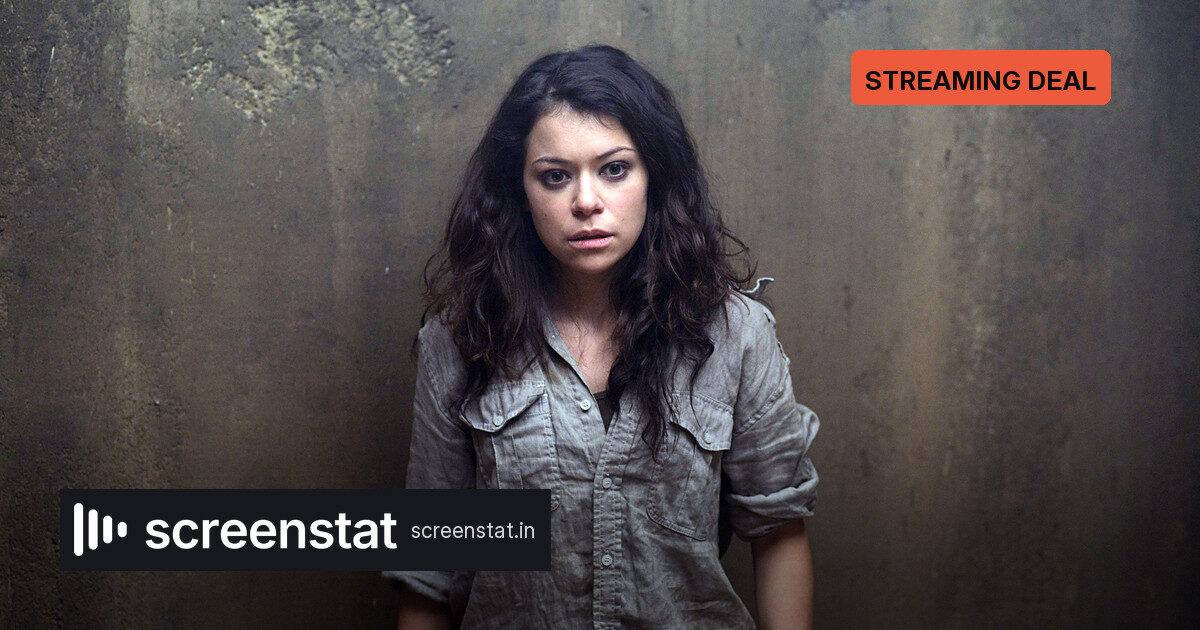
Boat Rocker Studios has placed all five seasons of the sci-fi drama Orphan Black on two major U.S. streaming services at once. The new co-exclusive agreements make the complete series available on HBO Max and Peacock, closing a fresh licensing chapter for a title that first premiered in 2013.
What moved
The series, headlined by Emmy winner Tatiana Maslany, follows Sarah Manning after she witnesses the suicide of a woman who looks exactly like her and discovers she is part of a group of clones. Over five seasons, the show built a loyal audience and won the 2014 Peabody Award for Drama. Boat Rocker Studios produced the series with BBC America and CTV Sci-Fi Channel. In the U.S., Boat Rocker and BBC Studios distribute jointly; BBC Studios handles international sales.
Under the new arrangement, HBO Max and Peacock are not competing for a single exclusive window. Both platforms now carry the full run at the same time. That makes the deal a library play: two services share access, which typically lowers the per-platform cost and widens the title’s reach.
Why co-exclusive matters
In the early streaming wars, exclusivity was the default because a distinctive catalogue was a reason to subscribe. For an older title with an established fanbase, the math changes. Co-exclusive licensing lets a distributor monetize without making one platform bear the entire premium, while streamers get proven content that can support retention rather than drive a big launch.
- All five seasons are now live on both HBO Max and Peacock.
- Neither platform gets a point of differentiation from this title.
- The deal shows library content is being priced for engagement, not splashy acquisition.
The library math
A title like this is closer to syndication than to a new release. The production cost is already sunk, the audience is known, and the licensing fee is likely far below what a new original would command. For HBO Max and Peacock, that makes Orphan Black useful shelf stock: it adds depth for genre fans without the marketing burden of a premiere. For Boat Rocker, splitting U.S. rights across two buyers can raise total revenue while keeping the franchise visible.
For streaming teams, the takeaway is not to treat every title as a zero-sum exclusive. A co-exclusive window can be the right tool for catalogue, even if it would be unthinkable for a marquee original.
The planning read
For media planners and streaming marketers, this is another signal that catalogue titles are being treated as always-on inventory. A critically acclaimed show with a dedicated fanbase can keep subscribers engaged between marquee releases, and co-exclusive rights make it easier to buy or sell at a lower cost. The counterpoint is that when the same show sits on rival apps, no single service can claim it as a reason to switch.
There is no new season or reboot attached to this move. The announcement is a licensing event, but it shows how a decade-old franchise still clears space on two major U.S. platforms.
Source: Deadline