The New York Times has picked up Joshua Oppenheimer’s new short documentary for its Op-Docs platform, with MUBI joining to co-release the film worldwide in early December.
What the deal covers
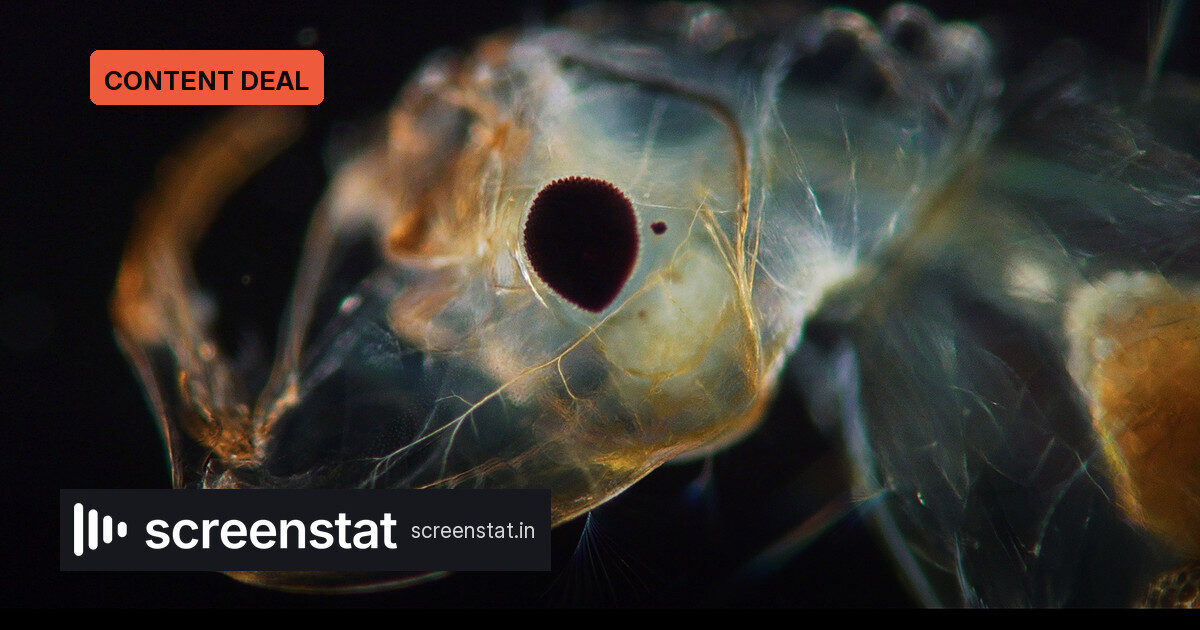
The Revolution Against Death is set at the Revolution Against Aging and Death Festival, an annual longevity conference. It premiered at the Tampere Film Festival in Finland and recently screened at Telluride, with a Chicago International Film Festival screening set for Saturday and an IDFA slot in Amsterdam next month.
Oppenheimer frames the film personally. “Haunted by a fear of death since I was a child,” he writes, “I traveled to a gathering of would-be immortals.” His takeaway: “because nothing lasts, everything matters.”
For Op-Docs, the film joins its 2026 slate of awards contenders, which also includes Sundance animation winner Living With a Visionary and Krakow winner The Tuners.
Why the two-platform release matters
The arrangement pairs editorial prestige with a specialist streaming audience. Op-Docs brings an Oscar-winning short-film track record and a library of more than 450 shorts; MUBI contributes global distribution and a curated film subscriber base. For platform and distribution teams, this is a clean example of splitting roles instead of letting one window do all the work.
- It joins seven other films on Op-Docs’ 2026 awards-contender slate.
- The festival route supplies proof: Tampere, Telluride, Chicago and IDFA.
- Early December release sits inside the awards-contender window.
- Oppenheimer’s first-person hook gives the film a line beyond its subject.
What programming teams can borrow
Niche documentaries can struggle to earn attention without a recognizable subject. The workaround here is to lead with the filmmaker and the journey: Oppenheimer’s childhood fear of death turns an observational conference film into a personal essay. Op-Docs executive producer Alexandra Garcia described the film as “a haunting, observational look at the fundamental human conflict between the reality of death and the relentless drive for immortality.”
Oppenheimer’s broader profile — two Oscar nominations, a MacArthur Fellowship, and the 2024 fiction feature The End — reduces the marketing burden for both platforms. The film doesn’t have to explain who made it; it has to explain why now.
For buyers, the Op-Docs-MUBI split also suggests short-form docs can be positioned like festival titles rather than disposable digital clips. A short film with a global co-release and a known director can generate awards conversation, subscriber value and press coverage at once.
Source: Deadline