South Africa’s production incentive machinery is moving again after a two-year standoff. At the Durban FilmMart, the Department of Trade, Industry and Competition said it had mostly cleared the unpaid rebate claims that producers blame for pushing the local film and TV business to the edge.
The unfreezing
Nelly Molokoane, DTIC director of film and television production, told delegates: “The department is back in business.” The agency is now working through applications and claims dating back to 2024.
The figures explain why the statement landed. The DTIC says it has paid off most of a nearly R2 billion ($121 million) backlog and has roughly R1.5 billion ($91 million) lined up to fund the 25% cash rebate through 2029.
What stalled and what it cost
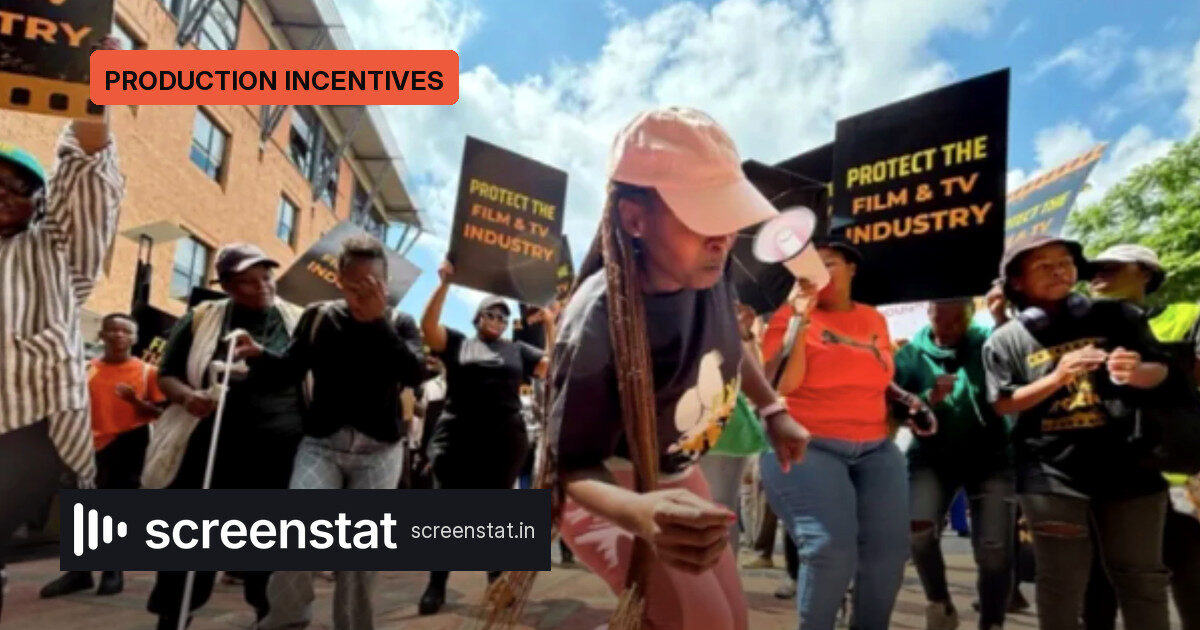
For more than two years, producers said the rebate programme had effectively stopped working. Industry bodies rallied under the Save SA Film and TV Jobs Coalition, and payment delays became a working-capital problem. Producer Paul Buys of Rose and Oaks Media described projects with claims that have gone unpaid for “two, three, four years later.”
The costs were not small:
- Nearly R2 billion ($121 million): the unpaid claims backlog, most of which is now cleared.
- Roughly R1.5 billion ($91 million): funding secured through 2029.
- 25%: the cash rebate rate on qualifying spend.
- Thousands of jobs and hundreds of companies: the scale of damage producers described.
Why it matters beyond South Africa
The crisis hit while the exhibition sector was floundering, global streamers were cutting local investment, and public broadcaster SABC could not keep the production pipeline full. For media planners and platform executives, this is a location and budgeting variable, not a local policy story.
For buyers, the lesson is to separate headline incentive rate from payment reliability. A 25% rebate that arrives late is not a 25% saving on the day the budget is due; it is a receivable that has to be funded until the claim clears.
Delon Bakker, chairperson of the Independent Producers Organization, gave the sector’s cautious read: “The worst is over.” Progress is real, he added, even if the pace is unclear.
What to watch next
The open question is design. The incentive could stay as a modified cash rebate, become a tax-credit scheme, or take another form. Big World Cinema producer Steven Markovitz warned that it will take time to rebuild certainty and trust internationally.
Producers also treat the crisis as a reason to reduce dependence on any single subsidy. Markovitz said the industry is looking at “other ways to try and break that dependency” on state rebates.
Source: Variety