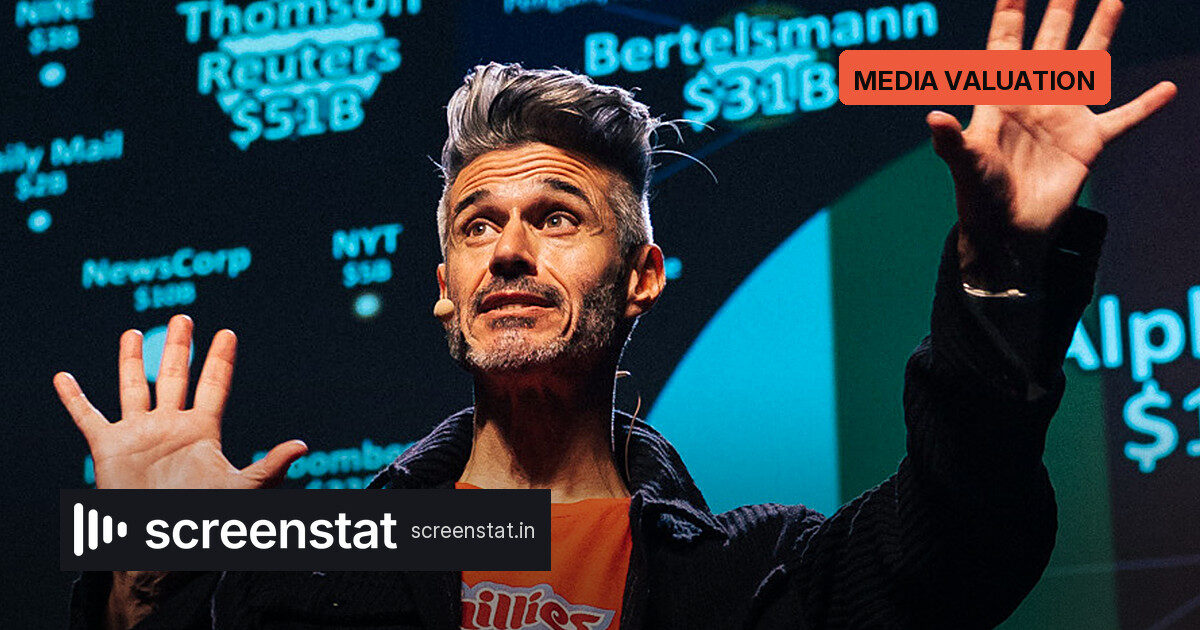
The new-look Skydance is worth far less than the price that created it, according to media analyst Evan Shapiro. Speaking ahead of MIPCOM Cannes, he puts Skydance’s net asset value at just $29 billion, well below the $111 billion that David Ellison’s Paramount paid for Warner Bros Discovery.
Where the value disappears
The gap is debt, not content. Skydance assumed $81 billion in debt on day one of trading, Shapiro says, and its ties to major shareholder Oracle add another layer. Oracle is carrying more than $160 billion in long-term debt, largely driven by AI investments.
“No one in their right mind would buy the $81B in debt they are carrying,” Shapiro said. He added that the combined Skydance-Oracle debt sits around $240 billion, “a good portion of which is either junk or a millimeter above junk.”
“The fortunes of Skydance and Oracle are now intrinsically intertwined,” Shapiro said.
A media map built for the user era
Shapiro is using the moment to launch the first interactive version of his Media Universe Map. The app lets users compare today’s entertainment and tech ecosystems with past years.
- Tech remains top-heavy: Nvidia leads the overall map at $5.3 trillion, ahead of Apple at $4.9 trillion.
- Pureplay streaming leader: Netflix is valued at $293 billion, above Disney’s $187 billion.
- Debt-adjusted reality: Skydance’s $29 billion valuation is barely above Fox’s $25 billion, and Fox is set to almost double once its Roku deal closes.
The map’s 2026 snapshot underlines the gap between tech balance sheets and pureplay media. Reliance, which houses Disney-backed JioHotstar, is valued at $164 billion, and Sony at $144 billion — though both carry large non-media businesses. Comcast sits at $73 billion, while Oracle is at $429 billion.
Why it matters for media planners: a company can look enormous in reach while carrying a balance sheet that restricts programming, marketing and pricing moves.
What to watch next
Shapiro argues the bigger structural shift is from C-suite-controlled media to a “user-centric era,” where consumers control distribution and attention. For ad buyers, the real signal is not headline market cap but whether debt-heavy owners cut content investment or push for aggressive monetisation.
Source: Deadline