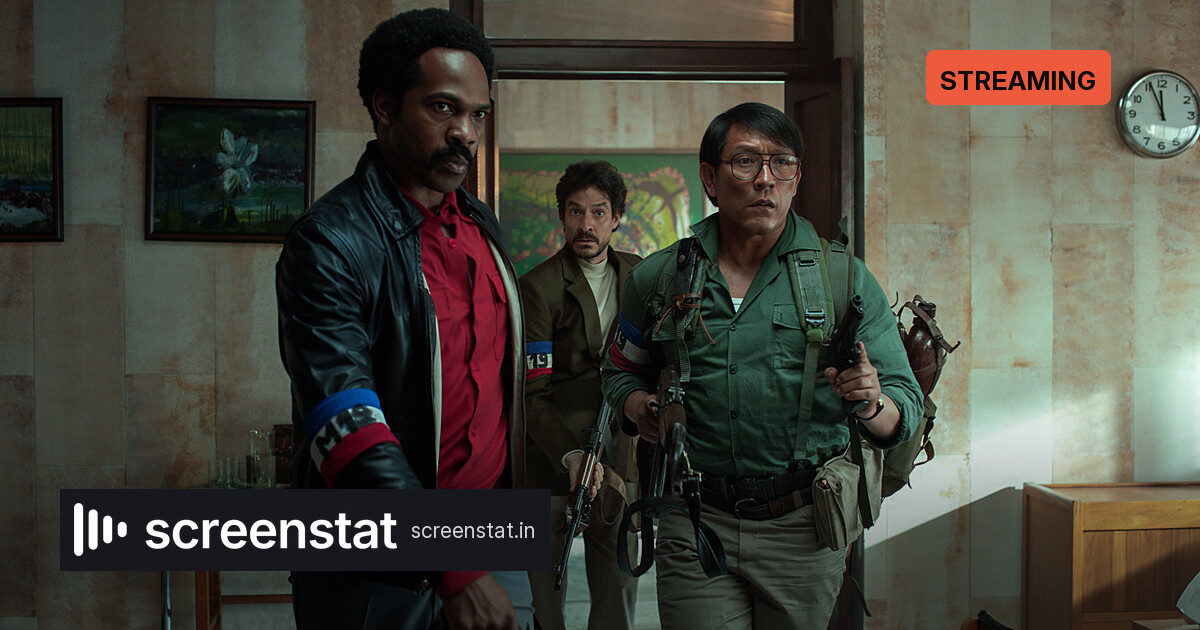
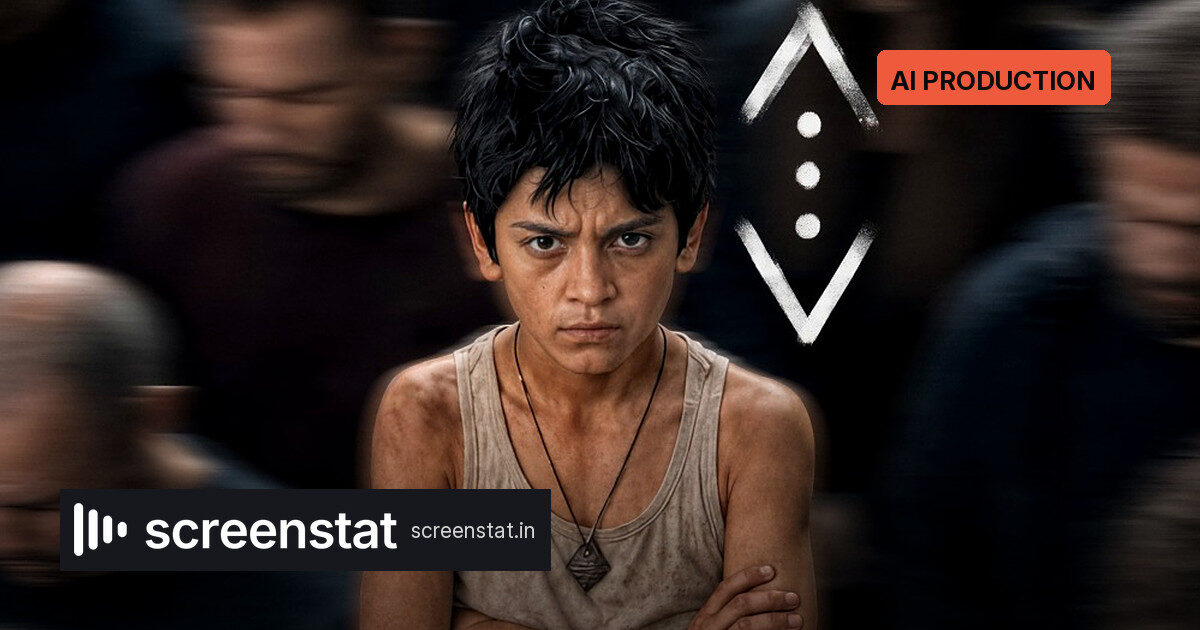
Prime Video has taken global rights to “Çukur: Vartolu”, an AI-generated movie spun off from Ay Yapim’s Turkish crime drama “Çukur,” sold internationally as “The Pit.”
The film comes from AI Yapim, the Singapore-based artificial intelligence studio Ay Yapim launched. It is the studio’s second title on Prime Video, following August’s “Castle Walls,” which was billed as the first end-to-end AI show on a major global streamer.
The number behind the bet
The original “Çukur” has aired in 105 countries since its 2017 premiere and its official YouTube channel has passed 6.4 billion cumulative views. That is the asset Prime Video is now attaching an AI-native spin-off to.
“Çukur: Vartolu” does not revisit the main series. It is an origin story for Vartolu Sadettin, the Koçovalı family’s illegitimate son, moving between his childhood in Doğubeyazıt, eastern Türkiye, and a confrontation in Istanbul years later. The film carries the tagline “No one is more dangerous than a man with nothing left to lose.”
Human performance, AI visuals
Ay Yapim’s statement is precise about the production model: every frame was generated with AI, from faces to settings. But the acting is human. Actors performed the scenes, and AI generated the characters over their movement, timing and expression. All dialogue was recorded by human voice actors.
That hybrid is the commercial signal for streaming buyers. It keeps performance costs and talent relationships intact while shifting visual production to a generative pipeline.
From experiment to franchise
The first AI Yapim title, “Castle Walls,” comprised two 15-minute episodes and told an original story. With “Çukur: Vartolu,” the studio is applying the same approach to an established drama franchise with a proven global audience.
That is the core experiment here. “Çukur” built its audience as a conventional live-action drama, with no AI in the original production. Now a prequel arrives with AI-generated faces, settings and visuals layered over human performances.
For entertainment marketers and streaming executives, the announcement is less about one film than about a production model being tested at franchise scale. A platform gets a new title attached to a known IP; the studio gets proof that AI-native output can travel globally; viewers get the first real test of whether they can tell—or care—about the difference.
- AI-native production moves from a two-episode experiment to known IP.
- Distribution is already secured through a major global streamer.
- Human actors and voice talent remain part of the workflow.
- The open question is whether the existing live-action audience accepts AI-generated visuals.
For media planners and content teams, the practical read is to watch how Prime Video positions the title: as a “Çukur” event, an AI showcase, or both. That framing will shape how buyers value similar AI-led library extensions.
The audience verdict will show up quickly in engagement and completion data. If the spin-off holds attention against the original live-action series, the field gets a new template.
Source: Variety