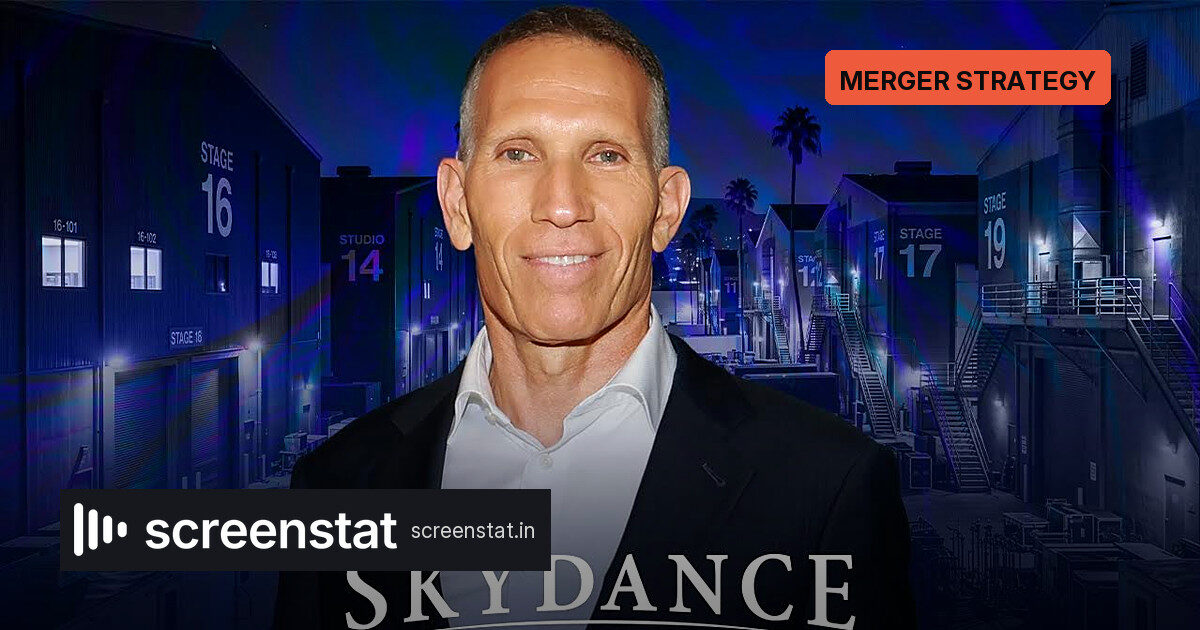
Ynon Kreiz has taken on the least glamorous job in the new Skydance: making the merger work. The former Mattel chief, credited with pulling the toymaker back from a financial spiral and rebuilding it around franchises, is now co-CEO alongside David Ellison. Ellison keeps long-term strategy, creative direction, talent relationships, technology and capital allocation. Kreiz gets day-to-day management and integration of the combined businesses.
For media planners and film-business readers, the appointment is a clear signal: Skydance’s next act will be judged first on costs, debt and structure before it is judged on the slate.
A turnaround playbook with a mixed ending
At Mattel, Kreiz cut roughly $1.5 billion in operating costs and thousands of jobs. He pushed the company from traditional toymaker toward an IP-driven model spanning film, licensing, consumer products and games. The 2023 “Barbie” hit validated the thesis, and Kreiz framed the shift in audience terms. “Once you know you have fans, it’s an audience; it changes the conversation,” he said in 2023.
But the Mattel scorecard is not clean. The stock is down about 15% over five years and closed Monday at $16.05, only slightly above where it was when Kreiz joined. “Masters of the Universe” turned into a box-office miss, and analysts note Barbie sales have stayed flat or declining—so the IP strategy produced one cultural high-water mark without a repeat.
The numbers that will define the next 18 months
The combined company has projected more than $6 billion in merger cost savings in the first three years, with the majority from non-labor sources. Layoffs are still expected to be severe; a Los Angeles County-commissioned study forecasts the merger could affect nearly 4,500 local film and TV jobs over three years.
- Roughly $80 billion in combined debt to service at high rates.
- $6 billion-plus in promised merger savings over three years.
- $300 million a year minimum in domestic film and TV production, plus workforce-training and independent-film fund commitments.
Needham & Co. analyst Laura Martin says the first test is debt. The equity story only works if leverage falls quickly and the company can manage its load through the next 18 months.
The co-CEO risk
The structure itself is a live experiment. Netflix and Spotify have made co-CEO setups work, but BlackBerry, Oracle, Chipotle and Salesforce have abandoned them. David Ellison called Kreiz a “partner with strong leadership and the operating firepower this integration demands,” yet analysts caution that a co-CEO only functions if responsibility comes with genuine decision-making power. Because Ellison remains the owner and majority shareholder, the risk is that Kreiz’s authority gets second-guessed exactly when the company needs speed.
Kreiz and Ellison are expected to outline their vision to the press Tuesday evening. That will be the first real market test of how much authority the new structure actually grants.
Source: TheWrap