Somewhere in a cupboard, for roughly three decades, sat the behind-the-scenes footage that Seamus McGarvey shot on the set of Derek Jarman’s 1991 film Edward II. McGarvey went on to become one of the industry’s most in-demand cinematographers. The rushes stayed put. They have now been cut into Queer Edward II, a 97-minute documentary directed by Theo Rollason, which Variety has reviewed as an immersive and unusually unsentimental portrait of the New Queer Cinema pioneer.
What Rollason did — and didn’t — do
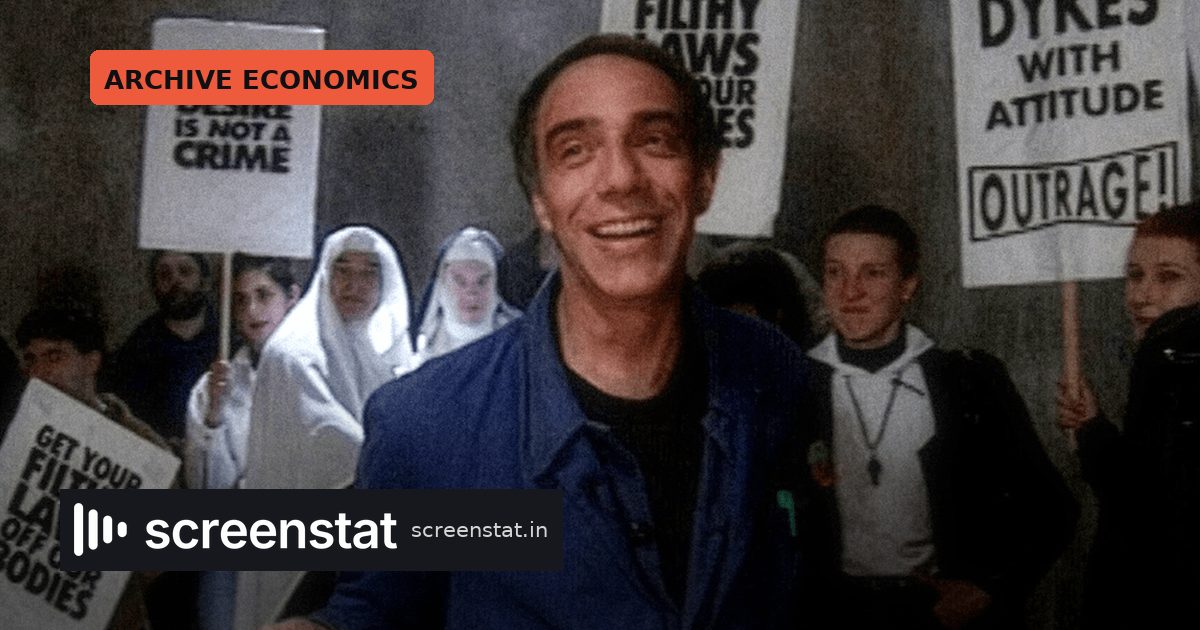
The editorial decision that matters here is a negative one. Rollason did not shoot fresh talking heads, despite a roster of high-profile executive producers who, by the review’s account, would almost certainly have sat for interviews. Instead he shaped McGarvey’s material with co-editor Nicole H\u00e1lov\u00e1, with input from editor Joe Bini, and layered in contemporaneous archive: magazine talk shows, arts programmes, and news reports on the gay rights movement of the era.
The result reads as a period document rather than a retrospective. Jarman is seen mounting the riot sequence in Edward II using members of the activist group Outrage as extras, intercut with footage of a real protest against proposed anti-gay legislation. Elsewhere, Outrage-affiliated extras — including the Sisters of Perpetual Indulgence, who nicknamed Jarman “Saint Derek of Dungeness” — spill into the neighbouring studio where Cliff Richard was recording, demanding he come out.
Why archive-first is a format, not an accident
For anyone commissioning or acquiring non-fiction, the economics of this approach are worth reading closely. A documentary built on already-shot material sidesteps the two biggest line items in modern doc production: original shoot days and celebrity interview scheduling. What it substitutes is research time and rights clearance — both real costs, but far more predictable ones.
The structural advantages for a streaming catalogue:
- Cost profile. No principal photography. Budget concentrates in edit, archive licensing and music clearance.
- Built-in library synergy. A doc about a 1991 film is a demand driver for that 1991 film. Bundle the two and you get two titles’ worth of engagement from one commission.
- Long shelf life. Archive docs don’t date the way trend-chasing series do. They sit in catalogue and keep earning.
- Festival-to-platform pathway. Critical notices like this one do the marketing work that a paid campaign would otherwise have to fund.
- Talent value without talent fees. Tilda Swinton, who played Queen Isabella; Annie Lennox, filmed performing Cole Porter’s “Ev’ry Time We Say Goodbye”; costume designer Sandy Powell, briefly interviewed on set — all present, none newly booked.
The funding footnote worth noting
The review makes one point that cuts against easy nostalgia. Yes, public money via the BBC once flowed to genuinely experimental work like Jarman’s. But the film shows a production office stretched thin, unionised extras pressing for expenses, and a make-do-and-mend crew. Public funding for the avant-garde was real; it was not generous. That’s a useful corrective for anyone arguing about subsidy models today — the freedom was the asset, not the budget line.
What to watch for next
The wider signal here is that the vaults are being read as inventory. Behind-the-scenes reels, unaired interviews and abandoned EPK material from the analogue era are sitting in production company storage across markets, including India, where decades of set photography and video from the 1980s and 1990s has never been catalogued, let alone monetised. Any rights holder that indexes its physical archive now is building a low-cost commissioning pipeline for the next five years.
Jarman died roughly two years after Edward II was released, having completed two further features while living with an HIV diagnosis he had carried for more than five years by the time of the shoot. The documentary, per Variety, refuses the eulogy framing entirely. That’s a creative choice — but it’s also why the film travels beyond the specialist audience that a memorial piece would have reached.
Source: Variety