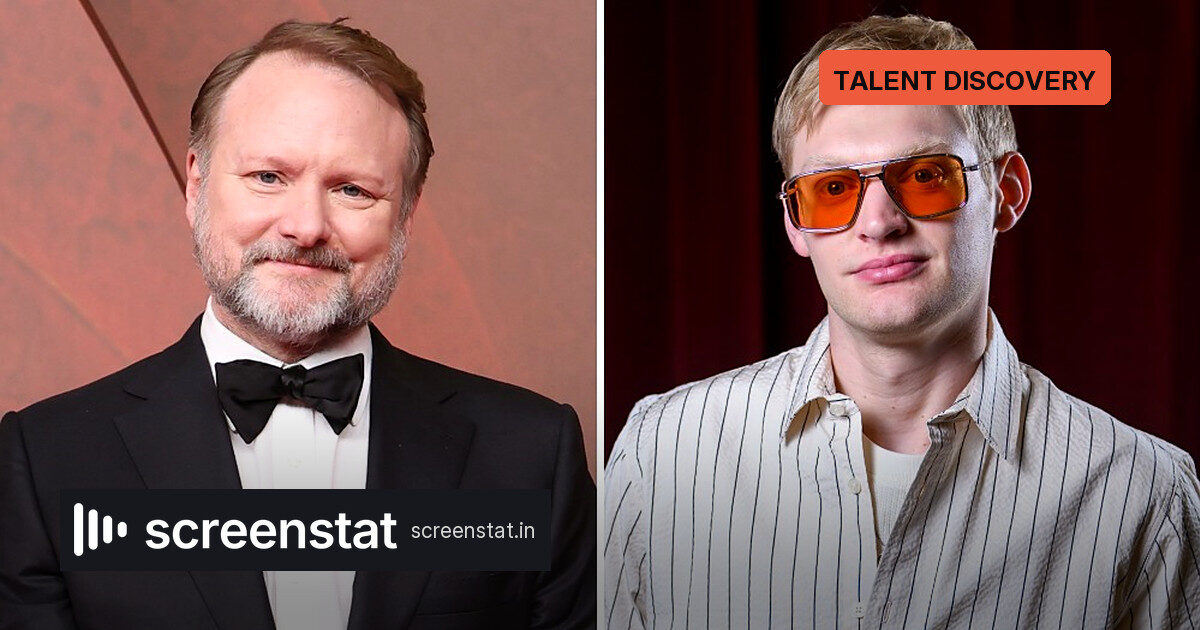
Rian Johnson is betting on YouTube as the modern discovery engine for early-career filmmakers. At the Marrakech Film Festival on Sunday, the Knives Out director described the platform in terms indie veterans usually reserve for Park City: “YouTube is just what Sundance was in the ’80s.”
For an industry still debating whether creator-led filmmaking is a sideshow, the comparison is a signal. Johnson’s argument: distribution has fragmented, but the core job of a debut filmmaker has not — put the work where audiences can find it.
The proof point: Curry Barker
Johnson pointed to 27-year-old director Curry Barker as the model. Barker built a following with comedy partner Cooper Tomlinson on the YouTube channel “that’s a bad idea” before shifting into horror. His 2023 short The Chair drew millions of views, but the real breakout was Milk & Serial, a found-footage feature made for just $800 and released free on YouTube in 2024.
- 2023: The Chair builds a horror audience on YouTube.
- 2024: Milk & Serial, made for $800, goes viral for free.
- 2025: Barker signs with UTA; Obsession premieres at TIFF and lands Focus Features.
- May 2026: Obsession opens theatrically as a microbudget breakout.
The line from a free YouTube upload to a Focus Features theatrical run is the new version of the festival discovery pipeline. Barker is not an isolated case: Kane Parsons turned his viral “Backrooms” videos into an A24 feature, and studios and agencies are watching creator-made shorts as early signals of audience demand.
Why this matters for buyers
For media planners, streamers and studio marketers, the takeaway is that YouTube is operating as a low-cost research layer. A short that performs with a horror or genre audience has already answered the hardest question at the front of a campaign: does this connect? The theatrical release can then be marketed to an audience that has already been warmed, not built cold.
Johnson was careful not to dismiss festivals. His own debut, Brick, premiered at Sundance in 2005 and won a special jury prize after he spent eight years trying to get it made and shot it in 19 days. His point is that the platform matters less than the work; he called a film that genuinely connects “the gold coin that everybody is searching for,” and said more routes to reach an audience are better.
Bottom line
The story here is not that YouTube is replacing Sundance. It is that the threshold for proof has moved. A festival badge is no longer the only credible signal for a first-time filmmaker, and a viral short is no longer a novelty. For the business, development conversations can now start earlier, with data already attached.