Expectations for a new Avengers: Doomsday drop hit fever pitch after Hayley Atwell told fans in New York on Friday night that “there’s a new trailer dropping on Monday.” Her aside — “am I allowed to have said that?” — set up November 23 as the next checkpoint in a campaign that has been running for nearly a year.
A year of clues, not just trailers
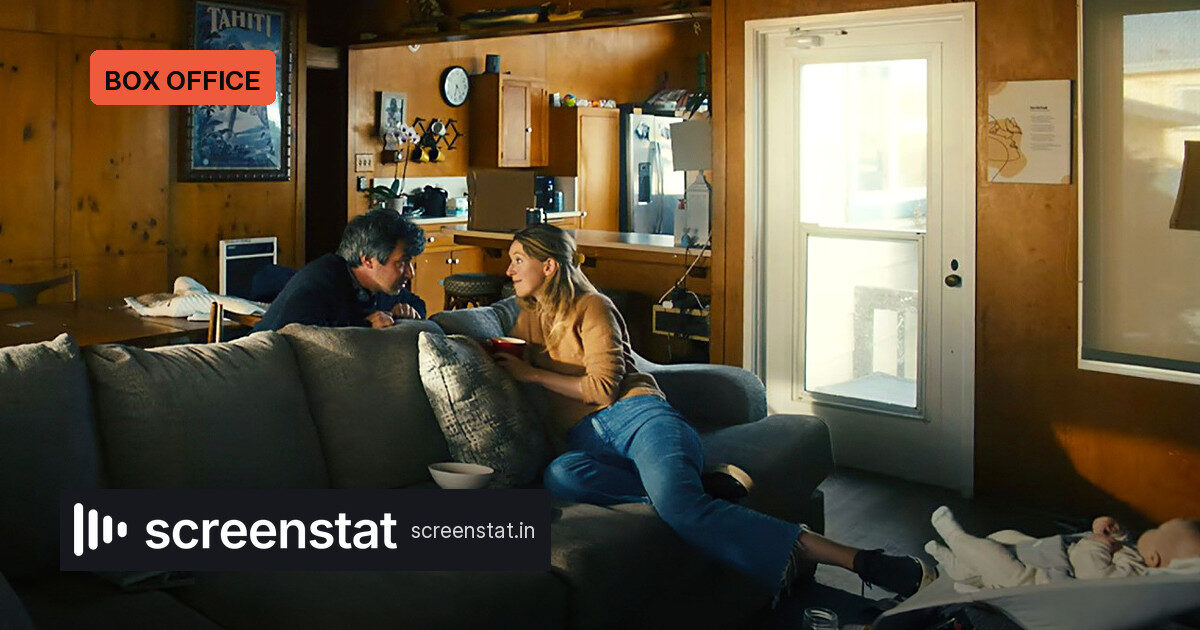
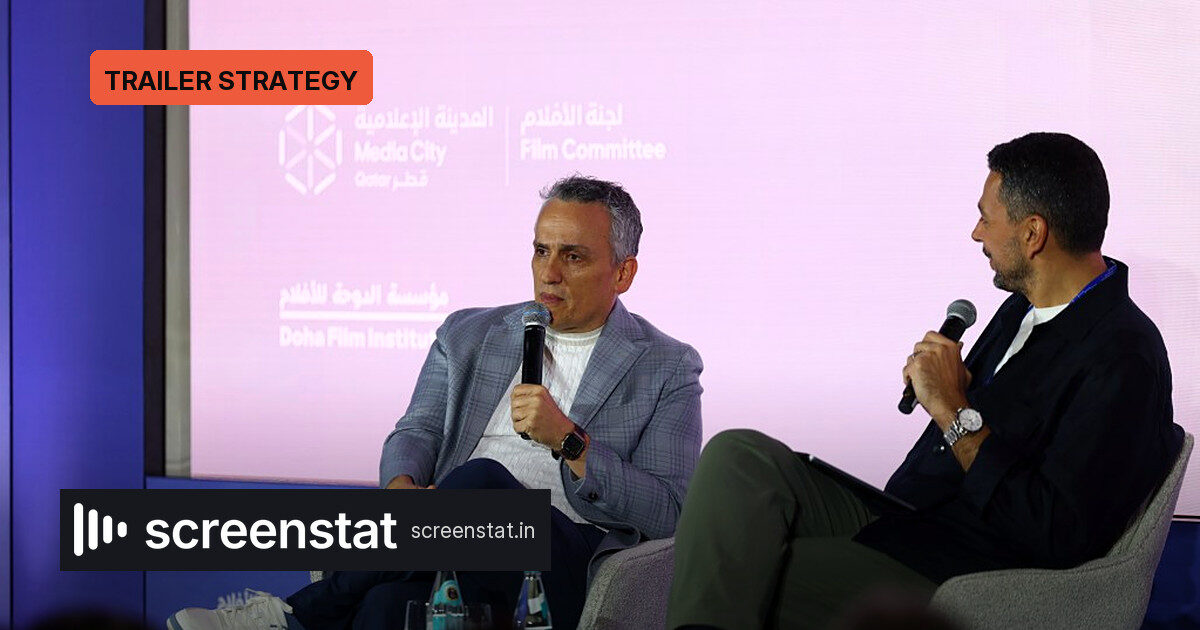
Joe Russo, who co-directs with Anthony Russo, explained the strategy at the Qatar Film Committee’s Doha Industry Days. The team started the story “a year early,” he said, dropping four character-led teasers before an official trailer arrived this summer. The first appeared December 23, 2025, showing Chris Evans’ Steve Rogers back home with a baby; later drops focused on Thor, the X-Men, and the Wakandans and Fantastic Four.
“We’ve done a series of tags around the characters because the story actually started in January of last year, and you’ve been watching it slowly unfold,” Russo said. “These are all pieces of something that are going to equal two and a half hours of your time on December 18.”
Disney has also scheduled a separate sneak peek during ABC’s Wonderful World of Disney: Holiday Spectacular on November 30.
The real product: audience data
Russo framed the teaser rhythm as a listening exercise as much as a promotion. “I have to interact with the fans in order to understand what is moving them, what is working for them,” he said. Because online conversation moves faster than it did around Infinity War and Endgame, each drop becomes a chance to see what audiences are tracking or misreading — and adjust.
That marks a shift in how a major theatrical release uses marketing. Instead of a fixed set of assets locked months ahead, the campaign operates as a feedback loop: release, observe, refine. The approach matters even more because the moviegoing and streaming balance has reversed in recent years, which Russo said forces studios to think like futurists.
What the team is watching
- Which character tags and clues fans share, decode or get wrong
- How conversation speed changes after each drop
- Whether emotional investment builds before the December 18 opening
The creative bet follows Robert Downey Jr.’s return as Doctor Doom — an idea Russo says began at dinner with Downey and only became a film when writer Steve McFeely pitched continuing from the end of Endgame. The premise, about whether a happy ending has a cost, gives the clue-based campaign a reason to unfold slowly.
Why it matters for media planners
For entertainment marketers, Doomsday is a high-profile case for treating trailers as modular, measurable research. A year-long campaign can justify the production spend only if every drop produces signals that guide the next. The takeaway is less about Marvel and more about the discipline: don’t just announce; observe what lands, and keep creative flexible enough to course-correct before opening weekend.