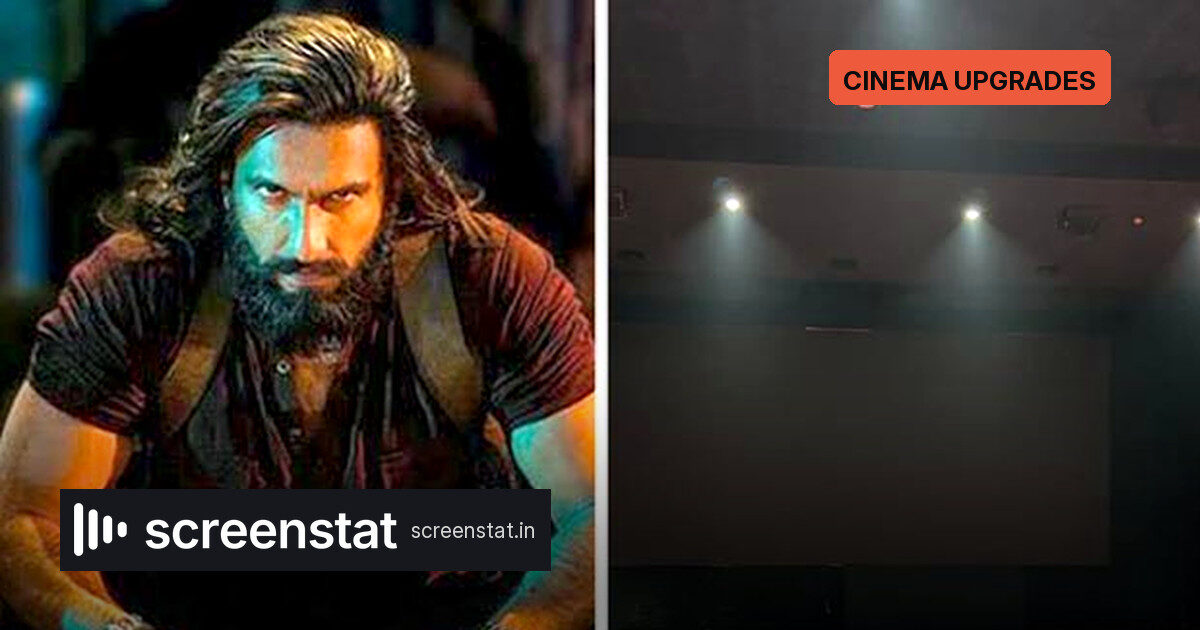
The 2026 box office isn’t just filling screens; it is rebuilding them. Dhurandhar The Revenge, produced by Jio Studios and B62 Studios, collected more than Rs 1,000 crore in India alone, a trade source told Bollywood Hungama. Unlike past windfalls, this one is already visible in the country’s projection booths.
A windfall no theatre owner expected
The sequel followed Dhurandhar (2025), an all-time grosser, so expectations were already high. The surprise was the shape of its success. “The ticket rates for it were hiked considerably and yet, it didn’t deter the audiences who flocked to the theatres in large numbers,” the source said, adding that the film “pulled in crowds in every theatre in every part of the country.”
That universal spread is the operative detail. A film that works in single-screens and multiplexes alike puts cash into every kind of exhibitor’s account. Many theatres used that liquidity to renovate around July-August, according to the source. Some reopened with Ramayana during Diwali; more are expected to resume operations within weeks.
The upgrade map
Mumbai has seen the sharpest wave of change:
- Roxy, SunCity, Jai Hind (Lalbaug) and Topiwala shut temporarily for renovations
- MovieTime Hub, Goregaon and MovieTime, Malad upgraded all screens to laser projection
- MovieMax, Andheri East moved to 2K projection, unlocking 3D and Hollywood releases; Ramayana became its first 3D film
- SunCity installed a Magnova LED screen, a Premium Large Format display from UFO Cinema Solutions, believed to be only the second in India after Kochi’s Magic Framez
- PVR Inox upgraded 150 screens nationwide to 3D to accommodate additional Ramayana shows, Mid-Day reported on November 6
- New Excelsior, South Mumbai, may also upgrade, trade circles say
Why it matters for the screen business
For media planners and entertainment marketers, this changes the premium inventory map. More laser, 2K and 3D-capable screens mean tentpole releases can be booked wider in higher-priced formats — and premium seats are exactly where exhibitors recover the cost of the upgrade. The trade source frames the shift bluntly: a premium cinema experience “is no longer a luxury. It’s a necessity,” as home viewing keeps improving.
The source was careful not to overstate the cause. “We are not saying that Dhurandhar The Revenge was the only reason or that every theatre in the country got renovated due to money generated from Dhurandhar. But it definitely played a huge role in many of the theatres.”
What to do about it
The lesson for exhibitors is straightforward: treat a blockbuster as a capital event, not just a revenue event. Reinvesting a windfall into screen quality compounds into future footfalls and higher ticket pricing. For distributors and marketers, the window to lock 3D and PLF screens is narrower than it used to be — the upgraded inventory is already being allocated around tentpoles like Ramayana. Plan premium formats into the release strategy early, not as an afterthought.
Source: bollywoodHungama.com