Amazon MGM and Skydance are promoting their November 13 theatrical releases the old-fashioned way: they are putting real cash in front of potential moviegoers and letting fans chase it.
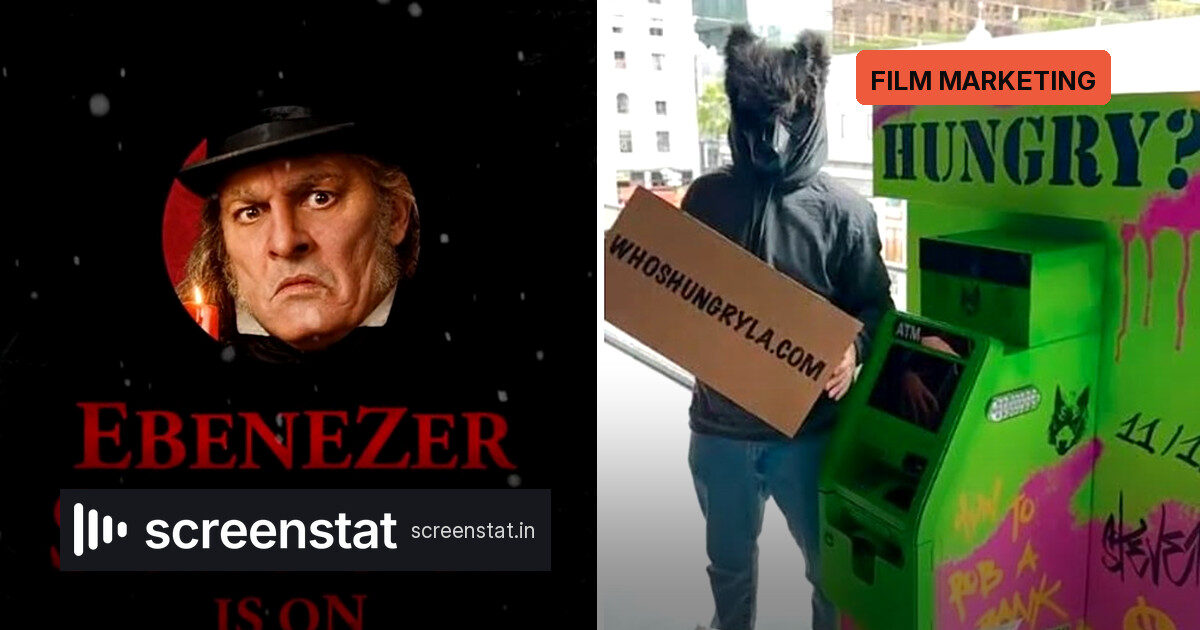
For How to Rob a Bank, Amazon MGM moved a branded ATM between Los Angeles multiplexes over four days. Social posts pointed followers to its location and a PIN, and anyone who found the machine could trigger a payout. Each ATM carried ten $100 bills and twenty $20 bills, a $1,400 prize pool per site, plus theater-supplied gift cards.
For Ebenezer, the team at Skydance ran an official Venmo account for the film’s miserly central character. Users could request funds, and the completed transactions visible on the account were one-cent payouts. The account stayed active for only a few hours, and Paramount’s Instagram teased followers to check back later. Aggregation accounts reported that the volume of requests crashed the page; Paramount declined to comment, and Venmo did not respond.
The numbers are tiny. The reach is not.
The interesting part for media planners is how little direct media spend these stunts require. Lionsgate reportedly gave away around $250,000 in April 2025 to get people to text a Times Square phone number for the Now You See Me threequel trailer. Amazon MGM’s ATM pool was $1,400 per location, and the Ebenezer Venmo account paid out pennies. Both produced the same kinds of fan posts and aggregation-account headlines.
How to Rob a Bank turned a physical ATM into a scavenger hunt that mirrored a heist premise. Ebenezer made the one-cent payout the joke. The cash was not the ad; it was the prompt for user-generated content, and the audience became the distribution channel.
There is also a hidden operational detail: the Venmo account received inbound payments from fans, and those funds were returned through private transactions. One Los Angeles fan who sent about $30 was refunded in full, received an extra penny, and was invited to a special New York screening.
What marketers should borrow
- Set a hard payout cap per location or account before launch.
- Tie the cash mechanic to the film’s premise, not to a generic sweepstakes.
- Plan for inbound payments and public refunds on peer-to-peer platforms.
- Measure fan posts and aggregation pickups rather than just venue traffic.
The lesson is not that every film should hand out money. It is that a tightly themed micro-budget stunt can generate attention that used to require a six-figure experiential drop. The prize pool is the hook; the fan response is the actual media buy.
Source: IndieWire