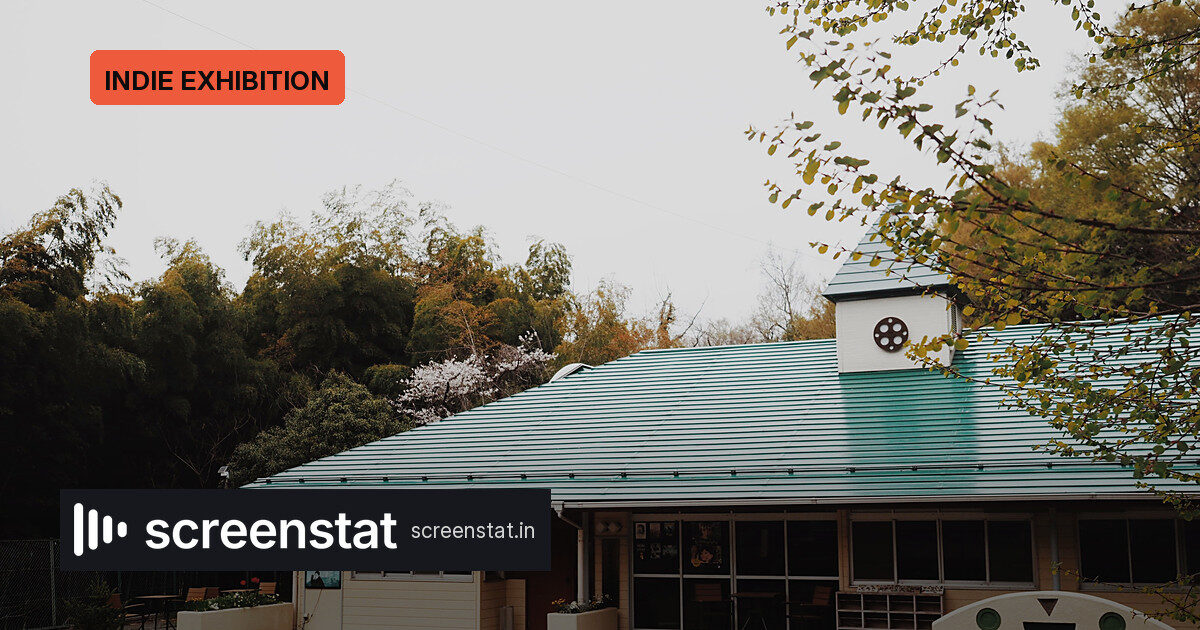
Matt Kelson spent about 11 years at Netflix, first on product artwork and later running festival screenings for Originals across APAC. After a round of regional cuts, he stayed in Japan and chose to build something deliberately small: a cinema in a former kindergarten in Uenohara City, Yamanashi Prefecture, about an hour west of Tokyo. The building had been empty for a decade. It is now a 43-seat venue with digital, 35mm and 16mm projection.
Pitching a screen as a neighbourhood asset
Kelson entered through city government introductions and then won a formal open call for the space. No other party applied, but the process still took about three months of meetings. The local residents’ council had to give unanimous consent, and Kelson says it took two sessions, partly because residents worried about traffic. The clinching argument was capacity: only 43 seats. A full year of renovation and consultation followed before Cineyama opened in spring.
Six months in, the small room is working
More than 3,000 people have visited so far, above Kelson’s own expectations. Uenohara is drawing young families away from Tokyo, so children’s titles have performed well; a recent Bluey film did “really well”, he says.
- 43 seats, with digital, 35mm and 16mm projection
- 3,000+ visitors in the first six months
- 160 admissions for a six-film Tarkovsky series in June
Kelson calls the current programming experimental: mostly international titles, because many Japanese cinemas have tilted toward domestic content, plus some independent Japanese films. That gap is the business insight for a small venue: offer a differentiated slate rather than trying to out-multiplex the multiplex.
What marketers should watch next
In the new year, Cineyama becomes a distributor. The first title is Les Blank’s Burden of Dreams, a documentary about Werner Herzog making Fitzcarraldo. It was never released in Japan; Kelson found the rights through Blank’s son. The plan is a local run first, then a rollout to smaller theatres nationwide.
For media planners and entertainment marketers, this is an early signal: a streaming-trained operator using community roots, focused programming and micro-capacity to build a brand that can expand from exhibition into distribution. Kelson’s takeaway is that the venue itself has to carry a story. “A box that’s just a cinema isn’t exciting for people anymore,” he says.
Source: Deadline