The microdrama land rush has a new entrant, and its content strategy is unusually disciplined: build the entire launch slate from novels nobody owns.
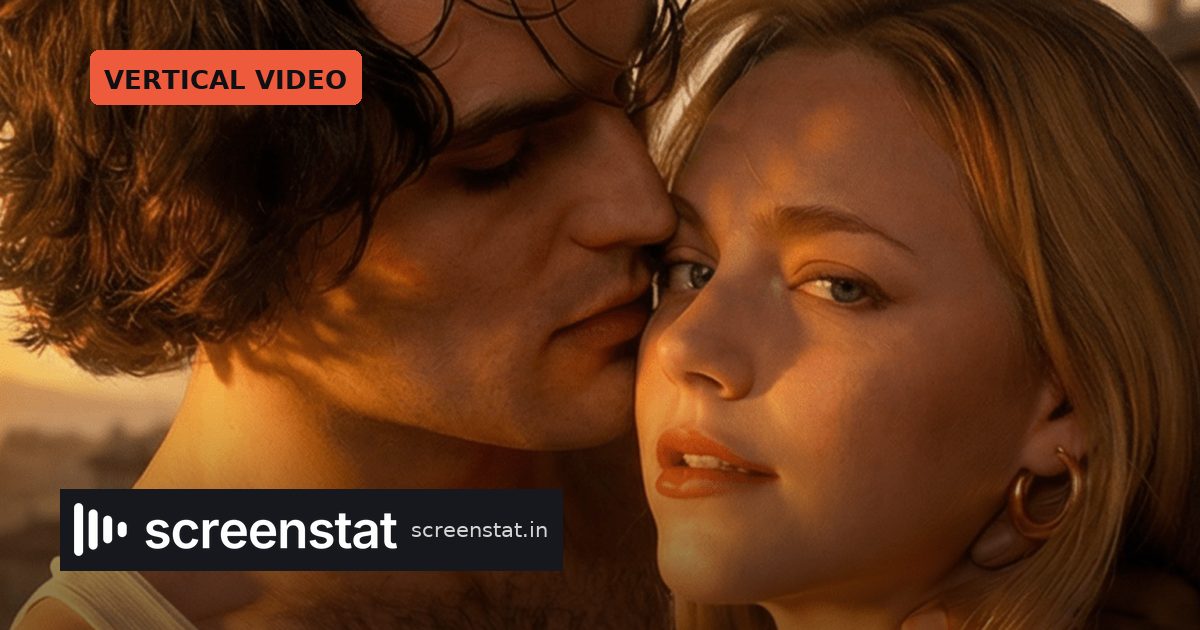
LoveHit, a Los Angeles-based vertical video studio and app, launches this month with a lineup drawn entirely from public-domain literary classics, according to Deadline. The debut titles are Wuthering Heights, Pride and Prejudice, Jane Eyre, The Great Gatsby and Beauty and the Beast. In post-production: Dangerous Liaisons, The Scarlett Letter and Les Mis\u00e9rables. A vertical cut of Wuthering Heights – relocated to a present-day American ranch – went live on the app on August 27 ahead of the full rollout.
The dual-format play is the real story
Every title has been written, shot and edited twice: as a vertical series of roughly 50 episodes running one to three minutes each, and as a 90-minute horizontal feature. The horizontal versions are being taken to MIPCOM in Cannes on October 12-15 for television and streaming buyers.
That is the part media buyers and content acquisition teams should note. Microdrama economics have so far depended almost entirely on in-app coin unlocks and paid user acquisition – a performance-marketing business wearing a studio’s clothes. Cutting a licensable feature from the same shoot day changes the unit economics: one production budget, two revenue lines, and a second window that does not require buying traffic.
CEO Lenny Levi told Deadline the team framed everything for both formats, with the vertical version built specifically for mobile and the horizontal version headed to Cannes, where he said buyers are already showing interest in romance. Levi also noted the entire slate was shot in Los Angeles with local cast and crew.
Why public domain matters more than the casting
The cast includes microdrama regulars Meg Bush, Tyler Harlow and Sophie Swiszcz, plus Academy Award nominee Eric Roberts in Jane Eyre, which stars Raina Silver and Harlow. Wuthering Heights stars Ethan Vaughan and Jean Evans.
But the sharper competitive advantage is rights cost. In a format where the biggest line item is user acquisition, not IP, starting from titles with zero licensing fees and near-universal name recognition is a margin decision as much as a creative one. As Levi put it, there isn’t a market in the world where these titles need much of an introduction.
The adaptations are aggressively modernised rather than reverent:
- Dangerous Liaisons becomes a Manhattan socialite hiring an anonymous scandal blogger to destroy her ex-fianc\u00e9’s reputation.
- The Scarlett Letter follows a woman who believes her husband died overseas, then falls for the young pastor helping her rebuild.
- Les Mis\u00e9rables moves to a college campus, with a student who loses everything and finds income behind a webcam – until she is recognised.
That is the trick: familiar titles as free marketing, contemporary hooks as retention. Search demand and recall come pre-loaded; the storytelling grammar is pure vertical.
A crowded few weeks in L.A.
LoveHit is privately financed, with Deadline reporting a group of investors behind its growth and content plans. Levi has more than 15 years across production, business affairs and international distribution, with stints at Sony Pictures Entertainment, CBS Television Studios, Paramount Television Studios and Riot Games, and involvement in building Squad.App, an AI-powered influencer marketing platform.
The launch lands less than a week after aTwist, run by three former network executives, debuted on September 3 with titles including Buried Alive, Hollywood Starlet, My Billionaire Kidney and I Swiped Right on a Serial Killer. aTwist also has a production partnership with Kevin Hart’s Hartbeat, a deal with BET, and a microdrama from The Bold and the Beautiful creative chief Bradley Bell.
What to watch
For Indian streamers and studios weighing vertical plays, LoveHit is a useful template. Public-domain source material, dual-format shooting and a festival-market sales window together de-risk a format that has so far been judged only on cost-per-install. The number to track is not downloads at launch – it is how many horizontal features actually sell at MIPCOM. If the second window converts, the microdrama business stops being a marketing arbitrage and starts looking like a studio.
Source: Deadline