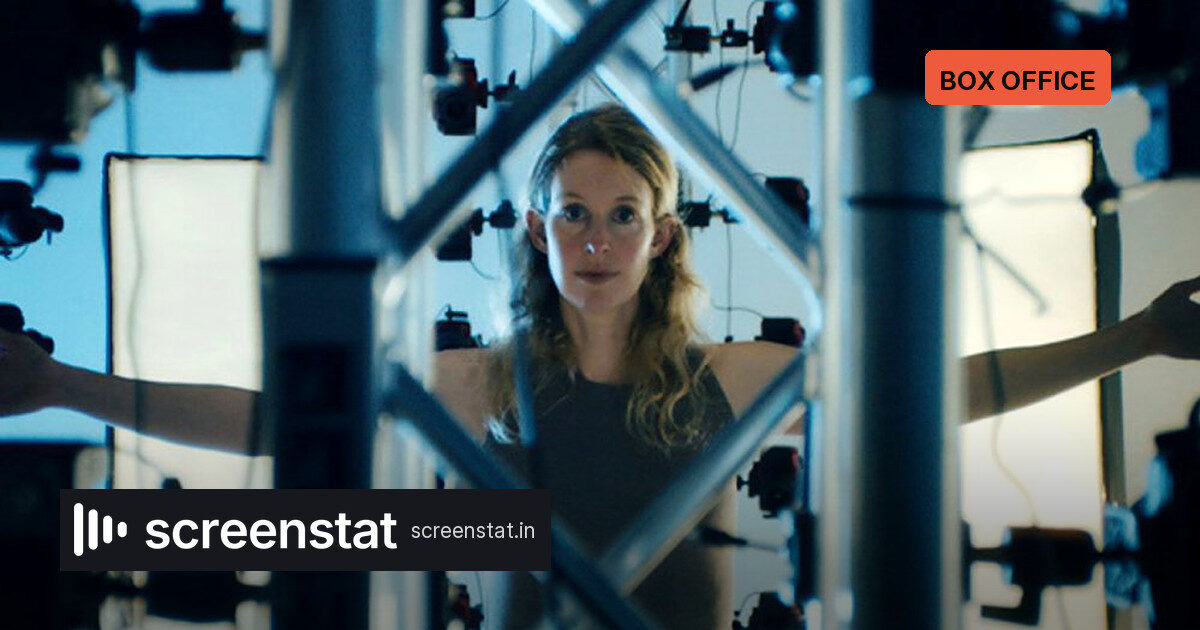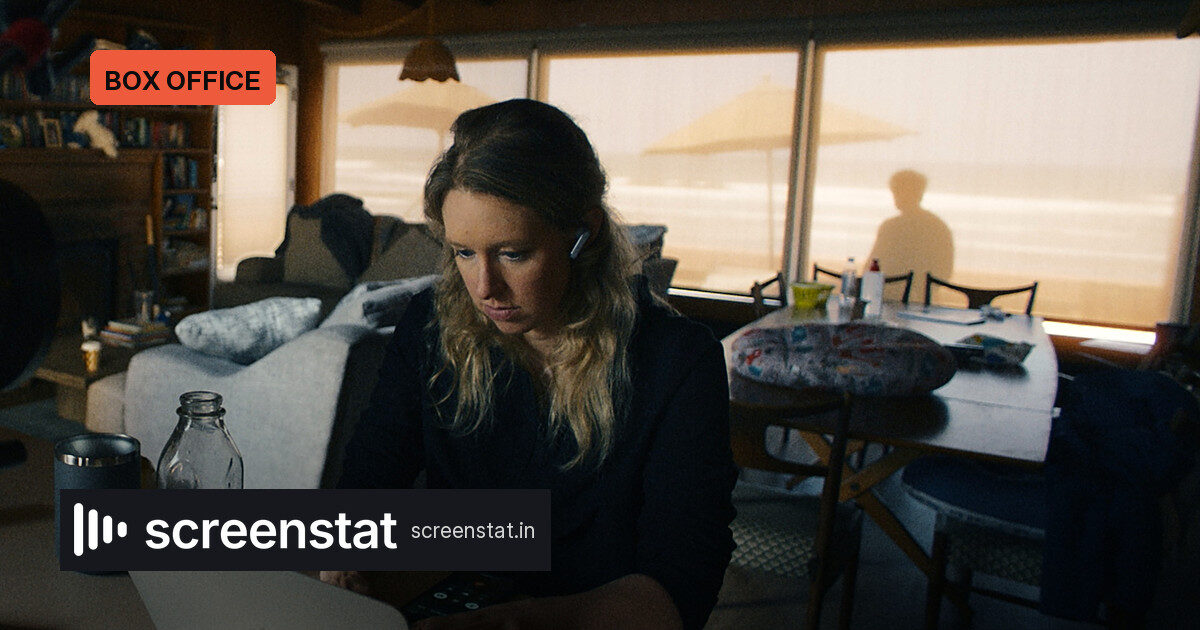
A24’s three-hour documentary about Theranos founder Elizabeth Holmes is doing something most films, fiction or otherwise, cannot: it earned more in its second weekend than its first.
“You Can See Everything” grossed $19.5 million in its sophomore frame, up 25 percent from the $15.6 million it collected on opening weekend. The jump came after A24 widened the release from 855 screens to 2,655 locations, so the headline is as much about scale as word of mouth. Even so, a non-fiction title growing its weekend gross is rare.
The math behind the run
Produced for $7 million, the film has now taken in $45.1 million. That puts it on track to become one of the most successful documentaries ever released. For context, Michael Moore’s Fahrenheit 9/11 remains the all-time non-fiction leader with just over $222 million.
It has already cleared 2026’s prior documentary high-water mark, Melania, which grossed $16.3 million. The contrast there is instructive: Amazon MGM paid $40 million for rights to that film, while A24’s $7 million production has returned several times its cost.
Why marketers should pay attention
A24 did not market this as a customary specialty release. It kept details under wraps and framed the film as a spoiler-sensitive event, making a ticket feel like the only way to see the story before conversations gave it away. The result: a three-hour non-fiction feature playing like a commercial movie.
- Second-weekend gross: $19.5 million, a 25% lift from opening.
- Total cume: $45.1 million against a $7 million budget.
- All-time documentary benchmark: $222 million for Fahrenheit 9/11; the year’s prior doc leader Melania at $16.3 million.
The bigger picture
Whether the film becomes an Oscar player is still an open question. What is clearer is that this extends a strong theatrical streak for A24, which earlier this year released Backrooms, a $400 million global blockbuster, alongside titles such as Primetime and The Drama. Across that slate, the studio has repeatedly argued that audiences will buy tickets to more than superhero sequels.
For media planners and entertainment marketers, the takeaway is straightforward: non-fiction with a strong cultural hook can be positioned as a wide, urgent theatrical event. The risk is in paying blockbuster-level rights before demand is proven.
Source: IndieWire