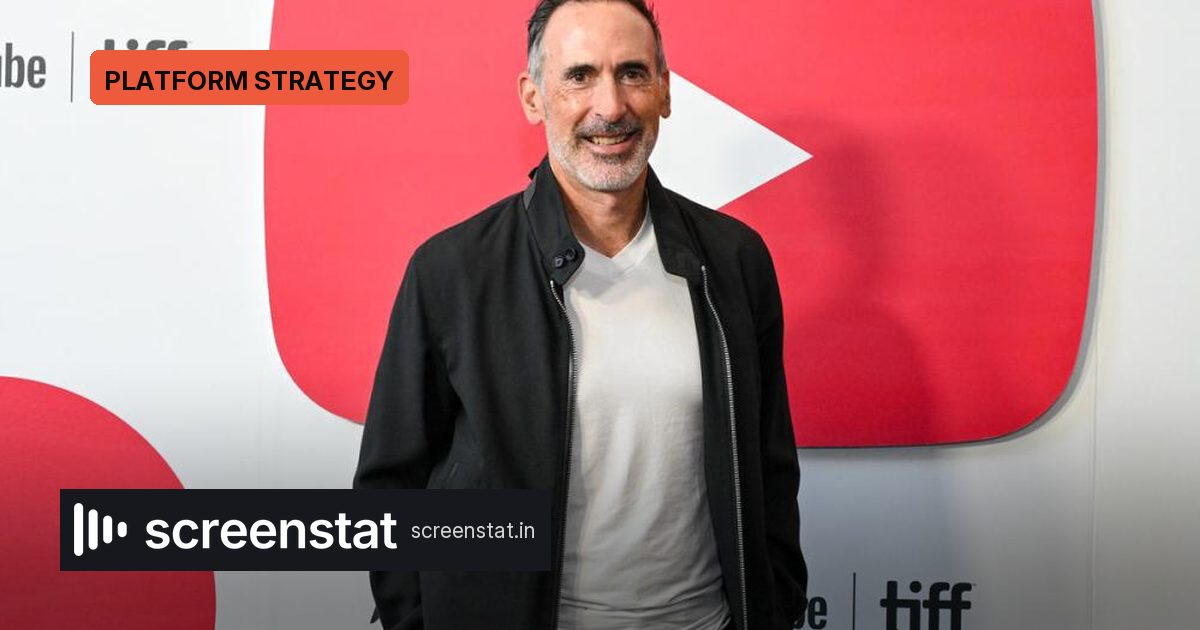
Toronto’s festival circuit is no longer treating YouTube as an outsider. The horror indie Obsession sold out at TIFF, pushed digital creator Curry Barker into the auteur conversation and put star Inde Navarrette into awards talk. This year, Variety, YouTube and TIFF turned that momentum into a formal creators summit, with Google’s Americas ad sales chief Sean Downey making the platform’s pitch to brand buyers.
The festival proof point
For Downey, Obsession is the cleanest example of YouTube’s influence on legacy entertainment. It began on the platform, crossed into a major festival and now generates traditional awards chatter. That path matters for advertisers more than any single metric.
Downey told Variety that the advertising community has known for years that YouTube is the future of entertainment. The current conversation, he said, is less about whether YouTube is premium and more about how a brand can work with a creator without turning the content into a billboard.
Creators are not influencers
Downey draws a hard line between YouTube creators and the influencer economy. Creators, in his framing, build communities through back-and-forth engagement and long-form storytelling over time. Influencer-style posts, by contrast, are shorter, more transactional and easier for audiences to scroll past.
“Creators are different than influencers.”
That distinction is becoming more relevant for media buyers. As traditional personality-driven brand deals show signs of softening, the opportunity shifts toward creators who can sustain a narrative, respond to their audience and make a brand part of an ongoing relationship rather than a one-off mention.
A 2029 Oscars ad strategy
Google is already framing its first Academy Awards broadcast on YouTube in 2029 as more than a telecast. Downey pointed to the NFL, the World Cup and Coachella as the template: live moments that generate commentary, creator content, brand partnerships and long-tail viewing.
- In-event ad inventory around the show itself
- Creator integrations tied to talent, fashion and awards prognostication
- Adjacent content that extends the event into a week-long or multi-week campaign
- Branded material that remains on YouTube and keeps accumulating views after the telecast
“We love live events that have culture,” Downey said. “The Oscars are no different.” In his view, the awards show is not just a three-hour broadcast but an ecosystem of culture, community and stories that can live on YouTube before, during and after the ceremony.
Why this matters for buyers
For media planners and entertainment marketers, the message is that YouTube is selling a surround-sound package rather than a standard spot buy. The value proposition includes reach in the moment, creator-led relevance and an evergreen content library that outlasts the event.
The challenge will be measurement and fit: brands will need to identify the right creator communities, set clear roles for event sponsorship versus creator integration, and define what success looks like beyond a single live telecast. The Oscars move gives YouTube a major test case for exactly that.
Source: Variety