YouTube has passed on the US television rights auction for the 2030 FIFA World Cup, stepping out of a contest FIFA had hoped would reach $4 billion for the 2030 and 2034 tournaments combined. The platform did not submit an offer before Thursday’s deadline, and no reason was given.
The exit cuts the field of known bidders to three: Fox, Netflix and Amazon’s Prime Video. That matters less because YouTube lacked sports rights experience and more because FIFA’s negotiating leverage depends on the number of credible wallets at the table.
Who is in, who is out
- In: Fox, in a joint English- and Spanish-language offer with TelevisaUnivision; Netflix; and Prime Video, with separate bids.
- Out: YouTube, Disney’s ESPN, Apple and Paramount Skydance.
NBCUniversal’s Telemundo, which carried Spanish-language coverage of the 2026 tournament, also declined to bid. The number of exits is the real headline: several large media companies have chosen to sit out an event FIFA has been pitching on the back of historic US demand.
A record 2026, a tougher 2030
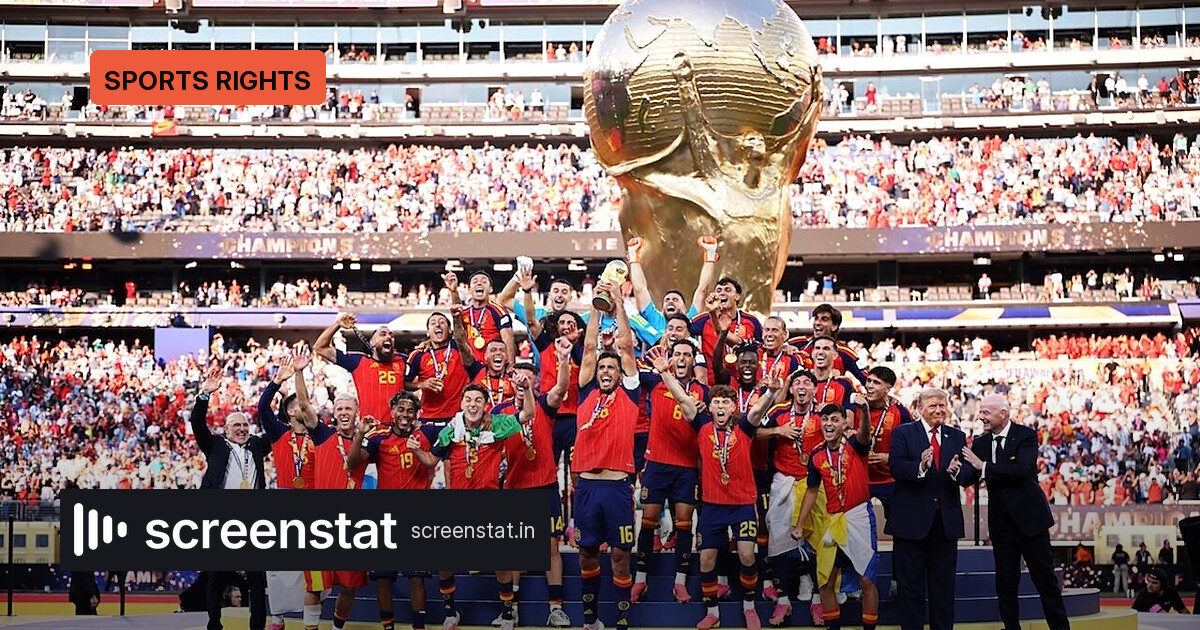
The demand story is real. FIFA’s official figures put the 2026 World Cup average at 13.5 million US viewers per match across television and streaming, up 166% from 2022. The final drew 63 million viewers, making it the most-watched soccer match in US history.
But buyers are not bidding on 2026. They are bidding on 2030 and 2034, and the next two editions carry a geography problem. The 2030 tournament will be played primarily in Morocco, Portugal and Spain. Saudi Arabia hosts in 2034. Both put live kickoffs far outside the primetime windows that made the North American 2026 tournament so advertiser-friendly.
For media planners, that distinction is the whole game. A 63 million final is partly a scheduling outcome: the US audience could tune in at a convenient hour. An early-morning or midday kickoff resets the reach ceiling, the ad-load premium and the sponsorship value, however strong the underlying fandom.
What this does to pricing
Live sports rights usually get priced on simple logic: audience reach times scarcity times the premium of a must-have cultural moment. The 2026 numbers prove the cultural moment exists. The 2030 and 2034 time zones discount the reach, forcing FIFA and bidders to argue over what a daytime World Cup is truly worth to US advertisers and subscription platforms.
Fewer bidders removes the upward pressure FIFA would normally create by playing Fox, Netflix and Amazon off one another. That could mean a lower final number for the governing body, or it could concentrate the package with a buyer that can monetize global scale, local-language rights or ad-supported reach.
The next signal to watch is whether any single partner tries to lock down both the English- and Spanish-language rights, and whether a streamer builds an advertising tier around a tournament whose US windows will land during work hours.