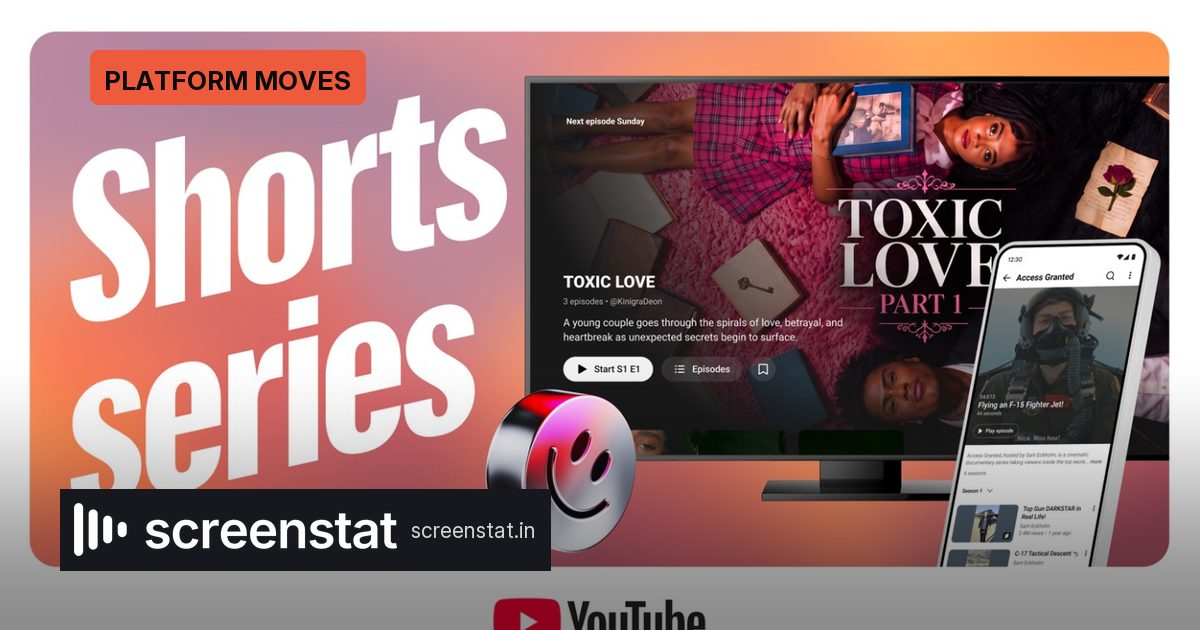
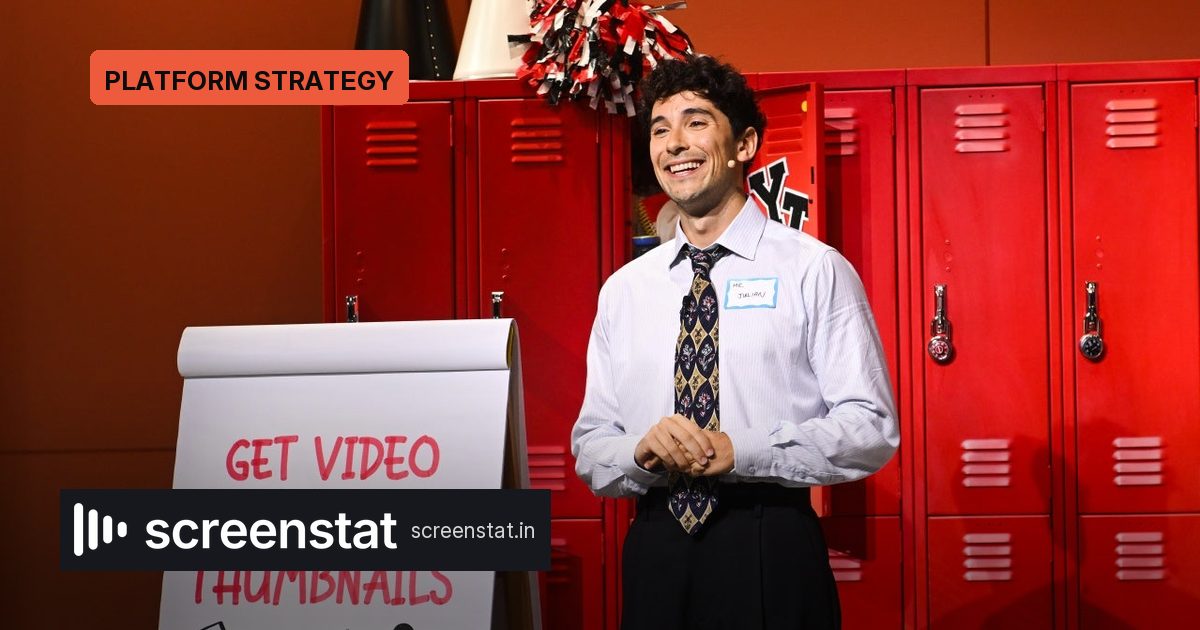
YouTube’s annual Made on event in New York was never really about becoming “the next Hollywood.” The platform’s 2026 showcase made a more practical pitch: it wants to absorb the tools that creators currently spread across Twitch, Patreon, TikTok, podcast apps and linear TV.
A product wave aimed at consolidation
The event brought auto-dubbing for livestreams, more advanced AI editing tools, and the ability for living-room viewers to leave comments from a remote. Since the start of the year, YouTube says it has shipped more than 3,000 product updates and improvements.
The direction shows up in the details:
- Live tools: fan funding and Watch With compete more directly with Twitch.
- Memberships: Channel Memberships operate like a Patreon-style audience relationship.
- Commerce: YouTube Shopping is set to expand to 35 countries by the end of the year.
- Distribution: YouTube Posts land in subscriber feeds like a targeted social update.
Why the scale matters
Shorts now accounts for more than 200 billion views per day globally. YouTube says it is the No. 1 podcasting platform in the U.S. and, per Nielsen data cited at the event, the most-watched TV platform for the past three years. For media buyers, that changes YouTube from a “creator video” line item into a reach vehicle that spans shortform, audio and the living room.
“[YouTube] is the only platform where you can produce every kind of content — shortform, live, longform — and you can watch it on any device,” Amjad Hanif, vice president of Creator Products at YouTube, said after the presentation.
Back catalogs become ad inventory
Dynamic brand segments, launched last year, let creators place current brand ads in older videos. The program has expanded from about 10 creators to more than 1,000. That gives creators a reason to keep library content on YouTube rather than packaging it to Tubi or Netflix purely for monetization.
“Our ultimate vision is to leverage our unmatched catalog to build a truly multi-format experience, where everything is seamlessly connected because we know that a viewer’s appetite changes depending on the hour. Their feed should reflect that,” Neal Mohan, CEO of YouTube, said at the start of the presentation.
What to do about it
Treat YouTube as a planning surface rather than a single channel. Map creator campaigns across shortform, longform, live and audio, and ask whether existing video libraries can be activated with dynamic brand segments. For entertainment marketers, YouTube’s living-room and podcast reach means creator budgets should be compared against streaming and TV budgets, not just social budgets.
The same signals echo across the creator market: SiriusXM paid a reported $160 million for the “Giggly Squad” podcast, Disney signed the Like Nastya channel to a development deal, and “SNL” added digital-native cast members. Creator inventory is being priced as premium, multi-platform IP.
Source: TheWrap