
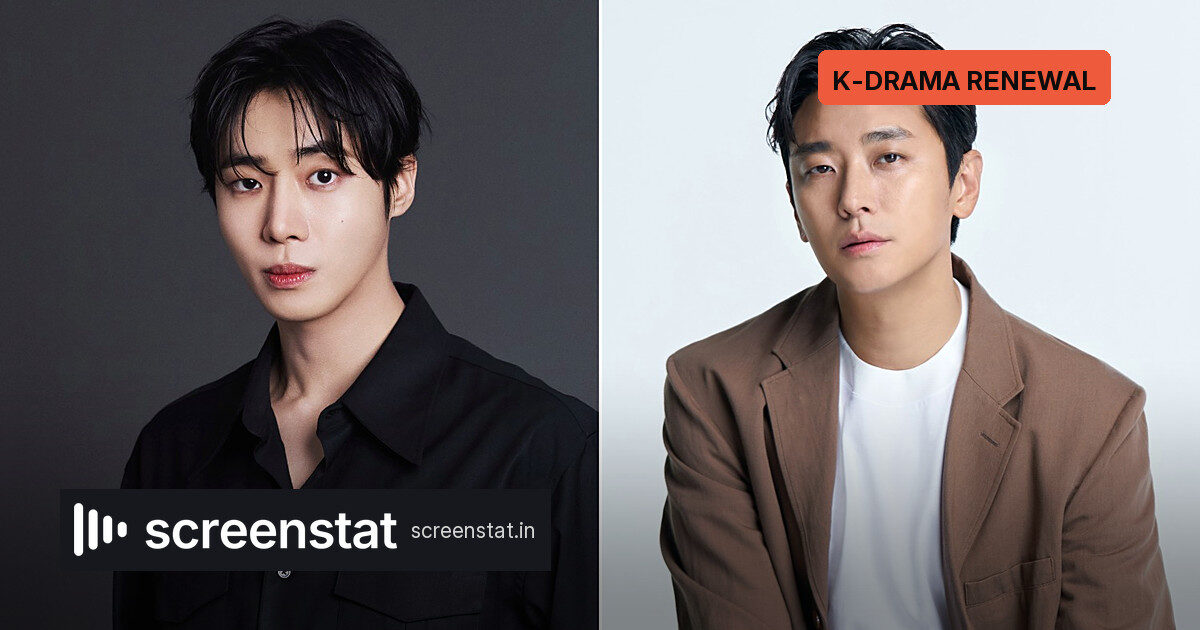
Netflix is turning a K-drama breakout into a multi-season franchise. The Trauma Code: Heroes on Call has gone into production on Seasons 2 and 3, with leads Ju Ji-hoon and Choo Young-woo returning and director Lee Do-yun again writing and directing.
The announcement follows a first season that reached Netflix’s Top 10 lists in 63 countries and took the number-one spot in 18 markets. For a Korean-language medical series, that is not a niche export; it is a broad international footprint that puts the show into the same conversation as returning English-language procedurals. It is the kind of result that turns a webtoon adaptation into a standing franchise.
The numbers behind the renewal
Netflix is not ordering a single victory lap. It is putting two more runs into production at the same time, which changes both the economics and the marketing window around the title.
- 63 countries — Season 1 appeared in Netflix’s Top 10 lists last year.
- 18 markets — the series topped the chart in those countries.
- 2 seasons — the new production order, not a one-season test.
Why a two-season commitment matters
A multi-season order is a stronger signal than a renewal. It locks the leads and director for a longer horizon, keeps the production engine warm, and lets Netflix amortize sets, costumes and creative development across more episodes. For advertisers, sponsors and platform partners, it creates a franchise window rather than a single release spike.
The planning takeaway is to weigh market breadth alongside total hours viewed. A non-English title that appears across dozens of country charts can sustain audience interest through multiple release cycles, which changes how you think about sponsorship packages and campaign timing.
What changes on screen
The returning ensemble includes Baek Kang-hyuk, Yang Jae-won and Han Yu-rim, who has moved from early opponent to trusted partner and chief of planning and coordination at Hankuk National University Hospital. Park Gyeong-won and Jeong Ye-in join after what the production describes as a “rigorous audition process.”
Studio N and Mays Entertainment remain attached as co-producers, and the series is still based on the webtoon Trauma Center: Golden Hour.
The bigger picture
Netflix has long used Korean originals as a global subscriber lever, but renewals have not been automatic. A two-season confirmation suggests the platform’s internal data is strong enough to justify an upfront bet rather than waiting for Season 2 to prove itself all over again. The medical procedural format helps: contained cases can travel across markets without heavy cultural recalibration. That breadth also gives buyers a clearer renewal metric: if a title travels this widely, a single-season order starts to look conservative.
The metric to watch now is whether Seasons 2 and 3 hold the 63-country footprint. If they do, more non-English franchises could move from cautious single-season tests to upfront multi-season commitments.
Source: Deadline