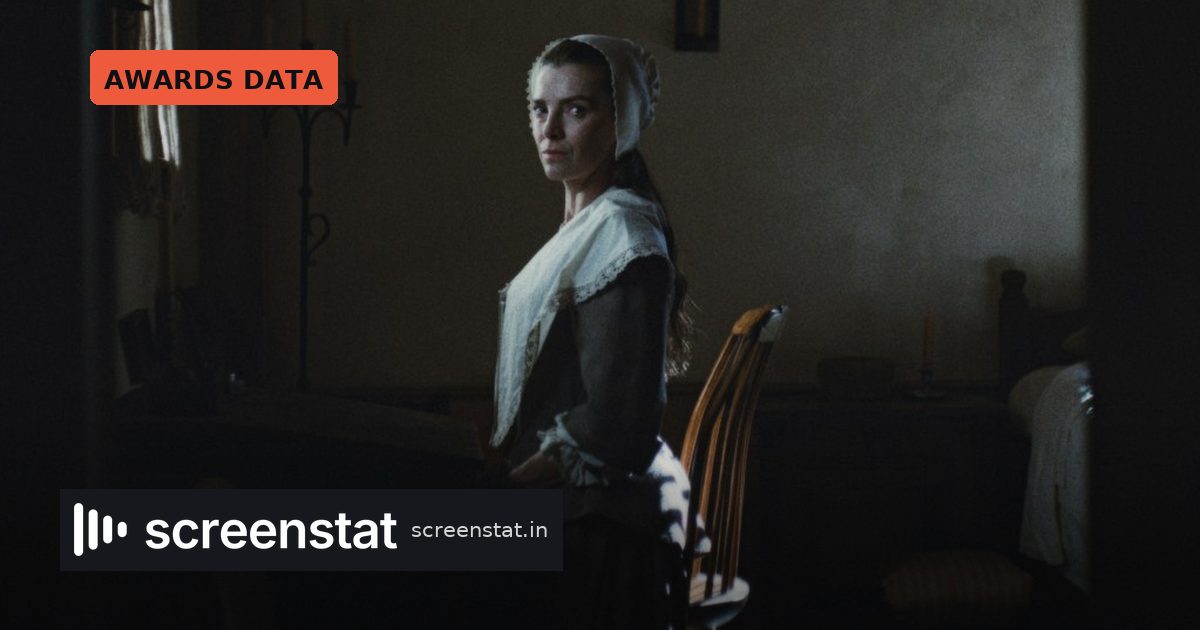
Apple TV’s horror comedy Widow’s Bay walked out of the Creative Arts weekend with the biggest number on the board: eight wins, more than any other programme heading into the main Emmy telecast on September 14.
The headline moment came on Night 2, when Betty Gilpin won Guest Actress in a Comedy Series for playing Sarah Westcott Warren, the 18th-century figure at the centre of the show’s flashback episode “Our History.” Gilpin accepted by reading a poem off her phone, closing with a line urging artists to “lean towards Sam Shepard, and less toward Sam Altman” — a jab at generative AI that drew cheers at the Peacock Theater.
Why an eight-win Creative Arts haul matters
Creative Arts Emmys rarely move the consumer needle on their own. Craft categories, guest performances and technical awards are not what makes a subscriber open an app. But they matter commercially for three reasons.
- Momentum pricing. A show that leads the field before the main telecast gets a week of free editorial coverage — the cheapest reach any streamer can buy in September.
- Talent supply. Craft wins signal to showrunners, directors and department heads that a platform’s productions get finished properly and campaigned properly. That shapes who takes the next pitch meeting.
- Catalogue durability. Awards metadata keeps a title surfacing in recommendation rows and search long after its release window closes, which is where the real watch-hours accumulate.
The Hacks handoff
Gilpin’s category was the first head-to-head between this year’s two comedy frontrunners: the newcomer Widow’s Bay and HBO Max’s departing Hacks, whose Kaitlin Olson led most predictions. Gilpin was widely seen as the runner-up and won anyway.
That result is worth watching for anyone modelling comedy prestige over the next two years. Hacks has been an anchor asset for HBO Max in the category; it is on its way out. Whoever inherits the comedy Emmy lane inherits a reliable annual publicity cycle. An upset in a guest category is thin evidence on its own, but it is the kind of early signal that voting-bloc watchers track.
What it says about Apple’s model
Apple has never competed on library size. Its play has been a small slate of expensively made, heavily campaigned originals designed to make the service feel premium rather than comprehensive. A single new title topping the Emmy leaderboard in its first eligibility year is exactly the outcome that strategy is built to produce.
For media planners, the practical read is simple: Apple’s awards-season titles behave like tentpoles, with concentrated attention spikes rather than a long tail of steady chatter. Plan campaign adjacency around the telecast window, not the release date.
The AI line was not incidental
Gilpin’s Shepard-versus-Altman closer landed with the room, and that is the data point. Awards stages have become a reliable barometer of where creative labour sentiment sits on generative AI, and applause in the Peacock Theater is a reasonable proxy for how the talent pool will react to AI-forward production announcements. Brands and platforms planning AI-assisted marketing around prestige content should price that reaction in.
The prep story worth stealing
Backstage, Gilpin said she wrote the poem only after co-nominee Hamish Linklater — who plays her husband on the show, and was nominated in the guest actor race — cornered her on their flight and told her to prepare something because winning was, in her recounting, “a scientific possibility.” She described what she produced as a “quick manic poem.”
It was Gilpin’s fourth Emmy nomination, after three for Netflix’s GLOW, and her first win.
Source: Deadline