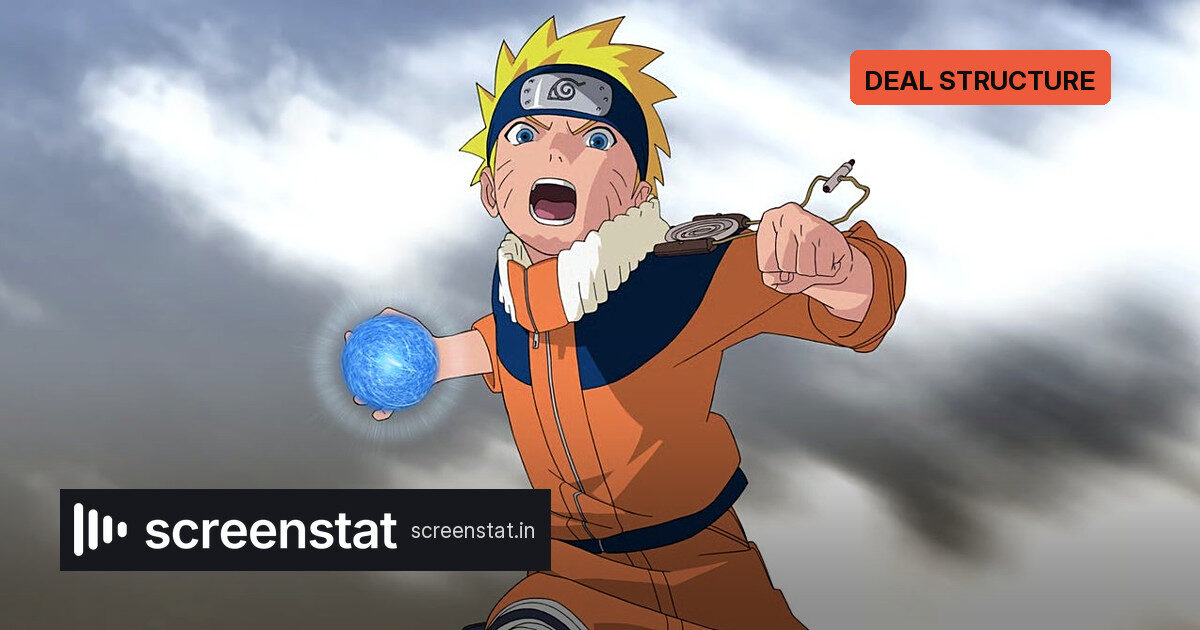
The live-action “Naruto” film now has two studios splitting the world. Sony Pictures is joining Lionsgate to co-finance the project and handle international distribution, while Lionsgate keeps domestic distribution and development, the partners said Tuesday.
Why the deal was struck
Destin Daniel Cretton, who is coming off “Spider-Man: Brand New Day” at $2.52 billion worldwide for Sony and Marvel Studios, will write, direct and produce. Production is expected to begin in spring 2027 after a competitive multi-studio bidding war.
The rights split is simple:
- Sony Pictures: co-financing and international distribution.
- Lionsgate: development, production and domestic distribution.
- Cretton: writer, director and producer.
The numbers behind the fanbase
“Naruto” is not a niche anime license. The original manga has sold more than 250 million copies, and the anime adaptation has reached audiences in more than 145 countries and territories. The brand spans series, games and merchandise, and the partners call it a multi-billion-dollar property.
That scale is the real story for film-business readers. A two-studio structure lowers production risk on a costly live-action adaptation, while splitting distribution lets each partner own the territory it knows best. For Sony, the move also keeps a proven director in its orbit after “Spider-Man: Brand New Day.”
Co-financing is a standard risk-management tool: a partner takes a share of production cost in exchange for distribution in specified territories. Lionsgate preserves capital while gaining Sony’s international network, and Sony adds a title with built-in awareness to its international slate.
What the executives are saying
Lionsgate Motion Picture Group chair Adam Fogelson called “Naruto” a “global phenomenon with a passionate fanbase and enormous potential as a theatrical event.” Sony Pictures Motion Picture Group CEO Tom Rothman pointed to the studio’s belief in manga and anime and its recent success with Cretton.
Cretton said he has been a longtime fan of the material and wants to capture everything fans love while introducing the story to a new generation. The parties did not announce a release date.
What media teams should watch
The production start in spring 2027 gives entertainment marketers a long runway. The more important question is positioning: will the campaign lead with the existing anime and manga fanbase, or pitch “Naruto” as a mainstream theatrical event first? The source quotes suggest both instincts are already in play.
For media planners, the early signal is that this will be treated as a theatrical event, not a streaming-first anime title. The partners repeatedly use “theatrical event” and “global cinematic event” language, which matters for campaign budgets and release-window expectations. Teams selling against this should start mapping where Naruto fan communities are most active before casting and first-look assets arrive.
Source: TheWrap